Niapept
Discover Niapept, a rejuvenation cream with argireline. Read our editorial review on its ingredients, manufacturer claims, and what to expect.
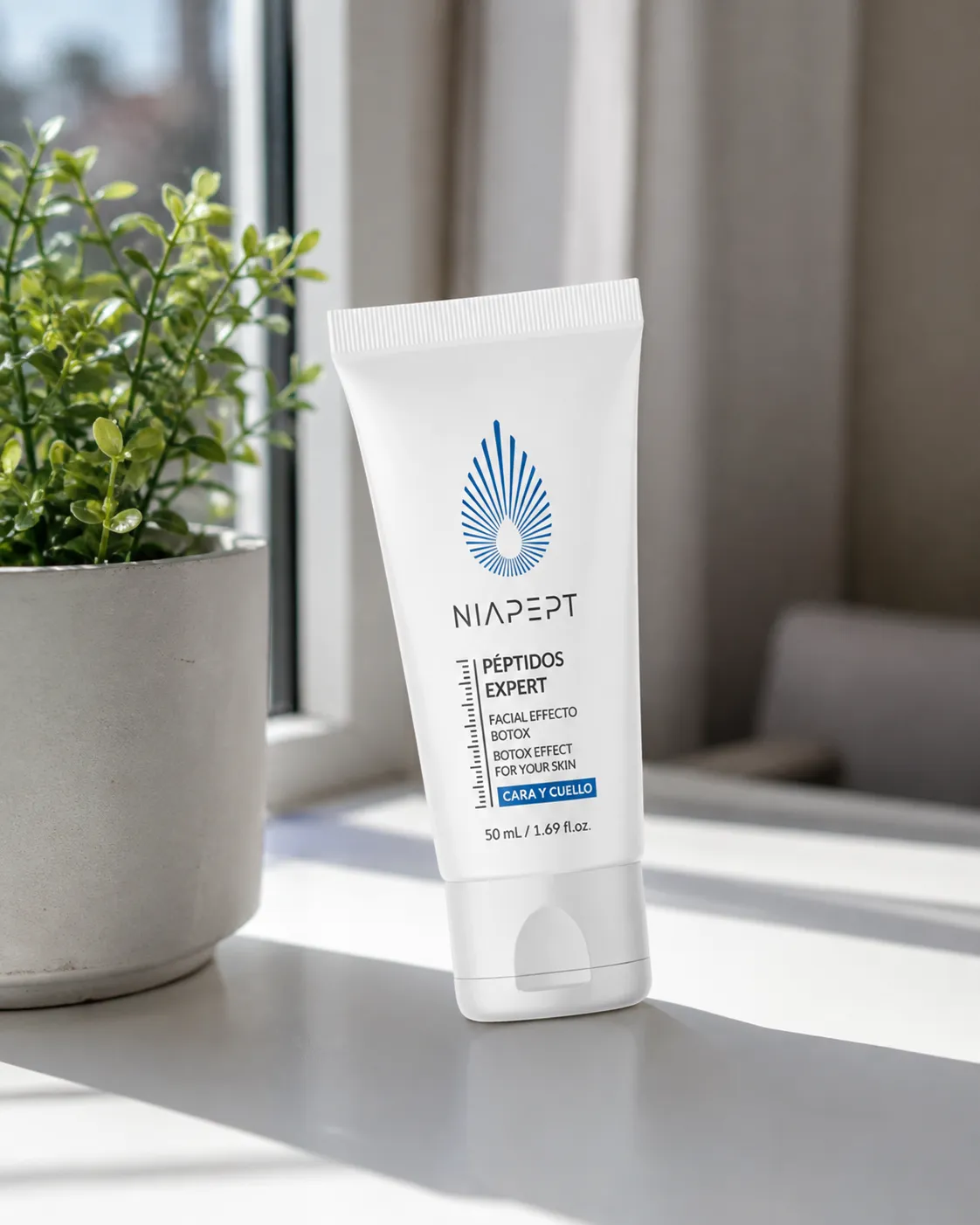
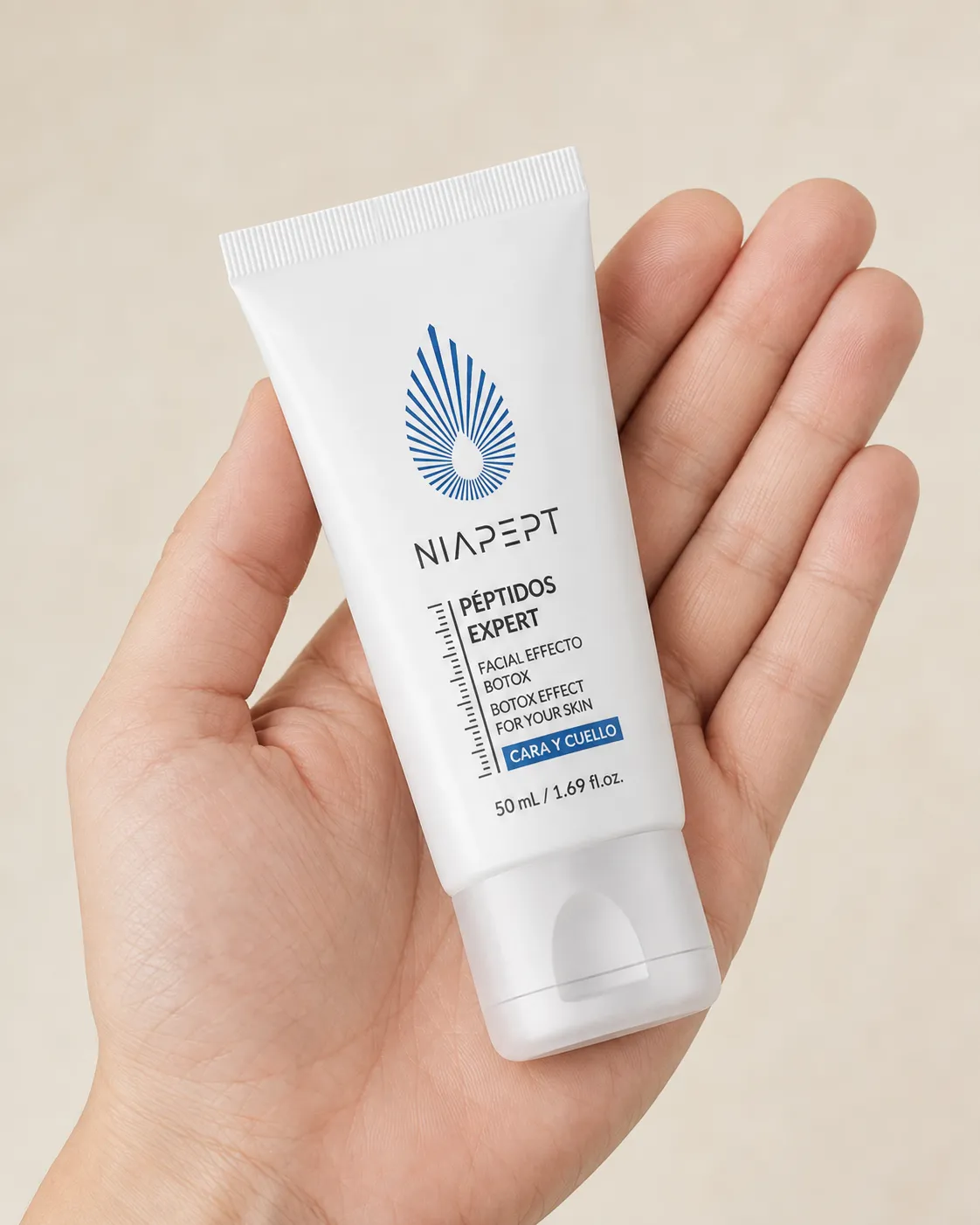
Niapept is a topical cream formulated for individuals seeking cosmetic rejuvenation and skin firming. According to the manufacturer, this product is designed to target the appearance of wrinkles and support a more youthful facial aesthetic. It is marketed as an alternative to invasive procedures, though consumers should note that this is a cosmetic product and not a medical treatment.
Strengths
- Contains well-known cosmetic ingredients like hyaluronic acid and niacinamide.
- Offers a non-invasive topical approach compared to cosmetic injections.
Weaknesses
- Ingredient amounts and specific concentrations are not disclosed.
- Efficacy claims come entirely from the manufacturer without provided independent clinical studies on this specific product.
- Cannot replicate the exact physiological effects of medical procedures like Botox injections.
- No independent third-party testing data is provided regarding the final formulation.
Our assessment
«According to the manufacturer, Niapept reduces the appearance of wrinkles on the face.» — Manufacturer statement
When evaluating Niapept, it is crucial to separate the manufacturer's marketing claims from realistic cosmetic outcomes. The manufacturer's headline dramatically asks why a face might look younger at fifty-five than at thirty-eight, suggesting significant age-reversing capabilities. However, according to the manufacturer, the cream relies on ingredients like Argireline to mimic the effects of Botox. While Argireline is indeed discussed in dermatological literature for its mild, temporary wrinkle-relaxing properties, a topical cream cannot penetrate the skin deeply enough to paralyze facial muscles in the exact same manner as injectable medical neurotoxins. Therefore, expectations regarding a true Botox-like effect should be heavily moderated by consumers.
The inclusion of niacinamide and hyaluronic acid provides a solid, well-known foundation for general skin hydration and barrier support. These substances are widely recognized for their ability to temporarily plump the skin and improve overall texture, which can indirectly make fine lines appear less prominent to the naked eye. Nevertheless, consumers must remember that Niapept is a cosmetic product. As a general rule for health products, a food supplement is not a medicine — and similarly, a topical cosmetic cream is not a medical treatment. It cannot replace medical dermatology, surgical interventions, or prescription-grade retinoids designed to alter the skin's fundamental structure.
Furthermore, the lack of disclosed ingredient concentrations makes it difficult to assess the true potency of the formula. Because the exact amounts of the active peptides and hydrating agents are not disclosed, the product's efficacy relies entirely on the manufacturer's internal formulation standards. Without independent clinical trials verifying the final product's performance, users should approach Niapept as a supportive addition to a broader, consistent skincare routine rather than a standalone miracle solution for the natural aging process.
Composition
- Argireline (peptide)
- Niacinamide
- Hyaluronic acid
- Argireline (peptide)Argireline is a synthetic peptide commonly used in cosmetic formulations for its generally known ability to temporarily reduce the appearance of dynamic wrinkles by interfering with muscle movement signals.
- NiacinamideNiacinamide, also known as vitamin B3, is widely recognized in skincare for its potential to support the skin barrier, improve hydration, and help even out skin tone.
- Hyaluronic acidHyaluronic acid is a naturally occurring humectant known for its capacity to bind and retain water, thereby helping to keep the skin hydrated and temporarily plumped.
How to use it
Since specific application instructions and the recommended intake course are not stated by the vendor, users should follow the manufacturer's package insert. It is generally advisable to perform a patch test on a small area of skin before applying any new cosmetic cream to the entire face to ensure there is no adverse reaction.
Background: understanding Anti-ageing
The concept of skin rejuvenation encompasses a wide variety of practices, treatments, and topical applications aimed at restoring a more youthful appearance to aging skin. As the human body ages, intrinsic biological processes lead to a gradual decline in the production of collagen and elastin, the essential structural proteins responsible for skin firmness, resilience, and elasticity. Simultaneously, the skin's natural ability to retain moisture diminishes over time, often resulting in dryness, a noticeable loss of facial volume, and the formation of fine lines and dynamic wrinkles. This intrinsic, natural aging process is heavily influenced by genetics, but it is also significantly accelerated by a variety of extrinsic environmental factors.
Extrinsic aging is primarily driven by daily environmental exposures and long-term lifestyle choices. Chronic sun exposure, clinically known as photoaging, is widely considered one of the most prominent contributors to premature skin aging. Ultraviolet radiation breaks down collagen fibers, leading to hyperpigmentation, deep wrinkling, and a profound loss of structural integrity. Other common lifestyle factors, such as smoking, poor nutrition, chronic psychological stress, and inadequate sleep, can further degrade skin health by increasing systemic oxidative stress and inflammation. Consequently, effective rejuvenation strategies typically emphasize a holistic, preventative approach that includes rigorous daily sun protection, a balanced diet rich in antioxidants, and consistent topical hydration.
In the realm of topical rejuvenation, modern cosmetic formulations frequently utilize humectants, antioxidants, and cell-communicating ingredients to temporarily improve the skin's visual appearance. While topical applications can significantly enhance surface skin hydration, smooth the outermost layer of the epidermis, and provide a temporary plumping effect, they are inherently limited by the skin's natural barrier function. Ingredients applied to the surface cannot easily penetrate deep into the dermis or underlying facial muscle tissue. Therefore, while non-invasive rejuvenation routines are excellent for maintaining overall skin health and delaying the visible signs of aging, they operate on a fundamentally different level than medical or surgical interventions designed to physically alter facial anatomy.
Who is this product for?
Worth a look for
- Individuals looking for a non-invasive, topical approach to facial skincare.
- People interested in incorporating peptides and hyaluronic acid into their daily routine.
- Consumers seeking to temporarily improve skin hydration and surface texture.
Rather not suited for
- Individuals expecting permanent, surgical-level wrinkle removal or medical outcomes.
- People with known allergies to synthetic peptides, niacinamide, or any undisclosed base ingredients.
Reviews: what to look out for
When reading user reviews for cosmetic rejuvenation creams, consumers should maintain a healthy degree of skepticism and look for consistent patterns rather than isolated, miraculous claims. Reviews that describe immediate, drastic age-reversal or compare a topical cream favorably to invasive surgical procedures are often highly exaggerated and may not reflect realistic, average outcomes. Instead, readers should focus their attention on reviews that discuss practical, everyday aspects of the product. These include the cream's texture, its absorption rate, the longevity of the hydration it provides, and how well it interacts with other standard skincare products or daily makeup routines.
It is also critically important to remember that individual skin types react very differently to topical ingredients. A product that provides excellent hydration and a noticeable temporary plumping effect for one person might cause breakouts, redness, or irritation in another due to individual sensitivities. Therefore, prospective buyers should actively look for reviews from users with similar skin profiles—such as dry, oily, combination, or sensitive skin—to better gauge potential compatibility. Always approach anecdotal evidence with the clear understanding that efficacy claims come from the manufacturer and individual user experiences, neither of which can ever substitute for professional clinical dermatological advice.
Frequently asked questions
What is Niapept?
Niapept is a rejuvenation cream that, according to the manufacturer, aims to reduce the appearance of wrinkles and firm the skin.
How much does Niapept cost?
The price shown on our page is 49 USD.
How should I use this cream?
Since the specific application routine is not stated, you should follow the manufacturer's package insert for proper usage instructions.
Does this product work exactly like Botox?
No. While the manufacturer claims an effect similar to Botox, Niapept is a topical cosmetic cream and not a medicine or injectable medical treatment. It cannot replicate the exact physiological effects of medical injections.
Are the ingredient concentrations disclosed?
No, the exact amounts and concentrations of Argireline, niacinamide, and hyaluronic acid in the formula are not disclosed.
Is this product a medical treatment for aging?
No. A food supplement is not a medicine, and similarly, this cosmetic cream is not intended to cure, treat, or prevent any medical condition associated with aging.
Are there independent studies verifying the manufacturer's claims?
No independent studies on this specific product have been provided; all efficacy claims come directly from the manufacturer.
Editorial verdict
Niapept may be worth a look for individuals seeking a non-invasive, topical addition to their daily skincare routine who are specifically interested in peptide-based formulas. The presence of hydrating and barrier-supporting ingredients offers general cosmetic benefits. However, it is not suitable for those expecting dramatic, surgical-level transformations or a literal replacement for medical injectables. Consumers who require guaranteed clinical outcomes, those with severe dermatological conditions, or those who demand full transparency regarding ingredient concentrations should likely explore other, more rigorously tested options or consult a dermatologist.
🛒Where can you buy Niapept?
You can order Niapept online only directly from the manufacturer via the official vendor page — that is the only way the current price and the original guarantee apply.
The product is usually not stocked in local pharmacies or drugstores; check the current price and availability with the vendor.
 Go to the vendor
More products
 TonicGreensImmunity · USD79
 OmnilarJoints · USD59
Food supplements are not a substitute for a balanced diet or medical advice. If you have health concerns, please consult a doctor.
Advertising/affiliate notice: this article contains a partner link. We may earn a commission on purchases made through it.