PPIUCD versus Interval IUCD for Post-Delivery Family Planning
By the time I am called to the postpartum ward to discuss contraception, the woman in front of me has already been through labour, an episiotomy repair, and the first round of newborn checks.
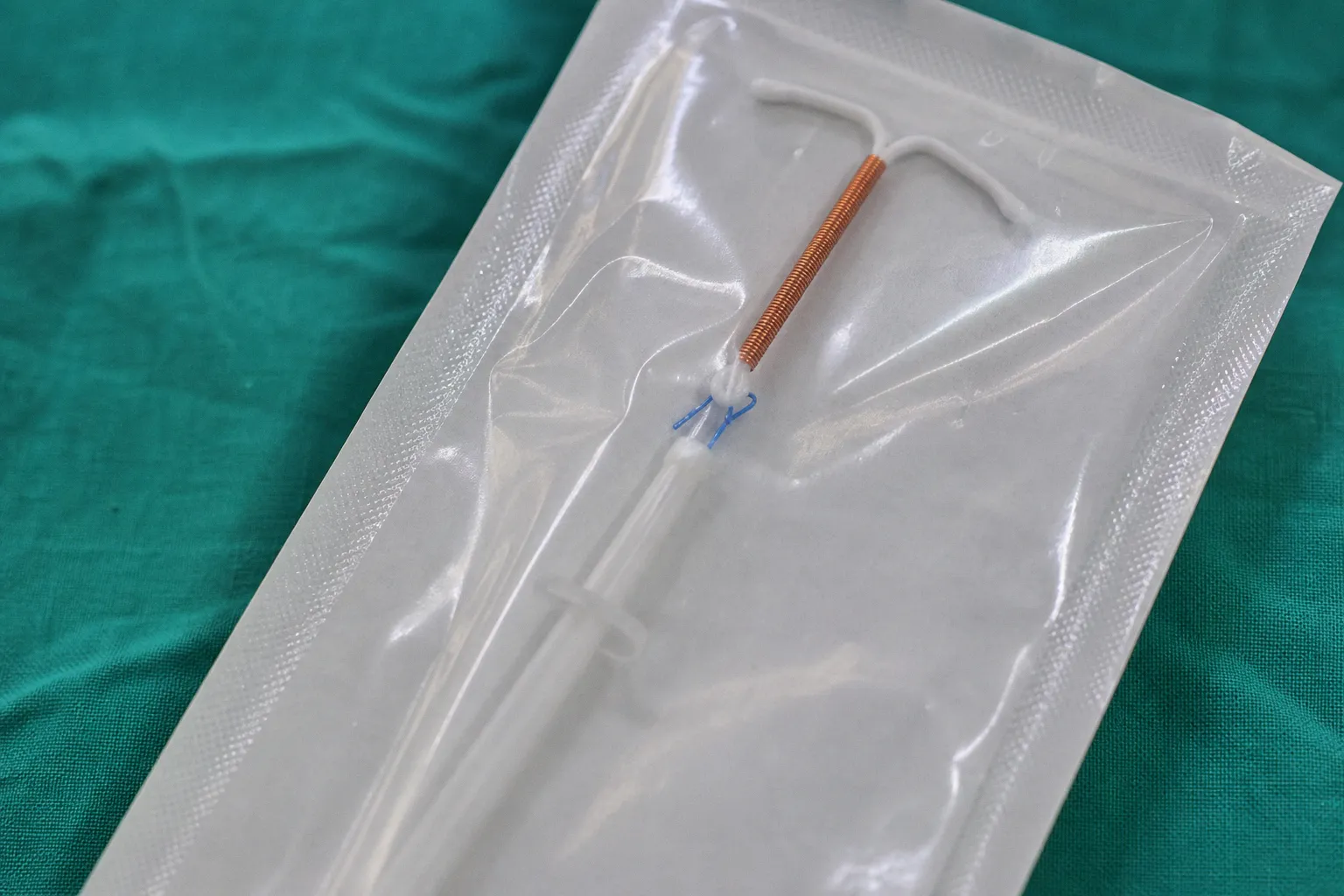
She is tired, her partner is hovering, and the discharge paperwork is being prepared. The question I am there to answer is deceptively simple: does she want an IUD placed now, before she walks out the door, or does she want to come back in six weeks for the same device on a different schedule?
Compare car rental deals in United Kingdom
See available offersPartner link — DiscoverCars comparisonThe phrasing in the national manual is orderly — postplacental, intracaesarean, immediate postpartum, interval. The language that matters between the two of us is plainer: now, while you are here, or later, when you have to travel back.
Both options may involve the same device, the copper T 380A, and the same long duration of protection. What separates them is timing, the likelihood of expulsion, the conditions around insertion, and the realistic chance that a woman who lives two hours from the nearest district hospital will ever return to claim an interval appointment. A postpartum IUCD versus interval IUCD comparison is not a contest between a modern option and an old one. It is a question of which route makes protection more likely to remain in place in the life the woman actually lives.
Defining Insertion Timelines: Postplacental, Intracaesarean, and the 48-Hour Window
In the Indian public programme, the postpartum IUCD, or PPIUCD, sits inside a tightly defined window. The national reference manual identifies three acceptable moments for insertion after childbirth.
- Postplacental insertion: within 10 minutes of placental expulsion after a vaginal birth, once the uterus has been examined and bleeding is under control.
- Intracaesarean insertion: after the placenta has been delivered and the uterine cavity cleared, but before the surgeon closes the uterine incision.
- Immediate postpartum insertion: any time within 48 hours of childbirth, usually before discharge from the postnatal ward.
The ppiucd insertion timing matters because the uterus, cervix, and care setting are not the same at each point. After a vaginal delivery, the cervix is open and the uterus is enlarged. During a caesarean birth, the clinician can place the device directly at the fundus before closing the uterine incision. In the first two days after delivery, the woman is still within the health facility, often receiving postnatal care and newborn counselling in the same place.
Anything beyond 48 hours and before six weeks is not treated as a routine insertion period in the programme. The interval IUCD is inserted after six weeks postpartum, once uterine involution is complete and the uterus has returned closer to its non-pregnant state.
The immediate window has an obvious practical advantage. The woman is already in a delivery facility. She does not need to arrange transport, leave an older child with relatives, miss a day’s work, or persuade someone to accompany her for another clinic visit. She can leave with long-acting contraception already in place.
That convenience should not be dismissed as merely administrative. In post-delivery contraception in India, the missed return visit is often the decisive event. A method that is clinically suitable but never inserted cannot offer protection.
At the same time, immediate placement comes with a trade-off that deserves plain language. The postpartum uterus is still enlarged and soft, the cervix remains open, and the body is in the first phase of recovery. These conditions help explain why expulsion is more common after immediate postpartum insertion than after interval insertion.
The difference is not the device’s ability to prevent pregnancy. It is the chance that a device placed just after delivery may come out before the woman knows it.
Expulsion Rates and Delivery Modes: Comparing Vaginal Versus Caesarean Outcomes
If I counsel a woman on the postpartum ward and only tell her the advantages, I am not counselling her. She needs to hear about expulsion before she gives consent, not after she has found a device in her sanitary pad at home.
Evidence pooled from a 2020 systematic review and meta-analysis of 48 studies covering 7,661 IUD placements found substantially higher complete-expulsion rates with immediate postpartum placement than with interval placement. That does not make PPIUCD a poor method. It means the method has a distinct follow-up burden, and the woman needs to know what that burden looks like.
| Parameter | PPIUCD: immediate postpartum | Interval IUCD: after six weeks |
|---|---|---|
| Insertion window | Postplacental, intracaesarean, or within 48 hours after birth | From six weeks postpartum |
| Pooled complete-expulsion rate | 10.2% | 1.8% |
| Expulsion pattern by delivery mode | 14.8% after vaginal birth; 3.8% after caesarean birth | Delivery mode is no longer the central comparison |
| Twelve-month continuation in the Gujarat–Rajasthan study | 70.7% | 78.3% |
| CuT-380A effectiveness when retained | More than 99% effective; 0.6–0.8 pregnancies per 100 women in the first year; protection for up to 10 years | Same device and effectiveness profile |
The adjusted relative risk of complete expulsion for immediate postpartum insertion compared with interval insertion was 8.33, with a 95% confidence interval of 4.32 to 16.08. Numbers like this can sound abstract in a ward conversation, so I translate them carefully: immediate insertion is efficient and often highly practical, but it is more likely to require a check, a replacement, or another contraceptive decision later.
Delivery mode matters within the immediate postpartum group. Devices inserted after vaginal birth have a higher reported expulsion rate than those inserted during caesarean delivery. In the pooled evidence, women with a device placed after vaginal delivery were about 4.5 times more likely to experience expulsion than women who received an intracaesarean insertion.
There are procedural reasons for this difference. During caesarean delivery, placement is direct and fundal: the provider sees the uterine cavity and positions the device before closure. After vaginal delivery, correct high-fundal placement is still the goal, but it relies on postpartum instruments and technique in an enlarged uterus. Training, infection prevention, careful fundal placement, and proper documentation are not bureaucratic extras here. They affect whether the method works as intended.
A PPIUCD does not fail because it is placed after delivery. It becomes vulnerable when it is expelled and that expulsion is not recognised.
The practical message for a patient is not that she must inspect herself anxiously every day. It is that she should know the signs that justify a visit: feeling the plastic part of the device in the vagina, seeing it come out, unusual pain, heavy bleeding that concerns her, fever, foul-smelling discharge, or uncertainty about whether the threads are present. A missing thread is not automatic proof of expulsion; postpartum uterine changes can alter where threads sit. But it is a reason for assessment, not a reason to guess.
The 48-Hour to Six-Week Insertion Gap in Indian Public Health Protocols
A question that comes up often in training is why the programme does not simply insert an IUCD at two weeks or four weeks postpartum if the 48-hour opportunity was missed.
The Indian national manual treats the period between 48 hours and six weeks after childbirth as a gap rather than an ordinary insertion window. The uterus is involuting, lochia is still present, and the cervix has not fully returned to its usual state. The protocol reserves this time for recovery and directs providers towards interval insertion after six weeks.
Between 48 hours and six weeks postpartum, the programme does not treat every postnatal contact as an IUCD insertion visit. The body is still changing, and the next standard opportunity is the interval visit.
For patients, this has consequences. If the immediate window is missed because labour was rapid, the woman was transferred late, supplies were unavailable, or she needed more time to decide, the next routine opportunity is not simply “whenever you feel ready next week.” It is after six weeks, when an interval assessment can be done.
At that visit, the provider can assess whether pregnancy is reasonably excluded, examine the uterus and cervix, discuss bleeding patterns and concerns, and perform insertion in a calmer outpatient setting. For some women, this is exactly the setting they prefer. They have recovered from delivery, had time to discuss contraception privately, and can arrive with their questions prepared.
For others, the six-week model is a fragile promise. A postnatal appointment may compete with a newborn’s illness, travel costs, household work, pressure from family members, or the simple exhaustion of early parenthood. The interval copper T benefits include lower expulsion risk and a more settled uterine environment, but those benefits only exist if the woman can reach the clinic and wants the method when she gets there.
This is why a good counselling conversation does not frame immediate insertion as “convenient” and interval insertion as “careful.” Both can be careful. Both can be appropriate. The real comparison includes distance, money, mobility, family support, the likelihood of follow-up, and the woman’s own comfort with making a decision before discharge.
Who Can and Cannot Have an Immediate Insertion
The PPIUCD is not for every woman who has just delivered. A provider who is trained to insert must also be trained to pause when insertion is not clinically appropriate.
Immediate insertion should be deferred when there is:
- Chorioamnionitis during labour, or current postpartum endometritis, metritis, or puerperal sepsis.
- More than 18 hours between membrane rupture and delivery.
- Unresolved postpartum haemorrhage or bleeding that has not been stabilised.
- Extensive genital tract trauma that is still being repaired or that compromises access to the uterus.
- No valid informed consent: for example, when the woman is in active second stage of labour, affected by medication that impairs decision-making, or unable to take in the information being offered.
The consent point deserves emphasis. Labour wards are busy places, and postpartum decisions can be made in a narrow interval between pain, fatigue, family pressure, and discharge. That is precisely why counselling should begin during antenatal care where possible, continue in early labour if needed, and be confirmed after delivery. A signature obtained when someone is unable to make a free and informed choice is not meaningful consent.
If immediate insertion is deferred, the conversation should not end with “come back later” and a vague wave toward the outpatient department. The woman should be offered another suitable postpartum option, such as condoms, a progestogen-only pill, DMPA, or a clear referral pathway for interval insertion. The PPIUCD is an important option, not a test of whether the patient is “committed enough” to family planning.
An IUCD can be used immediately after childbirth when clinically appropriate, and it is compatible with breastfeeding. It does not protect against sexually transmitted infections or HIV, however. When STI protection is relevant, condoms belong in the same discussion rather than being treated as an afterthought.
Continuation Rates and Side Effect Management in Long-Term Use
Effectiveness at the moment of insertion is not the same as continuation over the next year. A 2019 household study of 5,024 IUCD clients in 20 districts of Gujarat and Rajasthan described this difference clearly.
- Interval IUCD users: continuation was 85.6% at three months and 78.3% at 12 months.
- Postpartum IUCD users: continuation was 78.5% at three months and 70.7% at 12 months.
The figures do not mean that every discontinuation reflects dissatisfaction. Some women wish to conceive again, some experience an expulsion, and some choose a different method. But the study also found that women reporting side effects or other problems were 15 times more likely to discontinue.
That finding should change how we counsel. Bleeding changes, cramping, a partner feeling threads, concern about a foreign body, fear after an episode of pain, or worry about pregnancy despite the device may not always be emergencies. They are still real reasons why women stop using a method. Dismissing them with “it is normal” is often the shortest route to removal.
Copper IUCD counselling should be practical rather than reassuring by reflex. The woman should know that bleeding may be heavier or more prolonged, particularly in the early months, and that cramping can occur. She should also know that she is entitled to return for help rather than tolerate symptoms silently because someone told her the method lasts for years.
Thread-related concerns need the same sensible approach. After a postpartum insertion, threads may not be felt at the first check because the uterus is still involuting. They may become visible later as the uterus returns towards its usual size. A woman should not pull on anything she feels and should not assume that absent threads mean the device has disappeared. Assessment is the answer.
The real cost of a return visit is not only bus fare or time away from work. It is also whether the woman believes the clinic will listen. A patient who expects to be scolded for asking about bleeding will delay care. A patient who was told in advance what may happen, what requires attention, and where to go is more likely to continue a method she chose.
How I Talk Through It at the Bedside
When I sit with a woman on the postpartum ward, I do not start with the device. I start with her circumstances.
- Does she want to avoid pregnancy for several years, or is she looking for a shorter gap?
- Was there infection, significant bleeding, or another complication during labour or delivery?
- Is she breastfeeding, and what does she understand about contraception during breastfeeding?
- How far away is the nearest clinic, and can she realistically return after six weeks?
- Has she used an IUCD before? If yes, what did she like or dislike about it?
- If the device comes out, does she know where she can obtain another method promptly?
These questions are not a formal checklist to race through. They are how the comparison becomes hers rather than ours.
If a woman is clinically eligible for a PPIUCD and an interval visit is unlikely to happen, immediate insertion may be the stronger practical choice. She should understand the higher possibility of expulsion and the importance of follow-up, but she should not be made to feel that choosing convenience means choosing carelessly. For many women, leaving the facility with contraception already in place is the most realistic way to avoid a closely spaced pregnancy.
If she is worried about expulsion, prefers to decide after recovery, has a history that makes immediate insertion unsuitable, or can reliably attend a follow-up clinic, interval insertion is a sound choice. It offers a lower baseline expulsion risk and a setting where the provider and patient can proceed without the urgency of a postnatal discharge.
What I will not do is present PPIUCD as the automatic winner simply because it fits the workflow of a delivery facility. The system does not live with the device. She does.
The best post-delivery family-planning decision is not the one that looks most efficient on a register. It is the one that is clinically appropriate, freely chosen, realistically accessible, and supported well enough that the woman can keep using it — or change it — on her own terms.