Spacing contraceptives: which government option suits you?
Choosing a contraceptive is rarely a simple matter of selecting a product from a shelf.
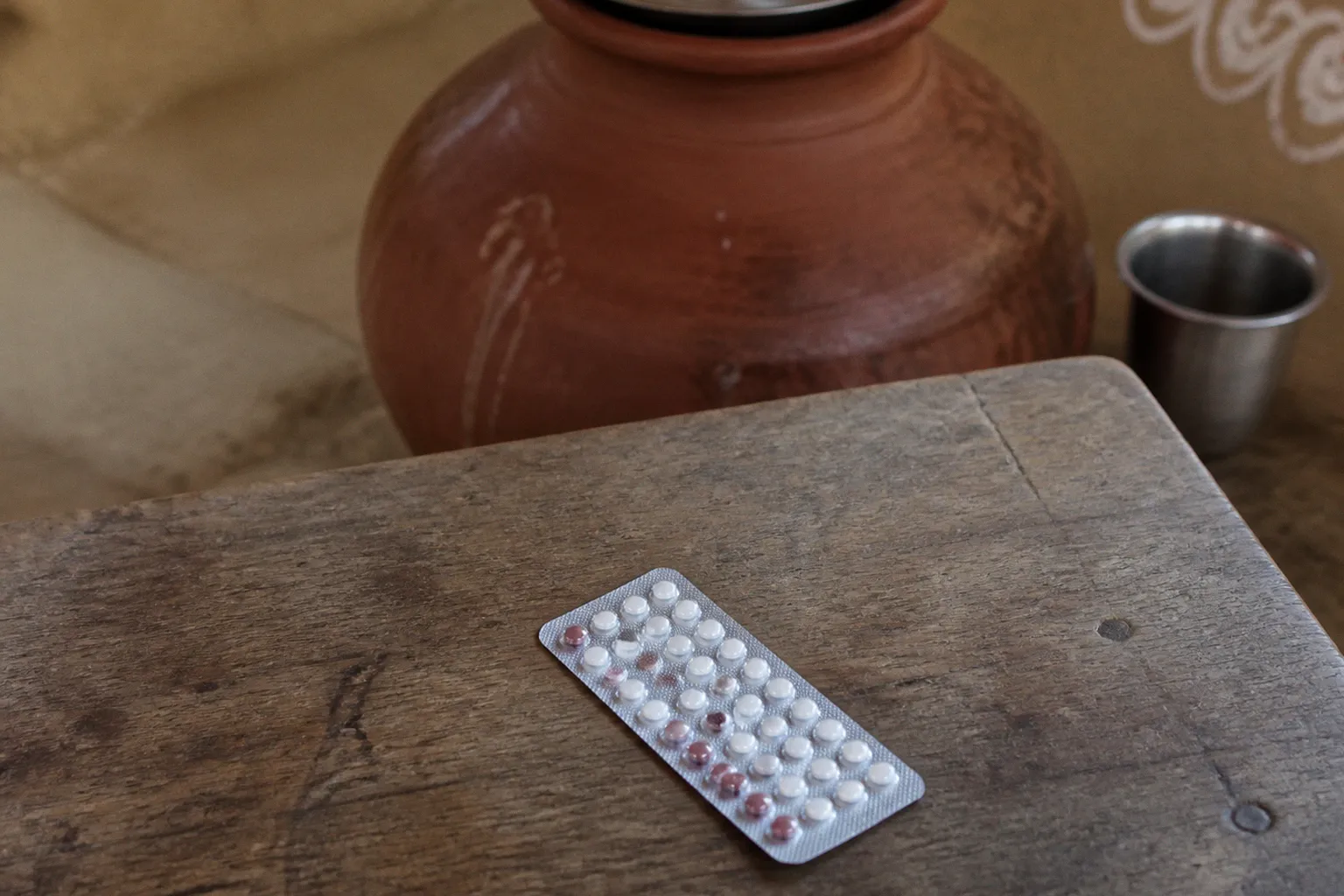
In a community clinic, I often meet women who have been told that the “best” method is the one that lasts the longest, or that a method is unsuitable because a neighbour experienced bleeding, weight change, or difficulty conceiving after stopping it. Those conversations matter because the right choice depends not only on effectiveness, but also on breastfeeding, the time since delivery, comfort with hormones, the ability to return to a clinic, and whether protection from sexually transmitted infections is needed.
Compare car rental deals in United Kingdom
See available offersPartner link — DiscoverCars comparisonIndia’s public health system offers six spacing contraceptive methods free of cost through government facilities and, in some cases, through doorstep distribution by Accredited Social Health Activists (ASHAs). The options include IUCDs, the Antara injectable, a single-rod implant being introduced in phases, Mala-N combined pills, Chhaya non-hormonal pills, and Nirodh condoms. They do not all work in the same way, and they do not place the same demands on the person using them.
The practical question is not “Which method is strongest?” It is: which care pathway fits this person’s health, plans, relationship, and daily life?
Start with the decision that shapes everything else: how much maintenance do you want?
Spacing methods can be divided into two broad groups. Long-acting methods provide protection for years or several months without requiring a daily decision. Shorter-acting methods depend on regular use: taking a pill on schedule, returning for an injection, or using a condom every time there is sex.
Neither group is morally or medically superior. A woman who prefers to manage contraception privately at home may choose pills. Someone who is tired of remembering tablets may prefer an IUCD or implant. A couple who wants protection from sexually transmitted infections may choose condoms, even if another method is used for pregnancy prevention.
Here is the public-sector basket in practical terms:
| Method | How long it works | Main practical feature | Where the decision becomes more personal |
|---|---|---|---|
| IUCD 380A | Up to 10 years | Long-lasting, reversible, non-hormonal intrauterine method | Requires insertion by a trained provider; bleeding and cramps may be a concern for some users |
| IUCD 375 | Up to 5 years | Similar long-acting, reversible intrauterine protection | The shorter duration may suit someone who wants a planned spacing period |
| Antara injectable MPA | 3 months per injection | No daily pill; can be used while breastfeeding from 6 weeks postpartum | Requires repeat visits and counselling about bleeding changes and return to regular cycles |
| Single-rod implant | Up to 3 years | Highly effective, discreet, long-acting reversible protection | Availability is being phased in; insertion and removal require a trained medical professional |
| Mala-N | 28-day pack | Daily combined pill, with 21 hormonal and 7 iron pills | Daily adherence matters, and combined pills are not suitable for everyone |
| Chhaya | Twice weekly at first, then weekly | Non-hormonal oral method | The unusual schedule can be easy to misunderstand without clear counselling |
| Nirodh condoms | One act at a time | Helps prevent pregnancy and sexually transmitted infections | Protection depends on correct use every time |
The two IUCDs are counted as separate government options because they provide different durations, although both are copper intrauterine contraceptive devices. The single-rod implant is also distinct from the IUCD: it is placed under the skin of the upper arm and releases etonogestrel, rather than sitting inside the uterus.
The most effective method is the one a person can use safely, willingly, and consistently—with a clear route back to care if something feels wrong.
The three-year implant: promising, but not yet an everywhere option
The single-rod subdermal implant was introduced into India’s public-sector contraceptive basket in March 2023 as part of the country’s FP2030 commitment. It contains 68 mg of etonogestrel and is designed to provide protection for three years, with a reported effectiveness of 99.95%.
For many patients, the appeal is immediate. There is no daily tablet, no three-monthly appointment, and no need to negotiate condom use every time for pregnancy prevention. The implant is discreet, reversible, and long-acting. It can be particularly useful for someone who wants to avoid pregnancy for several years but does not want a permanent method such as sterilization.
The implant also changes the conversation around reproductive autonomy. A woman may want reliable contraception without her family knowing the details, or she may be balancing childcare, paid work, and travel over long distances. A method that does not depend on remembering a pill or reaching a clinic every few months can remove a significant burden.
But a careful clinician must explain the limits of the service. The implant is being rolled out in a phased manner, beginning in selected states and facilities. It should not be assumed that every primary health centre has trained staff or supplies. Insertion and removal require a trained medical professional; an ASHA may help with counselling and referral, but should not be described as the person who inserts the implant.
The most common concern I hear is bleeding. With progestin-based methods, menstrual patterns may change. Some users may have irregular bleeding, while others may have less bleeding. These changes are not automatically dangerous, but they can be distressing, especially when a woman has not been warned in advance. Good counselling is not a formality here. It is what prevents a manageable side effect from becoming an abrupt discontinuation or a loss of trust in the health system.
Before insertion, a provider should discuss medical history, current medicines, pregnancy possibility, breastfeeding status, and the person’s expectations. The implant does not protect against sexually transmitted infections, so condoms remain important where infection risk is present.
Antara versus Chhaya: two very different answers to “I do not want a daily pill”
Antara and Chhaya are often mentioned together because both were introduced into the public programme in 2017 and both offer an alternative to daily combined pills. In practice, they suit very different preferences.
Antara: three months of protection at a time
Antara is a three-monthly injectable contraceptive containing medroxyprogesterone acetate (MPA). It can be started in breastfeeding mothers from six weeks after delivery. The repeat dose is given within a defined window: up to 15 days before the scheduled date or up to four weeks after it.
That flexibility is useful for patients who live far from a facility, have unpredictable work, or cannot guarantee an appointment on one exact day. It is also helpful for someone who wants a method that is private and does not require a tablet at home.
The trade-off is that the method is tied to repeat injections. Missing the follow-up window can reduce protection and create anxiety about what to do next. I encourage patients to record the injection date on a phone, calendar, or maternal health card, and to ask the provider what to do if the next visit is delayed.
Bleeding changes should be discussed before the first injection. A patient who expects every period to remain exactly as before may interpret an altered pattern as a sign that the medicine is harming her. The provider should also explain that the return to a regular menstrual pattern may not be immediate after stopping. This is different from saying that fertility is permanently affected: the method is reversible, but bodies do not always return to their previous rhythm on the same timetable.
ASHAs can support counselling and referral, but the first dose of Antara should be administered by a trained medical professional, including an MBBS doctor or another provider authorised under the relevant programme protocols. It is not accurate to promise that an ASHA can give the injection at home.
Chhaya: a non-hormonal pill with an unusual schedule
Chhaya contains centchroman, a non-steroidal, non-hormonal oral contraceptive. It is taken twice a week during the first three months, beginning on the first day of the menstrual cycle, and once a week after that.
For a patient who wants an oral method but would rather avoid hormonal contraception, this can be an important option. It also removes the need to swallow a pill every day, although it replaces that routine with a less familiar schedule. In clinic, I find that the schedule itself is the main practical challenge. Patients may remember “weekly” but forget that the first three months require two doses each week.
A written dosing plan helps. So does linking the pill to a regular weekly habit, while making sure the patient understands that the day must remain consistent. If a dose is missed, the correct response depends on the timing and the programme guidance; this is a moment to contact the provider rather than guess.
Chhaya is not the same as a copper IUCD simply because both are non-hormonal. One is a tablet that depends on correct use; the other is a long-acting device inserted into the uterus. The comparison is less about which is “better” and more about whether the person prefers control at home or a method that works continuously once placed.
| Question | Antara injection | Chhaya pill |
|---|---|---|
| Hormonal? | Yes, progestin-based MPA | No, non-steroidal and non-hormonal |
| Dosing | One injection every three months | Twice weekly for three months, then once weekly |
| Breastfeeding | Can be started from six weeks postpartum, after clinical assessment | Requires individual counselling, especially in the postpartum period |
| Clinic dependence | Repeat administration by a trained provider | Pills may be obtained through a facility or community distribution |
| Main adherence challenge | Returning for the next injection | Remembering the correct twice-weekly or weekly schedule |
| STI protection | No | No |
Neither method protects against sexually transmitted infections. Condoms can be added when that protection is needed.
IUCD 380A and IUCD 375: long-term spacing without hormones
Copper IUCDs remain among the most useful options in the public family planning programme because they provide long-lasting, reversible contraception without hormones. The IUCD 380A is effective for up to 10 years, while the IUCD 375 is effective for up to five years.
That distinction is not merely a technical detail. A person who wants to avoid pregnancy for a decade may value the longer duration of the 380A. Someone who expects to try for another pregnancy after several years may prefer the five-year device, although either IUCD can be removed earlier by a trained provider when pregnancy is desired.
Both devices can be inserted after delivery within 48 hours, or after an abortion within 12 days, provided the clinical situation is suitable and the provider has confirmed there is no infection or other reason to delay. Postpartum insertion can be convenient because the patient is already in contact with maternity services. It also prevents the common problem of leaving the facility without a contraceptive plan and then struggling to return later.
The postpartum decision should still be voluntary and informed. The fact that an IUCD can be inserted immediately does not mean it should be inserted automatically. The patient needs an explanation of the device, expected discomfort, warning signs, follow-up arrangements, and alternatives. Consent is not a signature obtained at the end of a procedure; it is the conversation that makes the procedure hers.
Copper IUCDs may increase bleeding or cramping, particularly in the early period after insertion. For someone who already has very heavy or painful periods, that possibility deserves serious discussion. A clinician can assess whether the method is appropriate and explain treatment options if symptoms occur.
Another practical point is the pathway for removal. A reversible method is only genuinely empowering when removal is available without judgment or unnecessary delay. If a woman wants the IUCD removed because she wishes to become pregnant, has persistent symptoms, or simply no longer wants it, the health system should respond with care rather than pressure to continue.
Mala-N and Nirodh: the methods that fit into daily life
Mala-N is a combined oral contraceptive pill distributed free through public facilities. Each pack contains 28 pills: 21 hormonal pills and seven iron or ferrous fumarate pills. The patient takes one pill each day, moving through the pack in sequence.
The 28-pill format can make daily use easier because there is no gap between packs. However, the method still requires a routine, and the combined hormonal formulation is not suitable for every patient. A provider should review medical history, including conditions and symptoms that may make combined pills unsafe, rather than handing over a pack without assessment.
The conversation also needs to include what happens when pills are missed, when vomiting or severe diarrhoea affects absorption, and how to obtain the next pack before the current one runs out. A patient who has to travel several hours to a clinic for each refill may need a larger supply or a different method. This is where the theoretical choice meets life on the ground.
Nirodh condoms operate differently. They are used for each act of vaginal sex and are the only option in this government basket that also helps protect against sexually transmitted infections when used correctly and consistently. They can be especially important when partners have different infection risks, when contraception is needed only occasionally, or when a person does not want a method that changes menstrual bleeding.
Condoms are also a useful companion method. A woman may use an IUCD, implant, injection, or pill to prevent pregnancy and still use condoms for infection prevention. Describing this as “extra” contraception misses the point: pregnancy prevention and infection prevention are related but separate needs.
ASHAs distribute condoms and oral pills, including Mala-N and Chhaya, directly to households in many communities. This doorstep access can be the difference between continuing a method and abandoning it. It also allows a patient to ask questions in a familiar setting, although private and confidential care must remain available for anyone who does not feel safe discussing contraception at home.
The postpartum route: do not leave contraception until the six-week visit
The weeks after childbirth bring several overlapping concerns: recovery, breastfeeding, sleep deprivation, newborn care, and the possibility of another pregnancy before the family feels ready. A contraceptive conversation should begin during antenatal care and continue after delivery, without treating the patient’s decision as fixed.
Some options can be considered immediately after birth or soon afterwards. IUCDs may be inserted within 48 hours of delivery. Antara can be started in breastfeeding mothers from six weeks postpartum, following clinical assessment. The implant may be an option where the service is available and the provider is trained. Condoms can be used whenever sexual activity resumes, and may be particularly useful while a longer-term decision is still being made.
A common clinical gap is confusing breastfeeding with reliable contraception in every circumstance. Breastfeeding can delay ovulation, but its contraceptive reliability depends on specific conditions, including the pattern of breastfeeding and the timing after birth. A patient should not be left to infer protection from breastfeeding alone.
Postpartum care is also where respectful counselling matters most. A new mother may agree to a method because she is exhausted, because relatives are present, or because she believes refusal will affect the care she receives. The ethical standard is straightforward: she must be able to say yes, no, or not yet, and to change her mind later.
After abortion: a short window for preventing another unintended pregnancy
After an abortion, fertility can return quickly. This makes the post-abortion period an important opportunity to offer contraception, but it must never become a moment for coercion. Some patients will want to avoid pregnancy for several years; others may wish to try again soon. Both decisions deserve respectful care.
Government IUCDs can be inserted post-abortion within 12 days when clinically appropriate. Pills, condoms, Antara, or an implant may also be considered according to the patient’s health status, preferences, and availability of trained services. A provider should check for infection, explain warning signs, and make sure the patient knows where to return if pain, fever, heavy bleeding, or other concerning symptoms develop.
The best post-abortion counselling is not a hurried list of methods. It is a short, clear discussion that answers three questions:
1. Does the patient want to prevent pregnancy now, and for how long?
2. Does she prefer a method she controls herself, or one that works without daily action?
3. What support will make the chosen method possible after she leaves the facility?
These questions are especially important for adolescents and young women, who may face stigma when seeking reproductive health services. NFHS-5 data indicate that 23.3% of girls were married before the age of 18, and 6.8% of deliveries were among teenagers aged 15–19. Those figures represent real patients who may need confidential, non-judgmental information—not a lecture about responsibility.
What access looks like beyond the policy document
On paper, free spacing contraceptives government clinics provide a broad range of choices. In practice, access depends on whether the local facility has supplies, trained staff, privacy, and a functioning referral pathway. The exact stock-out rate for spacing methods varies by district and is not established in the available data, so a patient should not be promised that every method will be present at every primary health centre.
This is where ASHAs play a valuable role. They can distribute Nirodh condoms and oral pills such as Mala-N and Chhaya, explain basic use, identify when a patient needs a clinician, and help connect households with a public facility. Historically, however, community incentives have often been more closely associated with sterilization referrals than with spacing methods. That imbalance can shape the advice a family receives.
A healthy family planning programme should make room for both. Sterilization may be the right choice for someone who has completed childbearing, but it should not crowd out reversible contraception for those who want to delay the next pregnancy. The fact that 47.6% of births in India had a spacing interval of less than the recommended three years, according to SRS 2020 data, shows why spacing deserves its own attention.
When a preferred method is unavailable, the patient should be offered a clear alternative rather than being pushed toward a permanent procedure. A referral note, a return date, and an explanation of expected waiting time may sound small, but these details determine whether a care pathway remains open.
Free contraception has value only when the method is available, the counselling is honest, and the patient can choose without pressure.
A practical way to choose among the six options
In a consultation, I usually work through the decision in stages rather than presenting every method as an equal pile of information.
First, we clarify the reproductive plan. Is the person trying to avoid pregnancy for a few months, three years, five years, or indefinitely? Does she want the option of pregnancy soon if circumstances change?
Next, we consider the patient’s health and timing: breastfeeding, weeks since delivery, recent abortion, menstrual pattern, medications, and any symptoms that need assessment. This is where a clinician determines whether an option is medically suitable.
Then we discuss the method’s “work” in everyday life:
- Choose an IUCD when long-term, reversible, non-hormonal protection is attractive and the patient is comfortable with insertion and possible changes in bleeding.
- Consider the implant when three years of highly effective protection without daily action is the priority and a trained service is available locally.
- Consider Antara when a three-monthly injection is preferable to a daily pill, with a plan for repeat visits and counselling about bleeding changes.
- Consider Chhaya when a non-hormonal oral method appeals, provided the twice-weekly then weekly schedule is genuinely manageable.
- Consider Mala-N when daily pill-taking fits the patient’s routine and a provider confirms that a combined pill is appropriate.
- Use Nirodh when STI protection is needed, contraception is occasional, or the patient prefers a method used at the time of sex.
Finally, we plan for continuation. Where will the next dose, pack, condom supply, insertion, or removal come from? Who should the patient contact if bleeding changes, a dose is missed, a condom breaks, or the method is no longer acceptable?
This last step is often overlooked. A method can be clinically excellent and still fail in practice if the service is too far away, the clinic hours clash with work, or the patient expects to be blamed for asking to stop.
The choice belongs to the person using the method
India’s government contraceptive options now include more variety than many patients realise: two copper IUCDs with different durations, a three-monthly injectable, a phased-in three-year implant, two oral pill pathways, and condoms. That range is valuable, but variety alone does not guarantee reproductive freedom.
The route to a suitable method should be built around the patient’s goals, health, comfort, and ability to return for care. A method should not be recommended because it is easiest for the facility, because a family member prefers it, or because a provider has an incentive attached to one service. Nor should side effects be dismissed as something a patient simply has to tolerate.
For practitioners, the work is to explain the choices plainly, name the likely practical difficulties, and keep the door open for review. For patients, the most useful next step is to ask: how does this method work, how long will it protect me, what changes might I notice, and where can I go if I want to continue, switch, or stop?
That is the foundation of good family planning: not a single preferred method, but a reliable, respectful care pathway in which the person—not the programme—remains at the centre.