Bridging the Gap: Strengthening Breastfeeding Support from Maternity Ward to Home
A new publication from the U.S. Centers for Disease Control and Prevention zeroes in on a problem Indian frontline workers already know too well: the gap between what a mother learns inside a…
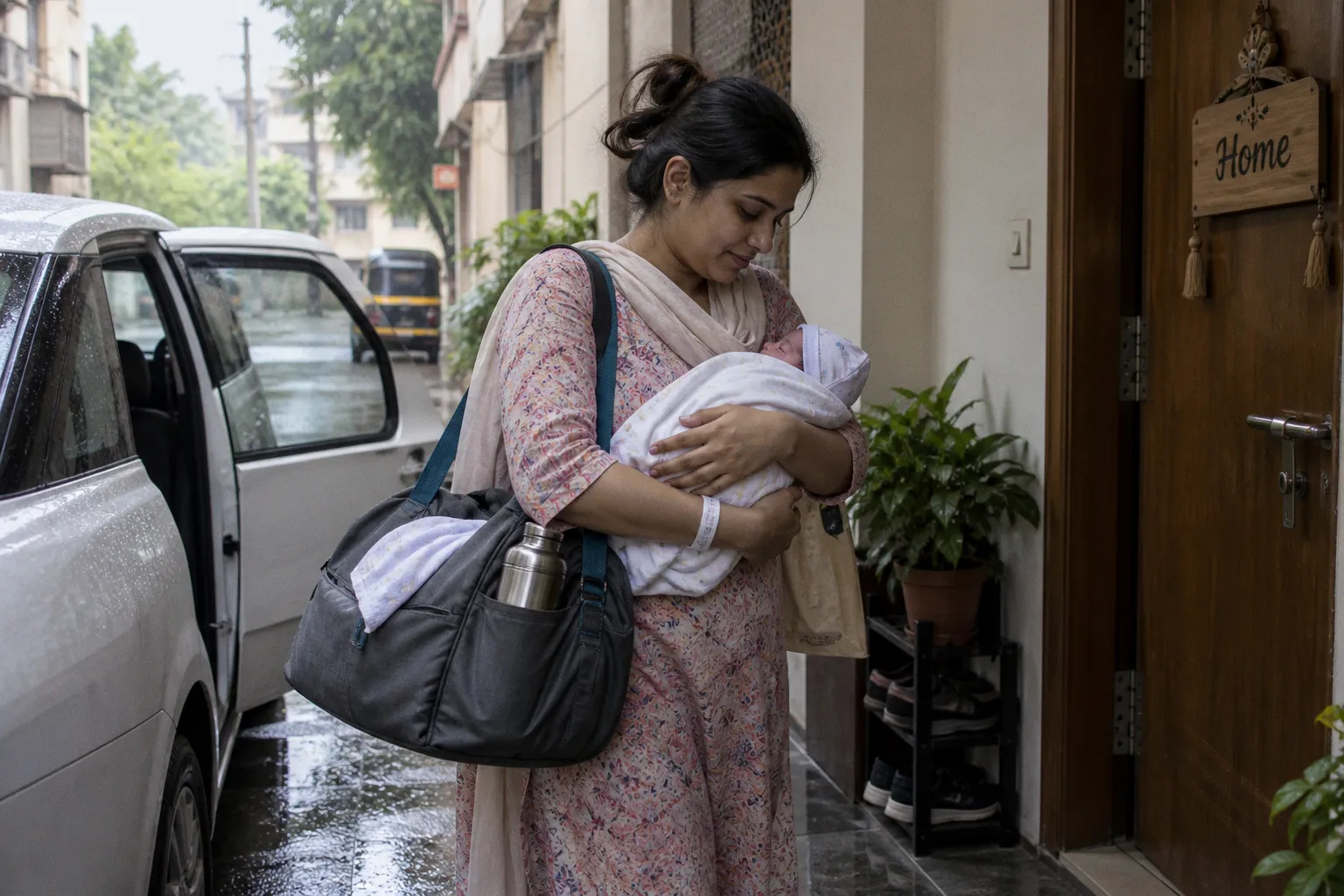
The Broken Handoff: Why Breastfeeding Continuity Falls Apart Between Facility and Home
A new publication from the U.S. Centers for Disease Control and Prevention zeroes in on a problem Indian frontline workers already know too well: the gap between what a mother learns inside a maternity ward and what actually happens in her kitchen six weeks later. Continuity of care in breastfeeding isn't a slogan. It's a supply chain — and right now, most districts are running it without inventory checks, without follow-up routes, and without a clear escalation path when a newborn drops below birth weight.
Where the System Leaks
The bottleneck isn't knowledge. Mothers in India largely understand that exclusive breastfeeding for six months is the standard. The leakage happens in the handoff — the 72 hours after discharge, the first home-visit by the ASHA, the transition when a mother returns to work or when cultural pressure from the family unit kicks in. Without a structured continuity protocol, that handoff defaults to whatever the most confident voice in the household decides.
Three structural failures drive the drop-off:
- No warm referral chain between the PHC, the Anganwadi, and the ASHA — each operates on its own cadence, none owns the outcome.
- No triage protocol for early-warning feeding signals: poor latch, insufficient wet diapers, jaundice, weight loss — the things that send a mother to formula within the first ten days.
- No data loop that flags a sub-district when initiation rates drop below threshold, so underperformance stays invisible until the next DLHS survey.
What a Fix Actually Looks Like
Scalable continuity isn't a new app. It's logistics. District health systems need a written breastfeeding continuity checklist that travels with the mother — initiated at the facility, carried to the Anganwadi, verified at the first and sixth-week home visits, with a clear escalation trigger to the PHC if any red flag surfaces.
Three moves to track:
1. Map the referral route from the labor ward to the first ASHA visit and identify where the chain actually breaks in your block.
2. Train frontline workers on a simple three-question lactation triage — not motivational counseling, but a decision tree that catches failure early.
3. Build a monthly review mechanism at the block level that reviews drop-off rates the way cold-chain officers review vaccine wastage.
The Milbank Quarterly's recent perspective on state-led public health infrastructure underscores the same principle from a different disease domain: when federal direction shifts or guidance ages out, state and local systems must own the continuity loop themselves. For India, that translates directly to district-level ownership of the breastfeeding continuum — because the window between delivery and the first complication is narrow, and the system that catches it must already be in the room.
The CDC's framing on continuity of care is a useful mirror. It confirms what India's reproductive and child health machinery has been trying to engineer for years: that a successful breastfeeding outcome is engineered, not advised. What remains is whether the system on the ground — the ASHA, the Anganwadi worker, the PHC staff — gets the protocol, the tools, and the authority to run it.