Analyzing India's Sex Ratio Trends and Regional Disparities in 2026
India's overall sex ratio has edged up to 1,020 females per 1,000 males according to the latest Sample Registration System data reported by Vajiram & Ravi—but the child sex ratio remains the metric…
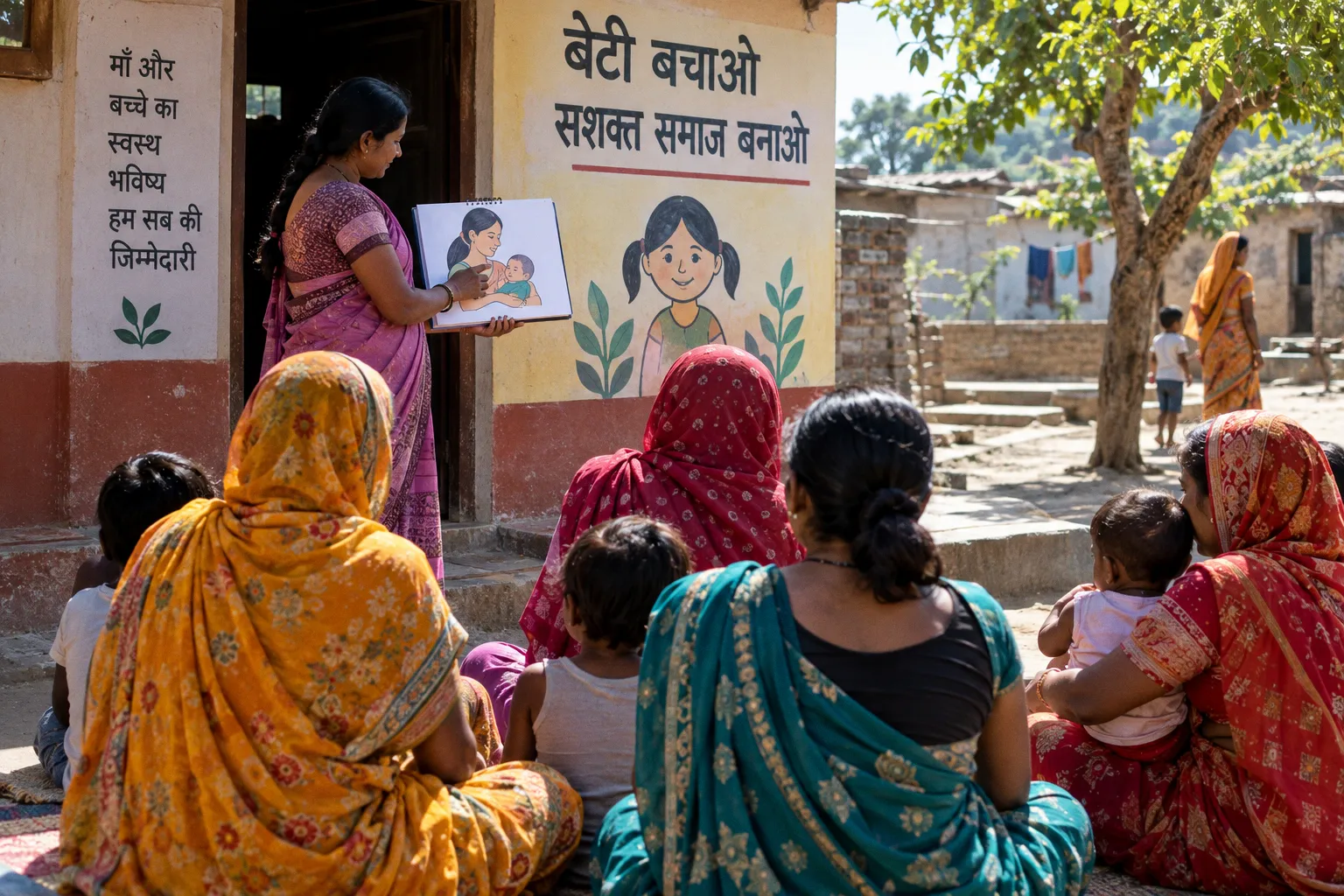
India's overall sex ratio has edged up to 1,020 females per 1,000 males according to the latest Sample Registration System data reported by Vajiram & Ravi—but the child sex ratio remains the metric that keeps failing the system's youngest patients. For anyone running pediatric or maternal health logistics at the district level, this isn't an abstract demographic curiosity. It's a pipeline problem with predictable downstream costs.
What the numbers actually show
The headline figure of 1,020 females per 1,000 males masks a fractured picture. Per the same demographic review:
- Census 2011 baseline: 943 females per 1,000 males—up from 933 in 2001
- Child Sex Ratio (0–6 years): declined from 927 in 2001 to 919 in 2011, recovering only to around 935 per SRS 2023
- 1901 reference point: 972 females per 1,000 males—a full century of dip-and-recovery
Southern and northeastern states—Kerala (1,084), Puducherry (1,037)—keep posting the strongest figures. The northern belt still lags badly: Haryana (879), Delhi (868), Chandigarh (818) at the bottom of the Census 2011 table. On the child ratio specifically, Chhattisgarh (969) and Kerala (964) lead, while Haryana (834) and Punjab (846) remain exposed.
Where the system breaks
A skewed child sex ratio is more than a social indictment—it's a logistics warning sign for any district-level RCH planner. Districts where girls are systematically undercounted at birth tend to be the same blocks where ANC coverage for adolescent girls collapses, nutritional supplementation programs see low uptake, and immunization tracking shows higher dropout rates among female children.
Beti Bachao Beti Padhao gets cited as a counterweight, and the CSR uptick to roughly 935 suggests enforcement is gaining traction in pockets. But the north-south gap hasn't closed. Sex-selective practices persist where son-preference meets weak birth registration—exactly the conditions that stretch already-thin field-staff capacity to breaking point.
What to track next
The global average sits at 984 females per 1,000 males per UN and World Bank data, meaning India now sits above the world mean on paper. The operational question is whether the child ratio catches up. Three things worth watching:
- Next SRS release with updated CSR figures
- State-level NFHS-6 preliminary data
- Maternal mortality signals—Uttar Pradesh has just ordered daily maternal death audits, a move worth tracking because MMR trends in low-ratio districts will show whether the female survival pipeline is improving end-to-end
The fix isn't another awareness campaign. It's birth registration audits in the worst-performing districts, prenatal sex-selection enforcement with teeth, and nutrition programs that reach girls before they vanish from the data.