Bridging the Antenatal Care Gap to Reduce Low Birth Weight in India
A recent analysis from The Policy Edge puts numbers to what frontline midwives like me have been sensing for years: India's antenatal care system is increasingly good at bringing women through the…
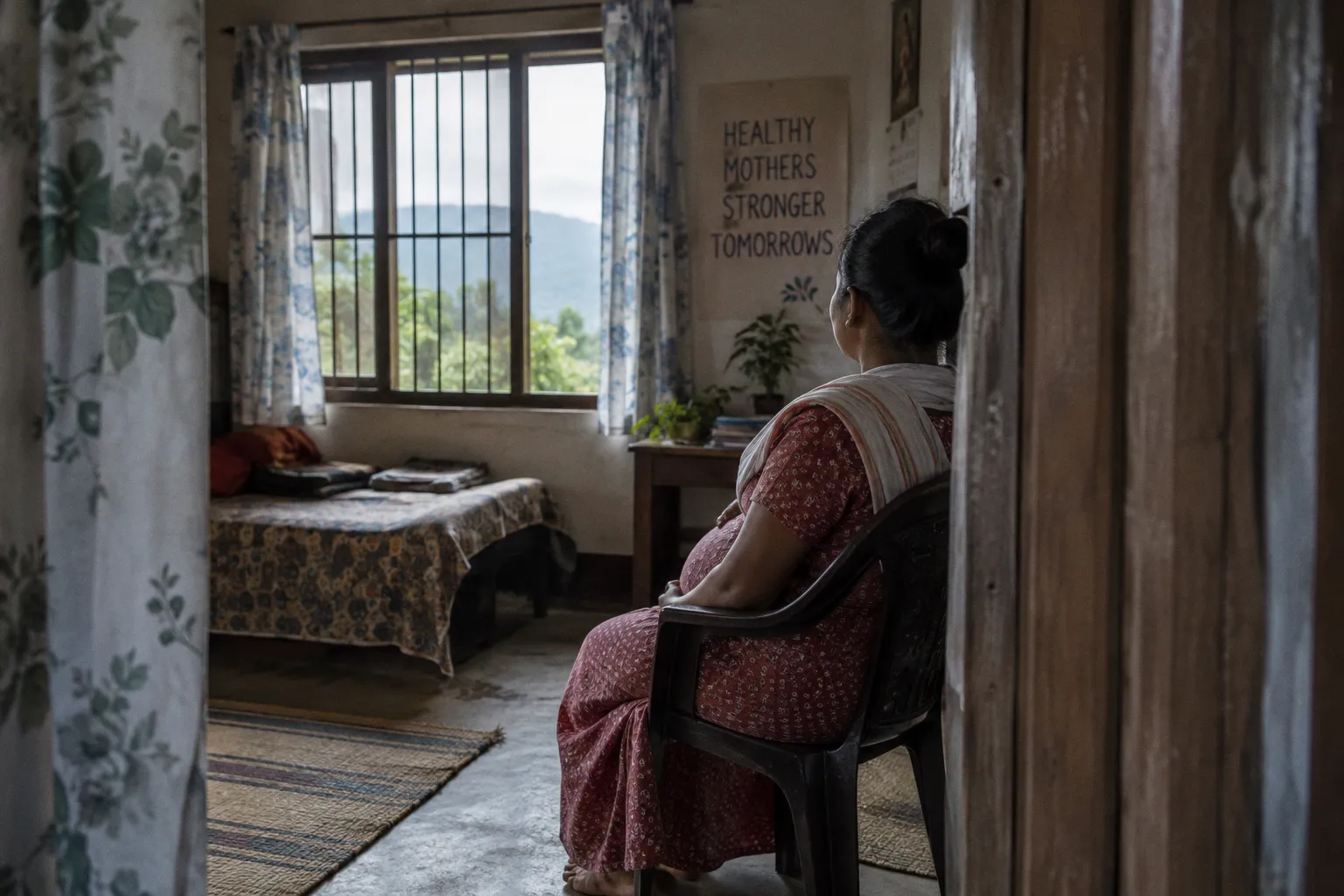
In my clinic, I've watched too many women walk in for their fourth antenatal visit right on schedule and still leave with an unmanaged anaemia, an unmeasured fundal height, and a baby whose growth nobody has tracked. A recent analysis from The Policy Edge puts numbers to what frontline midwives like me have been sensing for years: India's antenatal care system is increasingly good at bringing women through the door, but too often fails to deliver complete, continuous care once they're inside. Roughly 18 percent of Indian newborns arrive below 2,500 grams, and that figure has barely shifted between 2015–16 and 2019–21, even as institutional delivery has climbed.
The Quality Gap Behind the Numbers
Birth weight is more than a statistic on a scale. It is a downstream marker of everything that happened, or didn't, during pregnancy. The Policy Edge review frames low birth weight as linked to neonatal mortality, impaired cognitive development, poorer schooling outcomes, and chronic disease later in life, with an estimated economic cost to India of around US$30 billion, or 0.9 percent of gross national income.
What makes this hard to accept on the ground is that the contacts ARE happening. WHO recommends eight antenatal contacts, and evidence in the review associates each additional visit with a 30 to 90 gram increase in birth weight. The problem is not absence, it is incompleteness. Examinations get skipped, treatment is not followed up, and the next visit is logged without continuity from the last. When a woman reaches the system but the system does not reach her risks, an extra recorded contact only multiplies the same shortfall.
Where Geography Shapes Outcomes
National averages are misleading here, and that matters for how we plan care. NFHS-6 finds that 35 percent of Indian women do not complete four antenatal visits at all, and the state-level spread is brutal: 85.5 percent in Andhra Pradesh, 77.5 percent in Maharashtra, 51.8 percent in Uttar Pradesh, and 37.6 percent in Bihar. In Bihar, only 9 percent of women receive what the review describes as sufficient high-quality antenatal care.
That means our care pathways cannot be one-size-fits-all. In Bihar and Uttar Pradesh, the urgent task is still knocking down the financial and geographic barriers, long journeys, transport costs, thinly staffed and poorly equipped facilities, while lifting the floor of service quality. In Andhra Pradesh and Maharashtra, where most women do complete four visits, the higher return will come from deepening what happens at each contact rather than adding more boxes to tick. UP, Bihar, Maharashtra, and West Bengal together account for nearly 47 percent of all low birth weight infants, so these state-level choices are not abstract.
What Practitioners and Policymakers Should Watch
Programmes already exist that, used well, can close this gap. Janani Suraksha Yojana has driven institutional delivery upward, Pradhan Mantri Surakshit Matritva Abhiyan creates the space for comprehensive examination, and ASHAs remain the connective tissue between the woman and the facility. The Policy Edge argument, and the one I'd push from the clinic floor, is that the next reform has to move from counting contacts to completing care pathways.
For those of us in community clinics, that means treating each visit as a chance to actively manage anaemia, weight gain, blood pressure, infection, and gestational diabetes, and to write the next step down in language the woman carries home. For policymakers, it means funding the content of antenatal care, supplies, diagnostics, staffing, and follow-up, not just the registration line. For women, it means knowing that showing up is necessary but never sufficient, and that the question to ask is not how many visits I had, but what was actually done at each one.