Bridging the Gap: WHO Tackles Implementation Barriers in Reproductive Health
Every clinician who has worked in a district hospital knows a particular kind of frustration: the latest guideline is in your hand, the evidence is settled, and yet the woman in front of you on a…
Every clinician who has worked in a district hospital knows a particular kind of frustration: the latest guideline is in your hand, the evidence is settled, and yet the woman in front of you on a Tuesday morning still cannot reach the intervention. That gap — between what the evidence says and what actually arrives at the bedside — is the territory WHO's Human Reproduction Special Programme chose to open when it launched World Sexual and Reproductive Health Month with an online evidence-to-impact discussion, bringing researchers, practitioners and public-health experts into one conversation about where implementation is stalling and which research questions still need answering.
What the discussion set out to do
According to WHO, the event was framed as an interactive exchange rather than a lecture. Its three working questions were straightforward: what does the current evidence in sexual and reproductive health and rights actually show, where is implementation falling short of what that evidence supports, and which knowledge gaps remain unfilled. A recording is available afterwards, which matters for clinicians in lower-bandwidth settings who frequently miss these conversations the first time around.
Why this matters at the district level
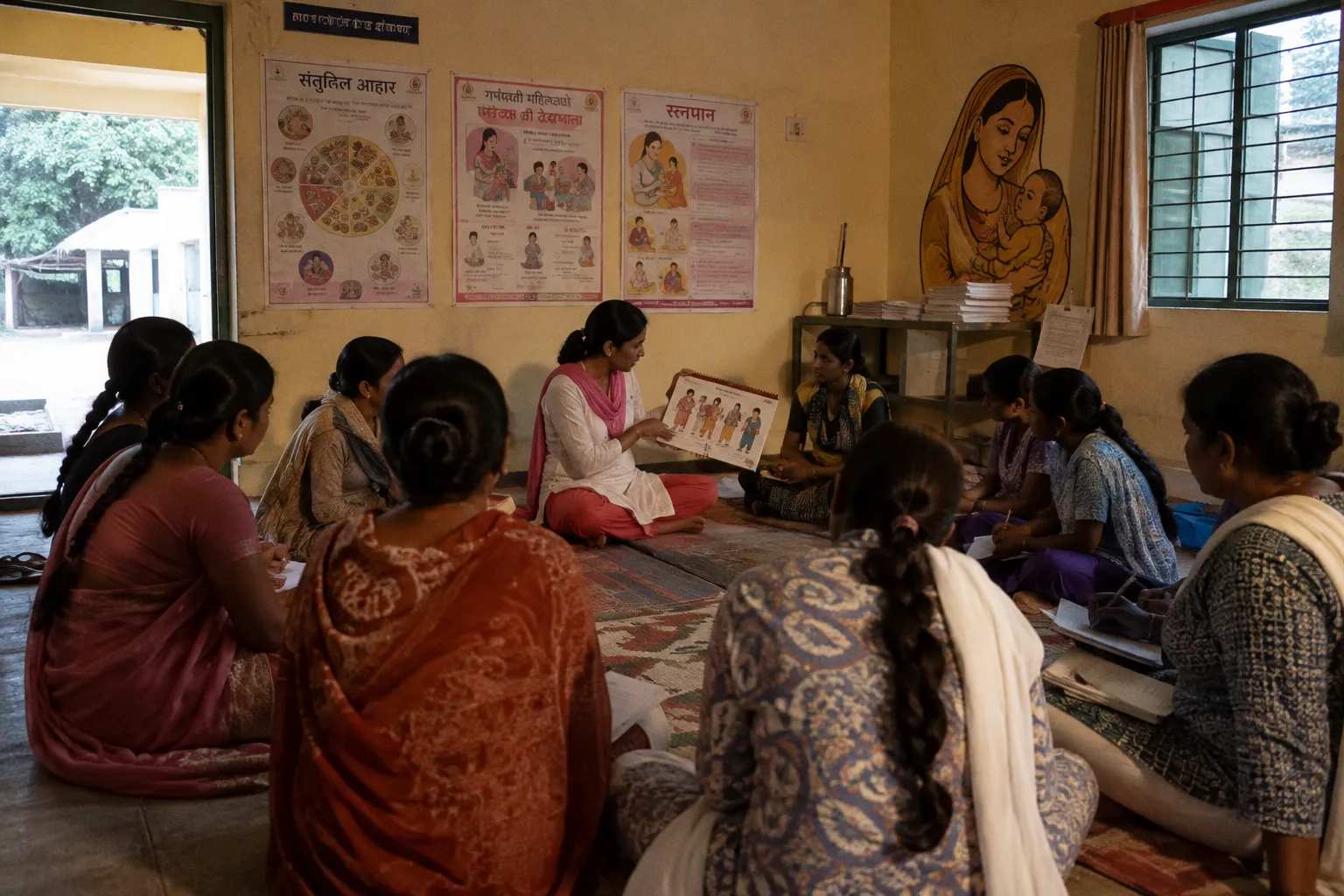
For those of us working on the ground in reproductive and child health across India, the "evidence-to-impact" framing lands close to home. WHO was explicit that the discussion would examine the challenges preventing proven interventions from reaching people — and for frontline midwives and physicians, that is the daily texture of care. When a global programme like HRP names the implementation gap out loud, it gives district teams a shared vocabulary for the barriers they already see: the referrals that never quite close, the counselling that gets compressed into two minutes, the quiet moment when a woman leaves a facility without knowing what her next step could be. A discussion that also asks which research questions will shape the future is, in effect, asking frontline clinics what evidence they still need.
What to do with this in the month ahead
World Sexual and Reproductive Health Month runs through September, and this opening event is positioned as the flagship moment. The practical move for practitioners is simple: catch the recording when you can, share it with your facility team, and pick one or two of your own evidence-to-impact gaps to name out loud. Those local gaps — the protocols you know work but that patients still struggle to reach — are the ones any future research agenda will eventually need to hear.