WHO Launches Global Initiative to Expand Sickle Cell Treatment for Children
WHO just released a package to push lifesaving sickle cell treatment to children who've been locked out by geography and price.
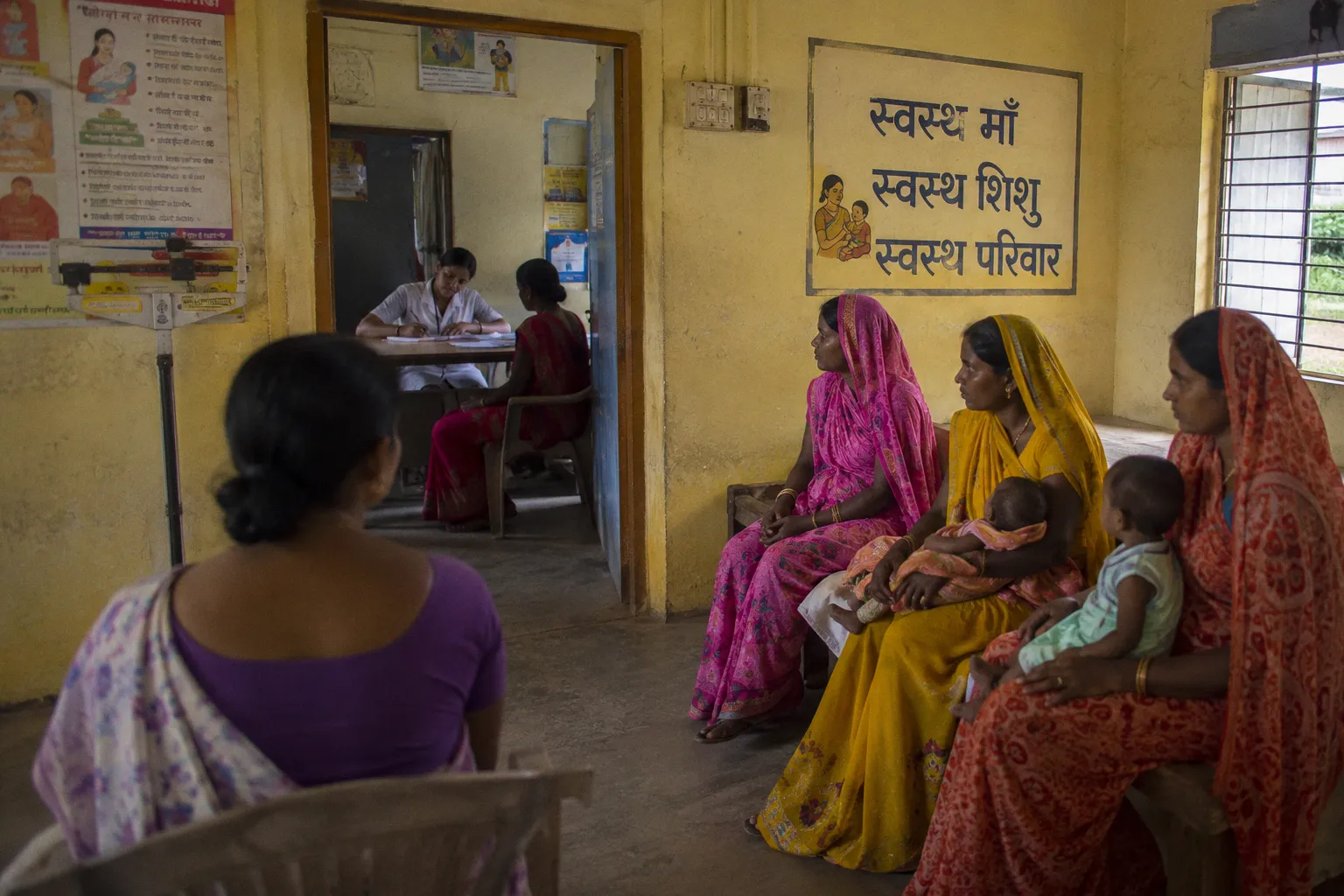
Per WHO's announcement dated September 2026, the agency is pairing updated clinical guidance with a coordinated push to make quality-assured, child-friendly medicines — starting with hydroxyurea — more widely available, especially across sub-Saharan Africa, where nearly 80% of cases live.
The failure that's been costing young lives
Sickle cell disease contributed to an estimated 81,100 deaths in children under five in 2021 — a number that reflects a logistics failure, not a medical one. Effective interventions already exist. The bottleneck sits in three predictable places:
- Diagnosis gap. Newborn screening still doesn't reach the populations where SCD is endemic.
- Supply chain gap. Hydroxyurea — the frontline drug — has been priced, dosed, and formulated mainly for adult markets in high-income settings.
- Formulation gap. Adult tablets don't translate cleanly to a 9-month-old patient.
The burden is not confined to Africa. According to WHO, SCD also affects populations across the Eastern Mediterranean, the Caribbean, South Asia, Latin America, and diaspora communities worldwide. South Asia — and the tribal belts of central and eastern India in particular — sits squarely in that geography, where case-finding infrastructure has long lagged the epidemiology.
What WHO put on the table
In May 2026, WHO published its first normative guideline targeting diagnosis, prevention, and clinical management of SCD in children and adolescents aged 0–19. The package includes 15 recommendations across seven priority areas. The headline move: a strong recommendation for hydroxyurea for all children and adolescents with sickle cell anaemia aged 9 months to 19 years — regardless of clinical severity.
The work runs through WHO's Department of Sexual, Reproductive, Maternal, Child and Adolescent Health and Ageing, alongside the Global Accelerator for Paediatric Formulations (GAP-f) housed under the Department of Science for Health. Together they cover the full pipeline: evidence-based clinical guidance, identification of priority medicines, characteristics of appropriate paediatric formulations, a pathway to quality-assured products, and forward planning for future therapeutic options.
Per Dr. Pascale Allotey, Director of WHO's Department of Sexual, Reproductive, Maternal, Child and Adolescent Health and Ageing: the goal is to make sure that where a child is born does not determine whether they can get the treatment they need. Per Meg Doherty, Director of WHO's Department of Science for Health, having an effective medicine is not enough if children cannot get it, afford it, or take it in a form designed for them — the focus now is changing it for sickle cell disease, starting with hydroxyurea.
What to watch next
- Hydroxyurea procurement. Watch for price drops, pooled procurement mechanisms, or generic quality-assured paediatric suppliers entering the pipeline.
- Newborn screening scale-up. Which countries operationalise screening at the district level — and how fast.
- Paediatric formulation pipeline. GAP-f is the engine to track for child-friendly hydroxyurea and beyond.
- South Asia uptake. Watch for whether the WHO guideline gets operationalised into state-level protocols where tribal populations carry documented SCD burden.
The core fix is unglamorous: build the supply line, fix the formulation, run the screening. The science is done. The logistics aren't.