How Digital Tracking Systems Are Transforming Maternal Care in Haryana
When a woman first walks into an antenatal clinic in Haryana, the questions that matter most are often the ones a paper register cannot answer quickly enough: Is she anaemic? Has she missed her blood pressure check?
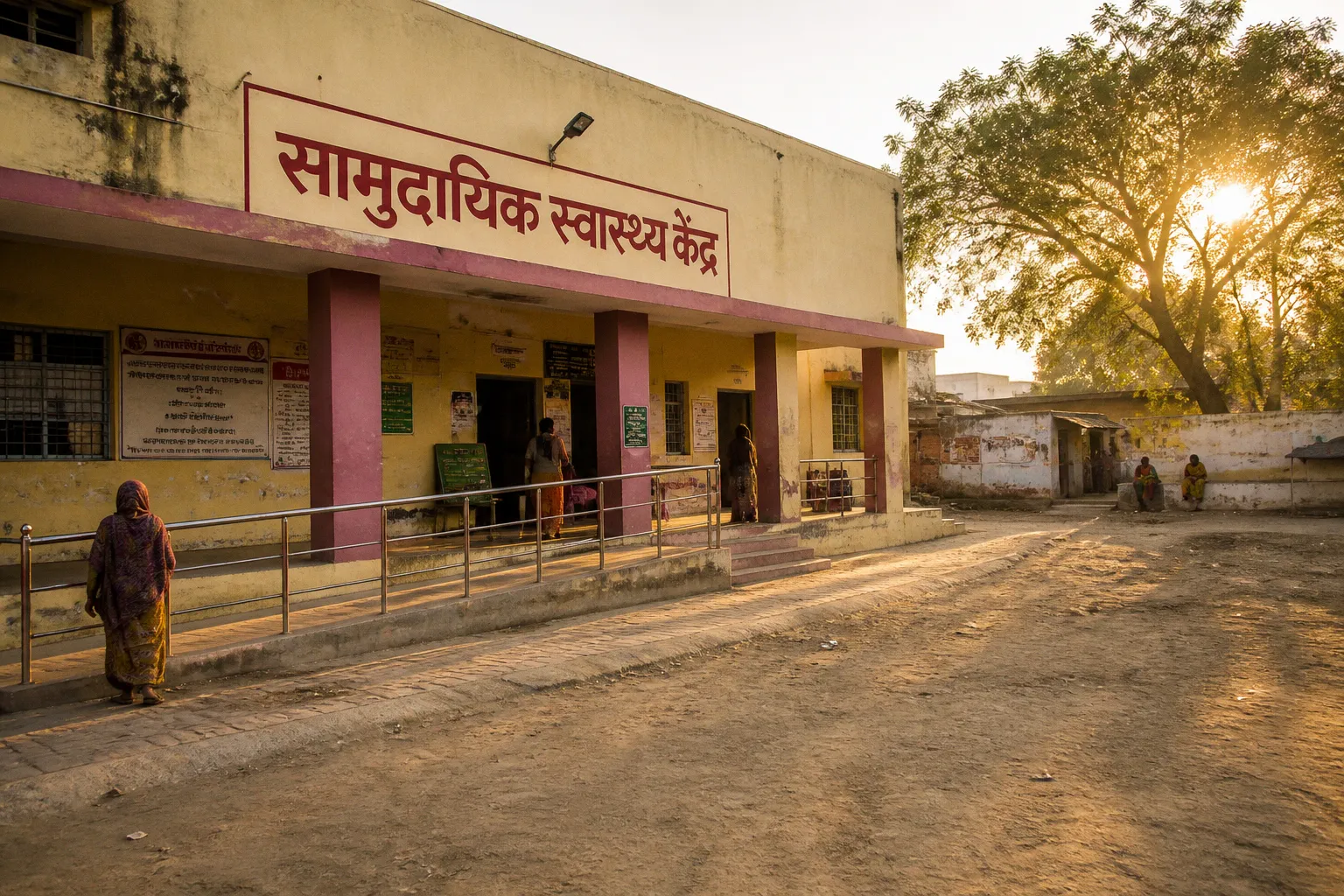
Improving maternal health, saving lives
Does she live far enough from a delivery point that a complication could turn dangerous before she reaches help? According to ETHealthworld, the state government is rolling out a digital system called SAMRIDDHI designed to follow each pregnant woman from the day she registers through delivery and the postpartum period, flagging high-risk cases earlier and routing them to the right facility.
For those of us who have spent years in district-level maternity wards and community clinics, the promise of a connected system is not abstract. It is the difference between a woman quietly slipping through the cracks between her first trimester and her due date, and being identified early as someone whose pregnancy needs a tighter safety net around her.
What SAMRIDDHI actually does on the ground
Based on reporting from ETHealthworld, the portal is built to do three things that frontline workers have long been asking for. First, it registers every pregnant woman digitally rather than across scattered paper files, so her history moves with her when she shifts between sub-centre, PHC, and district hospital. Second, the system will flag high-risk pregnancies — the mothers with severe anaemia, gestational hypertension, previous caesarean sections, or distance-from-facility concerns — and support timely referrals. Third, it links the data to a maternal and child health call centre, meaning a missed visit should trigger a follow-up rather than simply being noted as absent on a register page.
The Tribune has separately reported on the same initiative, framing it as a state-wide move to digitally track every pregnancy. Together, the two reports point to a coordinated attempt to make the maternal health continuum visible, rather than relying on a woman's own ability to remember her appointment card from one visit to the next.
Why this matters at the bedside
In real terms, care pathways only work when the information about a woman reaches the clinician before she does. A digital register that updates in real time across facilities means a midwife in a delivery room is no longer reconstructing a history from a hand-held card that may be incomplete. It means an ASHA worker's home visit notes — the danger signs she observed last week — can inform the decision at the facility today. And it means the postpartum window, where a worrying share of maternal deaths in India still cluster, does not simply end the moment a woman walks out of the hospital door.
There are practical questions that practitioners will need to watch as the system matures. How quickly will frontline staff be trained to use the portal without it becoming an administrative burden that pulls them away from bedside care? Will the call centre actually reach women who do not have reliable phone access, particularly in the more remote blocks? And will the high-risk flags lead to genuine escalation, or to another layer of paperwork layered on top of an already stretched workday? These are questions worth raising now, while the system is still being shaped rather than after it has been rolled out across districts.
For patients, the practical advice is simpler. If you are pregnant in Haryana, ask your ASHA or ANM whether your name is on the SAMRIDDHI portal and how you will be contacted for follow-ups. Knowing that your record is being tracked is not surveillance — at its best, it is a safety net that travels with you between visits, between facilities, and through the weeks after delivery when both mother and newborn still need eyes on them.