Transforming Maternal and Child Health Through the U-WIN Digital Platform
The Government of India has just released a fresh factsheet on maternal and child health, and the numbers tell a story I want every frontline worker in our country to sit with for a moment.
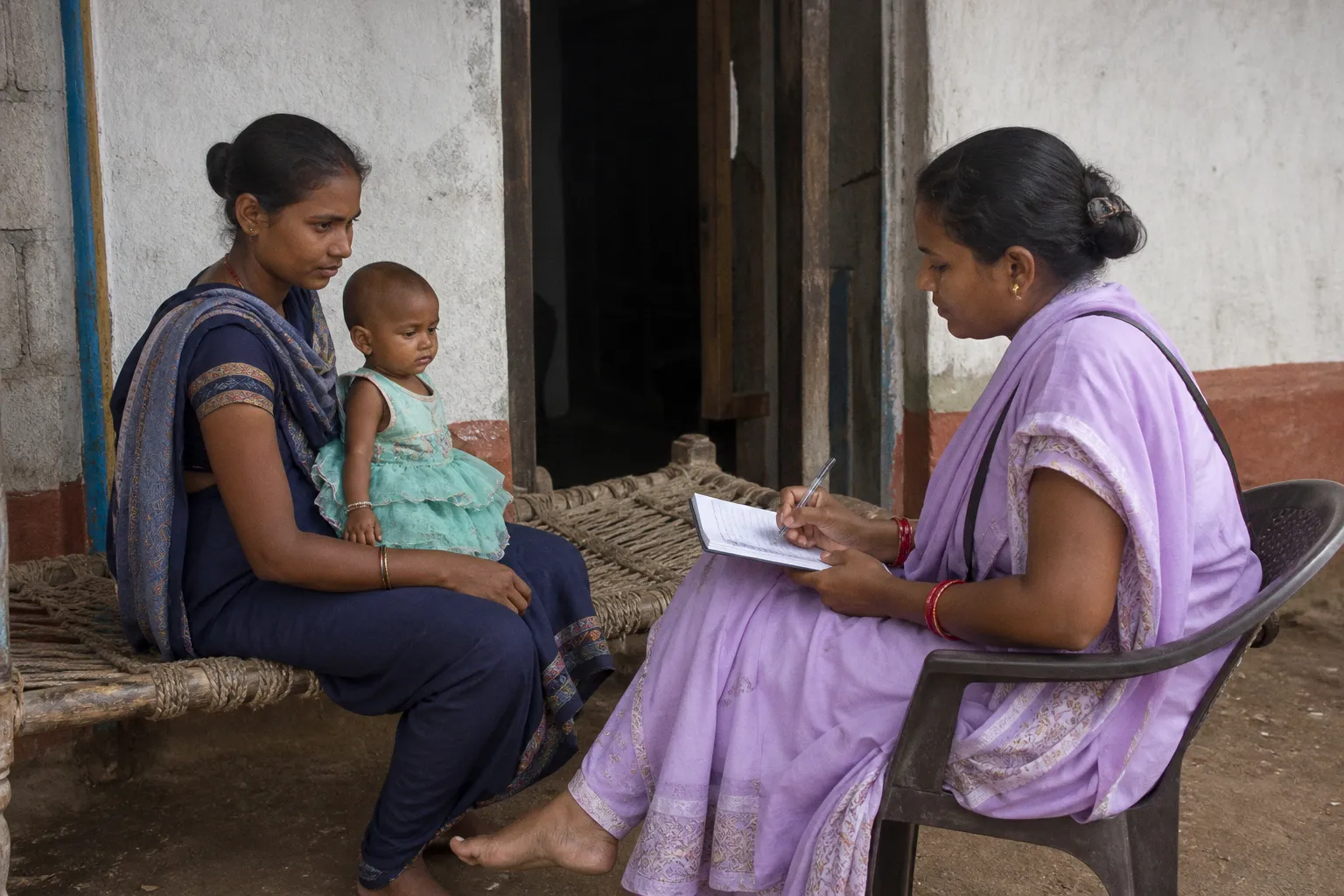
According to the Press Information Bureau, 11.87 crore children and 3.96 crore pregnant women are now registered on the U-WIN platform, and the maternal mortality rate has fallen to 87 per 100,000 live births for the period 2022–24. For those of us working in district hospitals, PHCs and community clinics, this is more than a statistic — it is a quiet confirmation that the slow, patient work of registration, antenatal tracking and follow-up is beginning to show up in the lives we touch.
What U-WIN actually changes at the bedside
U-WIN is the digital backbone we have been waiting for. When a pregnant woman walks into our clinic, her record is no longer a paper slip that disappears between her home and the next facility. Her vaccination history, her antenatal visits, her child's immunisation schedule — all of it follows her across districts and across providers.
What this means in practice: fewer missed doses, fewer women who "fall out" of the system between pregnancies, and a clearer line of sight for the ASHA worker trying to track a high-risk mother who has moved to her mother's village for delivery. The 3.96 crore pregnant women on the platform represent millions of care pathways that are now visible to the public health system in a way they simply were not before.
Where India still needs to look honestly
The drop in MMR to 87 is real progress, but I want to be candid with you about what the headline does not say. A national average smooths out the steep differences between states, between rural blocks and metropolitan districts, between women who can reach an emergency caesarean within the golden hour and those who cannot. Until every district sees the same decline, this is a milestone, not a destination.
It helps to look beyond our borders with clear eyes. March of Dimes recently released its 2026 report Nowhere to Go: Maternity Care Deserts Across the U.S., finding that one in three American counties are still classified as maternity care deserts — places where a pregnant woman must travel significantly farther for care. Even a high-income system with very different infrastructure still struggles with the geography of childbirth. The lesson for us is not to compare but to commit: the women who live farthest from a functional delivery point are still the ones who need our most deliberate outreach.
What to carry into Monday morning clinic
- Open U-WIN before the woman opens her file — let her see what the system already knows about her.
- For any unregistered pregnant woman, prioritise enrolment on the same visit rather than "next time."
- If you work in a block where the MMR has not shifted, document the referral gap honestly; the curve only bends where we record what we see.
- Explain to mothers what U-WIN means in plain words — continuity of care, not just another card.
We have done harder things than this. The platform exists, the registrations are climbing, and the mortality curve is bending. Our job now is to make sure that no woman in our catchment area feels like the exception to the story the data is starting to tell.