Excessive Bleeding To Infection: 6 Health Conditions New Mothers Should Not Ignore And Why
The postpartum window is where India's maternal health infrastructure fails most quietly — and according to NDTV, a freshly published guide flags six health conditions new mothers should not ignore…
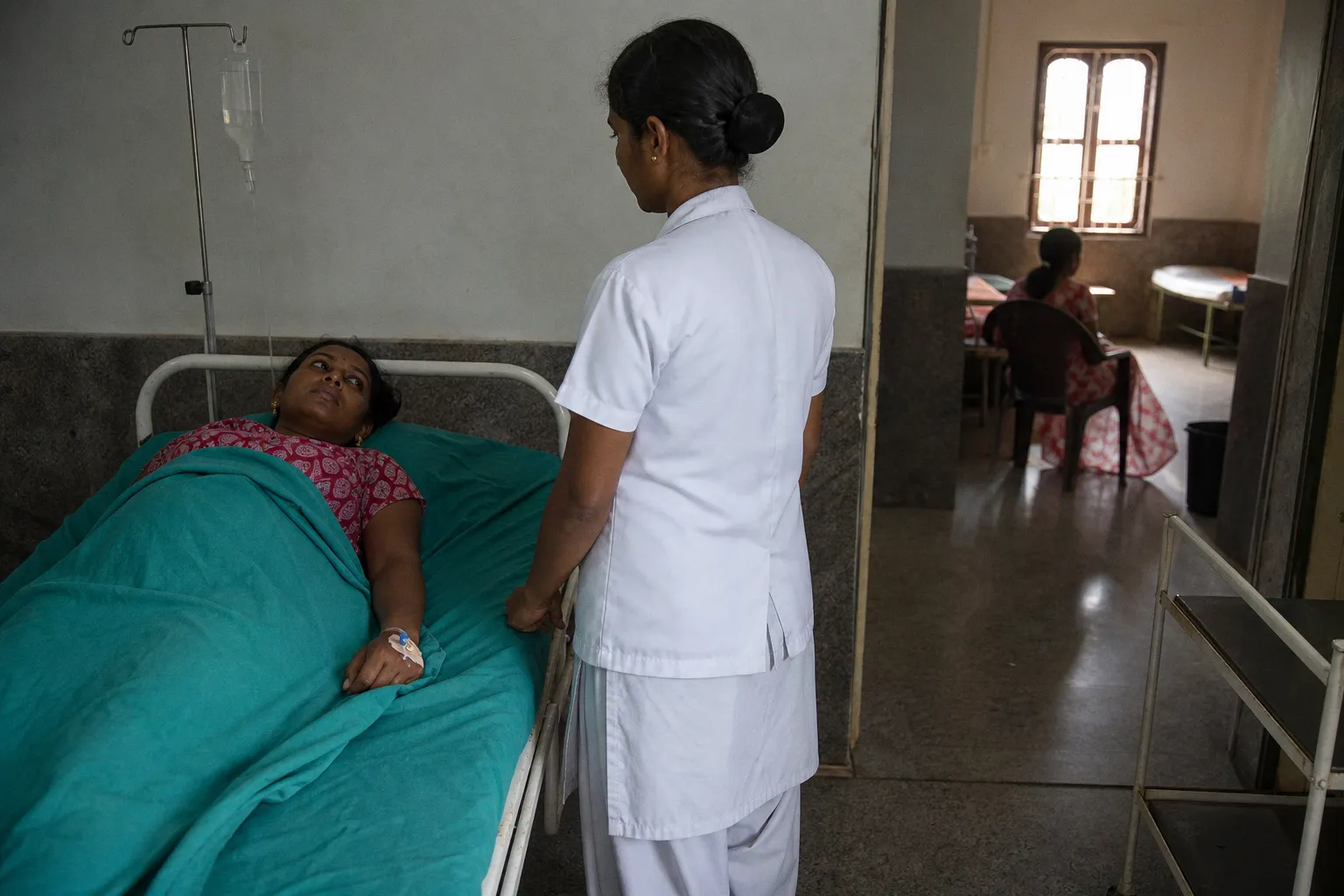
The postpartum window is where India's maternal health infrastructure fails most quietly — and according to NDTV, a freshly published guide flags six health conditions new mothers should not ignore, from excessive bleeding to infection, with a blunt message: the gap between noticing something wrong and reaching a facility is where outcomes are decided.
The triage gap the headlines don't name
The underlying pattern is operational, not clinical. Postpartum complications have well-documented response protocols at district hospitals. The failure point is everything between the household and the door — the delay in recognizing danger signs, the household decision to seek care, transport, and whether the receiving facility is open and staffed when the family arrives.
NDTV's reporting, drawn from the kind of danger-sign framework frontline workers should be reinforcing at every discharge, frames six specific conditions as immediate escalations. The tone is practical: transport, not home remedies.
Where the supply chain breaks
Two of the conditions headline — excessive bleeding and infection — are time-sensitive by definition. Both depend on someone recognizing the warning quickly and reaching a facility that can respond. The infrastructure failure sits upstream of the clinic: whether danger signs are taught at discharge, whether an ASHA worker or family member is primed to act, and whether referral transport works at the hour it is needed.
A media guide telling mothers what to watch for is a valuable downstream tool. But the upstream fix is a discharge checklist, a referral line that actually answers, and a PHC that is open when the complication arrives. Those are the levers that decide whether the six conditions named in NDTV's guide end with a mother going home or a family mourning.
Levers that convert awareness into survival
For clinicians, district health officers, and program managers reviewing this: the operational test is whether a new mother in a remote block can reach appropriate care within the critical window after the first danger sign appears. If the answer is "probably not," awareness articles are necessary but insufficient. The discharge checklist, the stocked pharmacy, the functional referral transport — these are the supply chain links that decide who reads the next NDTV guide and who doesn't get the chance.