Zunheboto Launches Poshan Maah 2026 to Strengthen Maternal and Child Nutrition
According to the Nagaland Tribune, district authorities in Zunheboto formally launched Poshan Maah 2026 on September 14 during a convergence meeting aimed at tracking child nutrition and addressing…
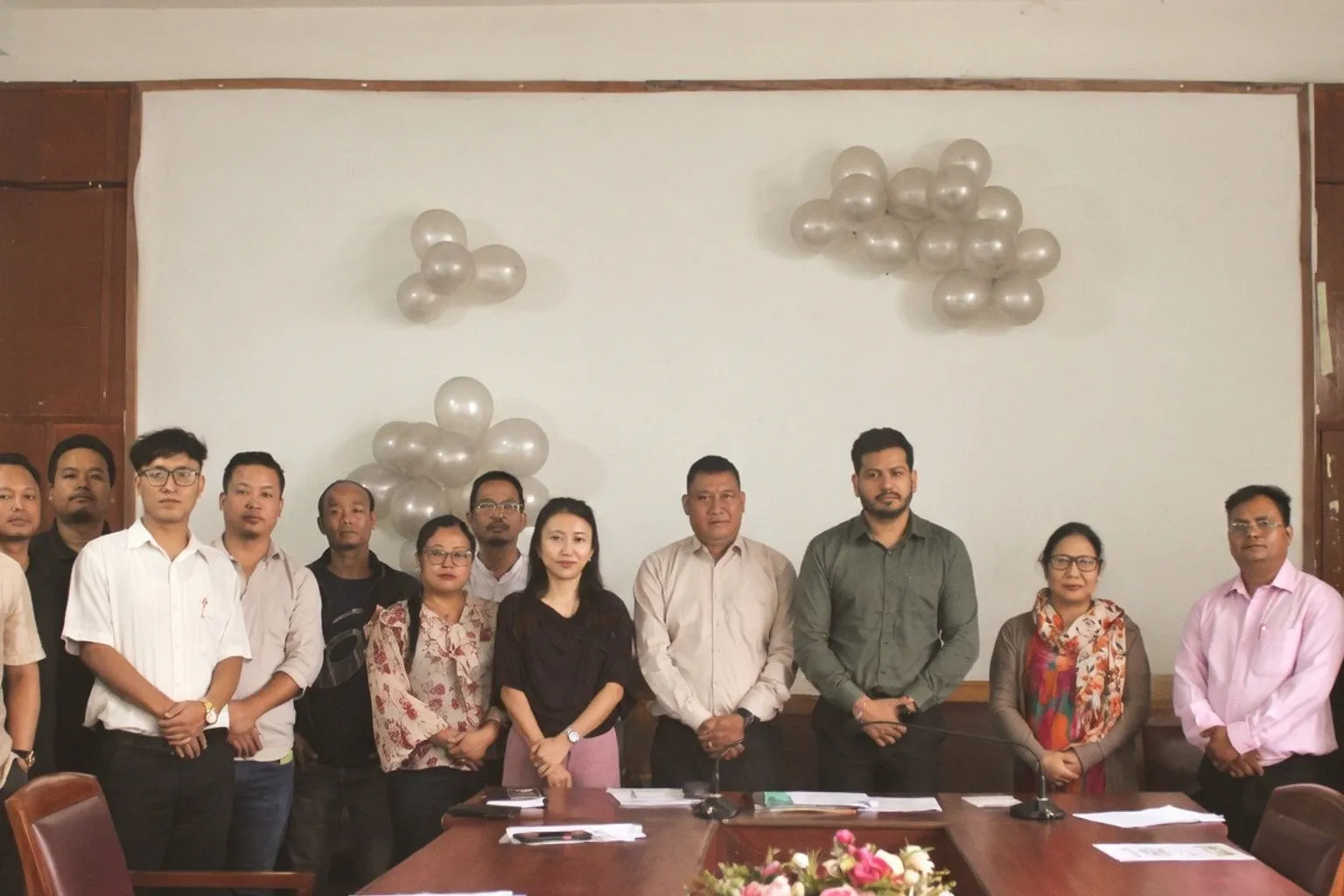
According to the Nagaland Tribune, district authorities in Zunheboto formally launched Poshan Maah 2026 on September 14 during a convergence meeting aimed at tracking child nutrition and addressing maternal health challenges. The gathering brought multiple departments together under the Poshan Abhiyan umbrella, with officials emphasising that nutrition is not a one-month exercise but a year-round commitment that demands sustained, coordinated effort. For frontline workers and the mothers they serve, the push signals a renewed attempt to close the gaps that continue to keep India's maternal mortality numbers stubbornly high despite years of progress.
From the district coordination room to the community
The programme was chaired by Mughalu Awomi, District Coordinator for Poshan Abhiyan in Zunheboto, with R Imtinukshi, the District Programme Officer, speaking to the significance of Poshan Maah 2026 and the role it plays across sectors. Deputy Commissioner Dharam Raj, an IAS officer, delivered the special address, framing the initiative as a systematic platform to monitor nutritional status — not just the outward appearance of health — so that no child is missed in the count. The event concluded with all attendees taking the Poshan Pledge, a collective commitment to building a healthier generation, a small ritual that nonetheless matters when it pulls stakeholders from across departments and community organisations into the same room.
Why convergence matters for maternal outcomes
What stayed with me from the Deputy Commissioner's remarks was the honest acknowledgement that India's Maternal Mortality Rate, though steadily reducing, still sits far above what developed nations have achieved — and that this gap narrows only when departments genuinely converge rather than work in silos. He called for multi-village participation and underlined the role of mothers' organisations and youth groups in driving community-level awareness and follow-up. For practitioners on the ground, this kind of cross-departmental alignment is what separates a one-off poster campaign from real nutritional support reaching pregnant women and new mothers — the kind of support that actually moves the needle on anaemia prevalence, low birth weight, and postnatal recovery timelines.
What ASHA workers and antenatal teams should watch next
The recurring message from Zunheboto — that nutrition is continuous work, not a seasonal burst — mirrors what we encounter in clinics and sub-centres every single day. When auxiliary nurse midwives and community health volunteers have stable support structures, antenatal counselling on diet diversity, iron-folic acid supplementation, and postnatal follow-through become far more effective than they are in fragmented systems where each department works to its own calendar. Watch how this convergence meeting translates into actual monthly monitoring visits at Anganwadi centres, whether supplements and take-home rations reach sub-centres on time, and how mothers' organisations are being mobilised at the village level rather than left as a slogan. These are the touchpoints where Poshan Maah either earns its name or quietly fades with the calendar flip — and where practitioners and community health volunteers can hold the system accountable, one follow-up visit at a time.