Bajali Achieves Zero Home Births: Lessons for India’s Maternal Health Strategy
A small district has quietly rewritten a frontline metric that community health workers and program managers have chased for years: Bajali has reportedly recorded zero home births, according to The Times of India.
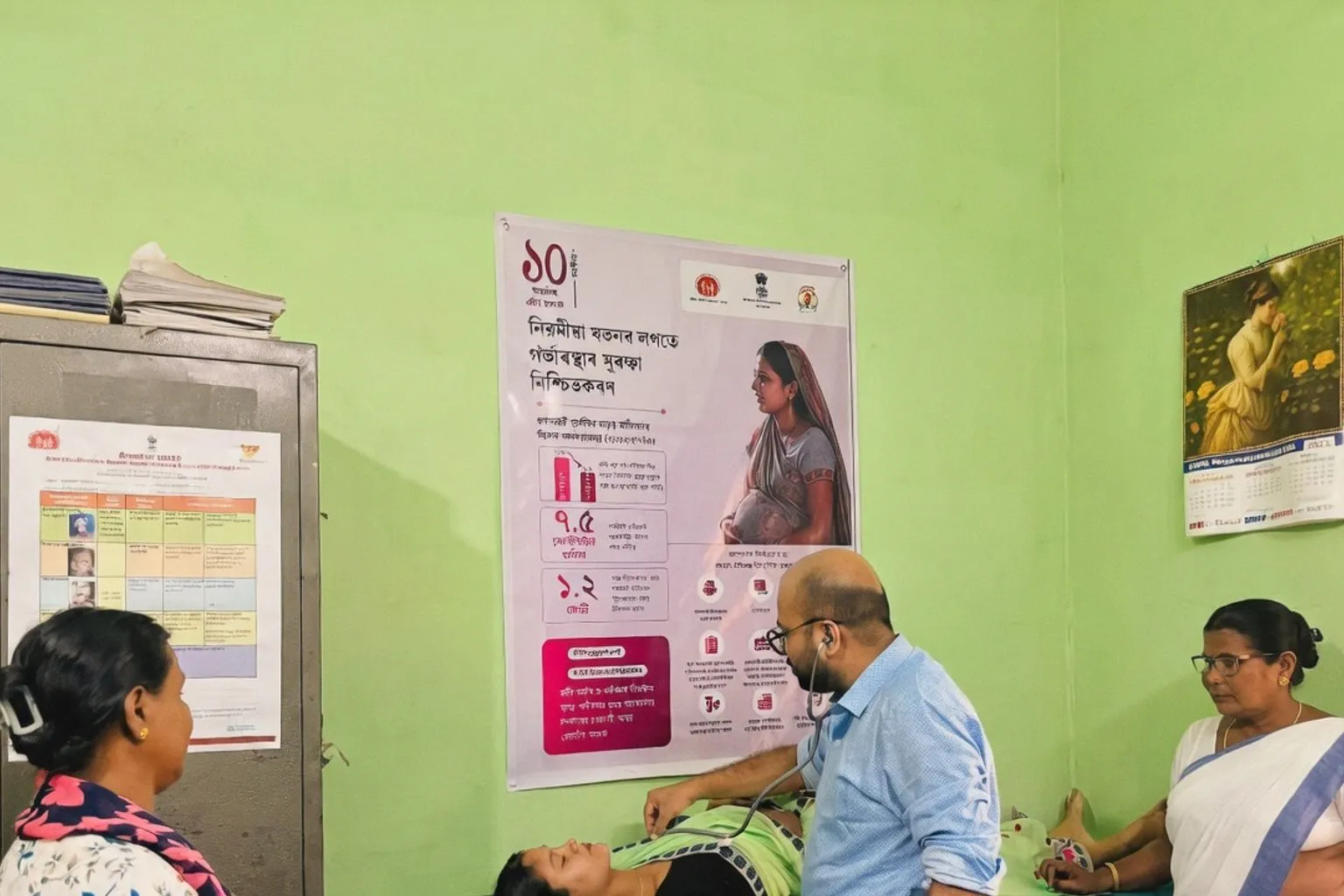
For practitioners reading this from a referral hospital, a primary health centre, or a busy urban antenatal clinic, the figure is less about celebration than about asking how a system finally pulled every delivery into a facility — and what those women actually experienced once they got there.
The signal from Bajali
The public detail we have is thin — essentially a headline — but the direction of travel matters more than the specific data point. When a district crosses from "mostly institutional" to "effectively all institutional" deliveries, it usually means a handful of things have quietly aligned: working ASHA-led pregnancy tracking, reliable referral transport, a delivery point that women trust enough to walk into at 2 a.m., and a sub-centre or block PHC that has stopped losing its nursing staff to attrition. Each of those is a clinical story, not just a number on a dashboard. The shifts that hold, in my experience, are the ones that invested in the unglamorous middle — labour room etiquette, respectful maternity care, real postnatal follow-up at home — rather than only counting the deliveries themselves.
Where this fits in India's maternal health picture
Bajali's milestone lands inside a much larger arc that the WHO Director-General Dr. Tedros Adhanom Ghebreyesus flagged during the 79th Session of the WHO Regional Committee for South-East Asia, where he met Health Minister J.P. Nadda and praised India's progress on maternal and child health, including the reported expansion of institutional deliveries to 93%, with ASHA workers credited for their frontline role. A district going to zero home births is exactly the kind of local data point that, multiplied across hundreds of blocks, gets you to that national figure — and it also shows where the last-mile work is genuinely possible, not aspirational.
What to watch from your side of the bed
If you work in a block that hasn't moved yet, the question isn't whether Bajali got lucky — it's which of the moving parts are portable. Are women being counselled early enough to register their pregnancy? Does transport actually arrive when called? When she walks into the facility, is she met by someone who speaks her language and explains what an oxytocin drip is for, and why? After discharge, does an ASHA or ANM show up at her home within 48 hours to check on bleeding, infant feeding, and the newborn? The data point worth watching next is not simply zero home births — it's zero women falling out of postnatal care between discharge and the six-week visit.
The technology side of this story is moving too. With support from UNICEF Femtech Ventures, an AI-powered case summarization tool developed by CareMother is helping providers consolidate antenatal records and flag high-risk pregnancies earlier — the kind of clinical decision support that matters most in the districts still pushing toward full institutional coverage.