Assam Achieves Maternal Mortality Milestone Falling Below National Average
According to reports carried by Deccan Herald, ThePrint, and Northeast Today, Vice President Radhakrishnan has stated that Assam's Maternal Mortality Ratio has now fallen below the national average…
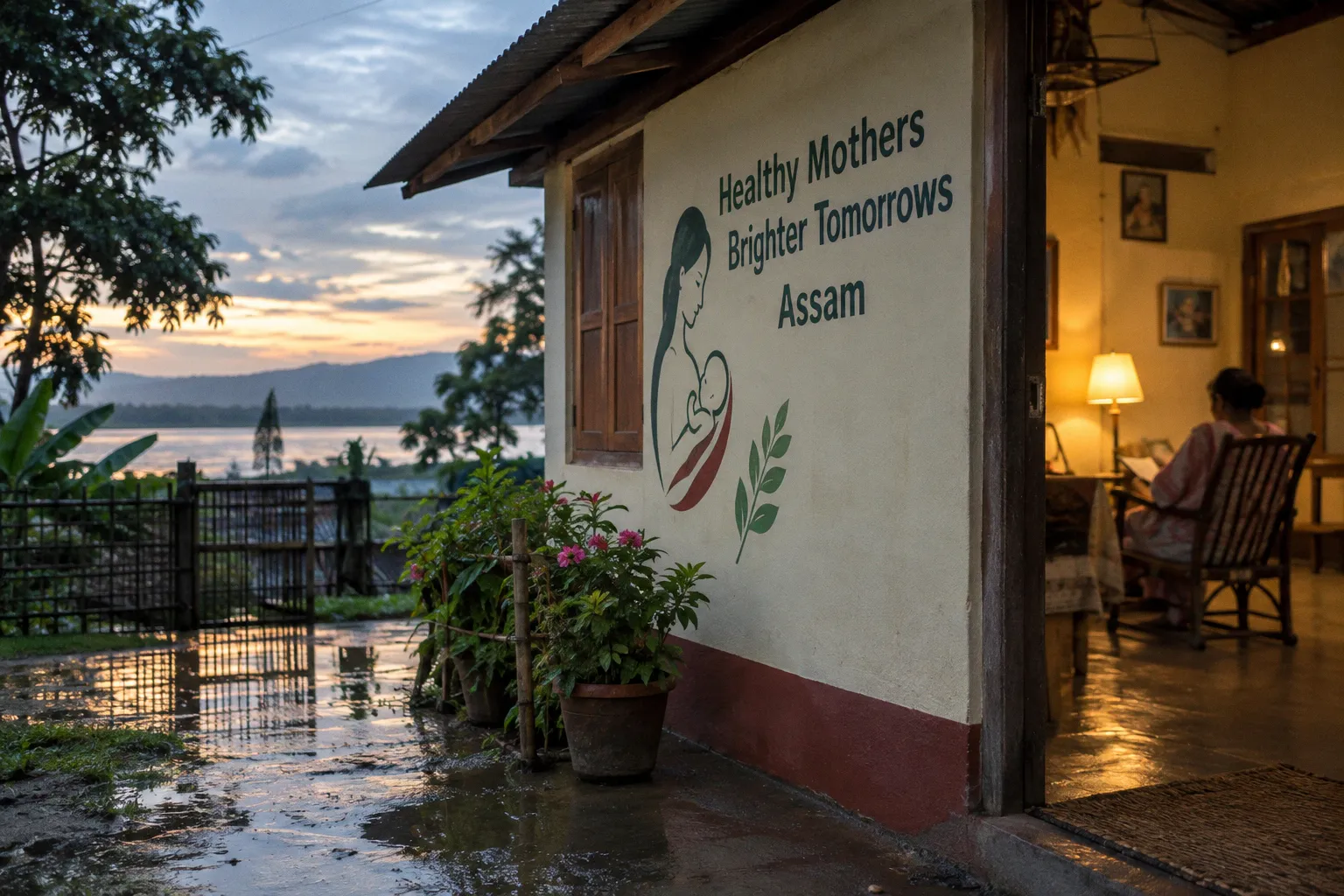
On my last rotation through a community clinic in the Northeast, I sat with a young mother who had travelled over forty kilometres in early labour, terrified she would not reach a facility in time. Her story is the kind that stays with you, and it is exactly why the latest signal from Assam matters more than any single figure on a government dashboard. According to reports carried by Deccan Herald, ThePrint, and Northeast Today, Vice President Radhakrishnan has stated that Assam's Maternal Mortality Ratio has now fallen below the national average, framing the past decade of India's healthcare trajectory as outstanding. For those of us working bedside in this region, that headline carries a weight no policy brief can match.
A Shift Worth Examining Closely
When a state long flagged for elevated maternal risk crosses below the national benchmark, the instinct is to ask how, not just to celebrate. On the ground, MMR movement of this kind usually reflects a layering of interventions: strengthened antenatal contact, functional referral transport, reliable bloodstock at first referral units, and a community health workforce that women actually trust. I have seen each of those variables make the difference between a mother arriving in time and a family quietly arranging a funeral. The Vice President's characterisation, as reported across the wires, suggests that sustained programmatic investment rather than a single campaign has brought Assam into alignment with or ahead of the national figure, a turn worth examining district by district rather than accepting at face value.
What Practitioners and Communities Should Watch
Headline language can drift from lived reality in a sub-centre, and that gap is the one I would urge readers to keep in mind. The encouraging direction does not mean the work is finished; it means the conditions that produce preventable deaths have begun to shift. For clinicians, this is a moment to double down on the unglamorous work: auditing near-miss reviews, ensuring every pregnant woman in your catchment is line-listed and tracked through the sixth postnatal week, and reinforcing the emergency obstetric drills your midwives may have learned in training but rarely rehearse under pressure. For community health workers, the task is to keep the conversation alive with the families who still hesitate, who still weigh distance and cost against the certainty of a safe delivery. And for programme planners, the honest question is which intervention finally tipped the curve, so it can be replicated rather than assumed.
The takeaway I would offer any practitioner reading this is simple. Hold the headline lightly, because policy language often outpaces clinical reality, but let it reinforce the practices you already know work. The mothers who reach your facility alive, and the ones who do not, remain the truest measure of whether this decade's progress has truly arrived in your district.