WHO Prequalification of Multi-Dose RSV Vaccine Vials Transforms Global Infant Protection
The World Health Organization just prequalified a three-dose vial presentation of Pfizer's maternal RSV vaccine (ABRYSVO) — and for supply chains serving low- and middle-income countries, that's the…
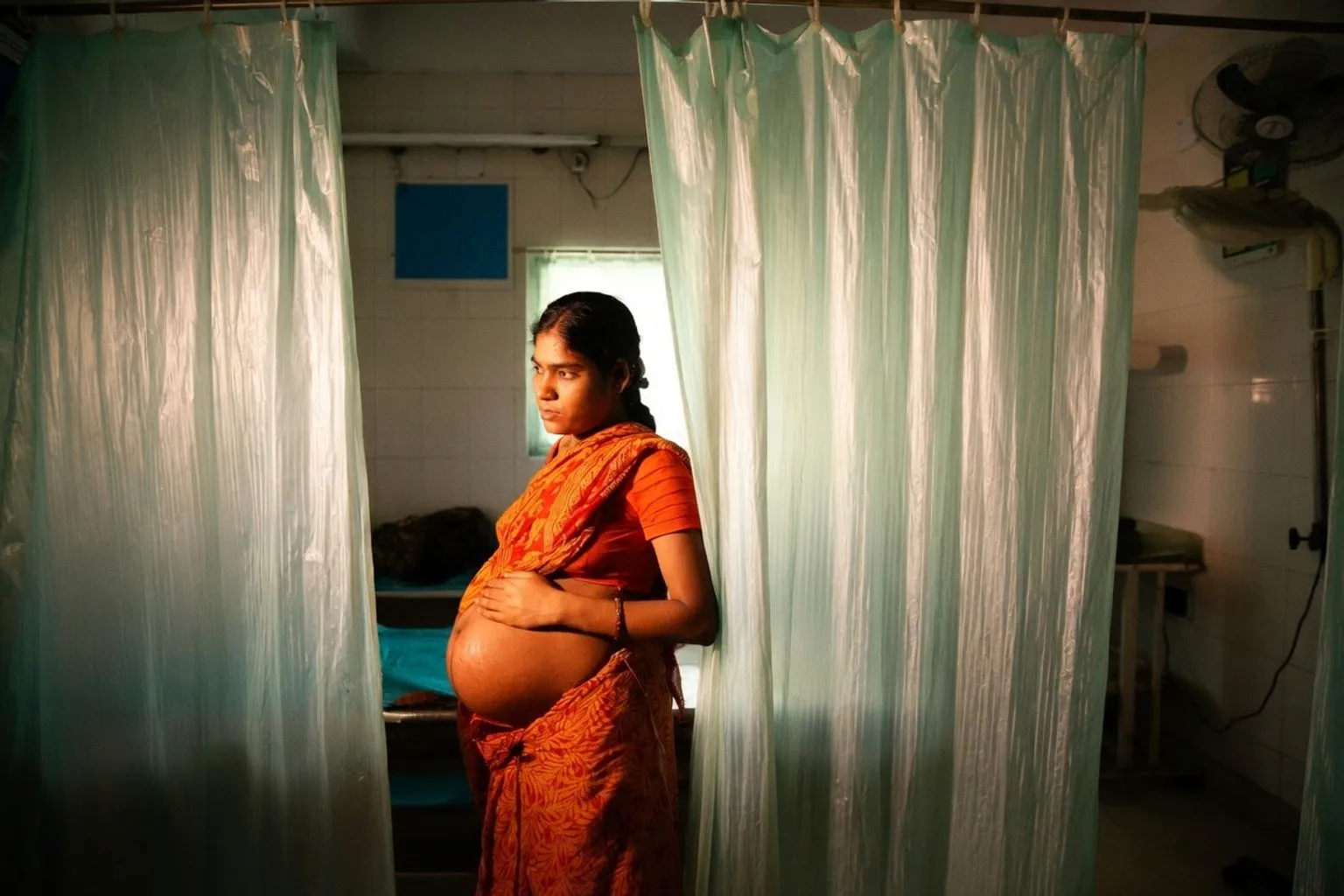
The World Health Organization just prequalified a three-dose vial presentation of Pfizer's maternal RSV vaccine (ABRYSVO) — and for supply chains serving low- and middle-income countries, that's the operational unlock the maternal RSV programme has been waiting for.
Single-dose vials are clean, but they're expensive. Multi-dose formats cut cold-chain cost per protected infant and slash the per-dose wastage that cripples last-mile delivery in districts with patchy ANC coverage. For health systems already running maternal immunisation through existing antenatal platforms, this is the difference between a pilot and a national rollout.
The logistics fix
The bottleneck in RSV maternal immunisation has never been the science. Phase 3 data cited by the European Medicines Agency showed 81.8% efficacy against severe lower respiratory tract disease in an infant's first 90 days, with 69.4% protection sustained through six months. The barrier has been unit cost and vial logistics — exactly what the multi-dose presentation, developed with support from the Gates Foundation, addresses. Prequalified on 9 September 2026, this format is engineered for facilities that batch antenatal visits and share freeze capacity across outreach sessions. Per WHO, RSV drives more than 3.6 million hospitalisations and roughly 100,000 deaths annually in children under five — and almost half of those deaths strike before six months of age, before active immunisation is even an option.
Clinical placement at the ANC visit
WHO recommends the maternal RSV vaccine during the third trimester, from week 28 onwards, to optimise antibody transfer across the placenta. The mechanism is straightforward passive immunity: antibodies cross to the foetus before birth, shielding the newborn through the highest-risk window. For clinics already running the standard ANC package, the integration point is clean — week 28 onwards, sitting alongside tetanus toxoid and the existing maternal schedule. No new visit required. No new cold-chain lane beyond what is already in place.
Roughly 97% of those under-five RSV deaths occur in low- and middle-income countries, with the heaviest burden in settings where children often die at home before reaching a health facility. Maternal vaccination shifts protection upstream to the antenatal contact — the one system touchpoint where pregnant women are already captured.
What to track now
Gavi's Vaccine Alliance board approved a dedicated maternal RSV programme in July 2025, and WHO's prequalification of the multi-dose presentation activates that funding pipeline for the 2026–2030 strategic period. Gavi's Director of Vaccine Programmes, Emily Kobayashi, called the move "an important step towards ensuring that all children, regardless of where they are born, are protected at their very first breath." Eligible low-income countries can now apply for funding to fold maternal RSV into routine immunisation systems.
For maternal and child health programmes watching from India, the operational question is concrete: when multi-dose maternal RSV becomes accessible through global procurement, can existing ANC delivery platforms — ASHA-led outreach, sub-centre antenatal days, PHC scheduling — absorb one more injectable at week 28 onwards? Cold-chain headroom, training refreshers for ANMs, and integration with the routine immunisation microplan are the pressure points.
Watchlist: Gavi country application windows, NITAG recommendations in eligible countries, and continued post-marketing surveillance. EMA authorisation and US post-authorization data already confirm no statistically significant increase in preterm birth rates among vaccinated mothers, but routine monitoring continues.
The science is settled. The supply chain just got cheaper. The bottleneck now shifts from affordability to delivery discipline — and that is a systems problem, not a research one.