Analyzing New CDC Youth Health Data for Local Program Impact
The CDC released the findings this week, and while the headline reads "encouraging," the practical question for clinics and district health officers is simple: which interventions are actually moving…
According to the US Centers for Disease Control and Prevention, new federal data point to encouraging progress in youth health — a signal worth dissecting for anyone running frontline pediatric and adolescent programs. The CDC released the findings this week, and while the headline reads "encouraging," the practical question for clinics and district health officers is simple: which interventions are actually moving the needle, and which are just press releases. Full granular data isn't yet in the public feed, but the direction matters because youth indicators are upstream predictors of maternal outcomes ten years out.
What the CDC release signals
The CDC's framing — "encouraging progress" — implies measurable improvement across at least some core youth health indicators tracked by the agency's surveillance systems. That alone is newsworthy: US adolescent metrics had been flat-to-regressing on multiple fronts in recent years, and any directional shift changes the benchmark conversation. For Indian program managers, the takeaway is not to import US numbers but to pressure-test the underlying categories — mental health screening, immunization uptake, reproductive health service access, chronic disease precursors — against District Level Household Survey findings back home.
- Track which indicator category moved (behavioral, clinical, access).
- Compare the denominator: national survey vs. clinic-level data is not the same fight.
- Watch for the methodology appendix before celebrating — definitions of "progress" vary.
The parallel domestic track
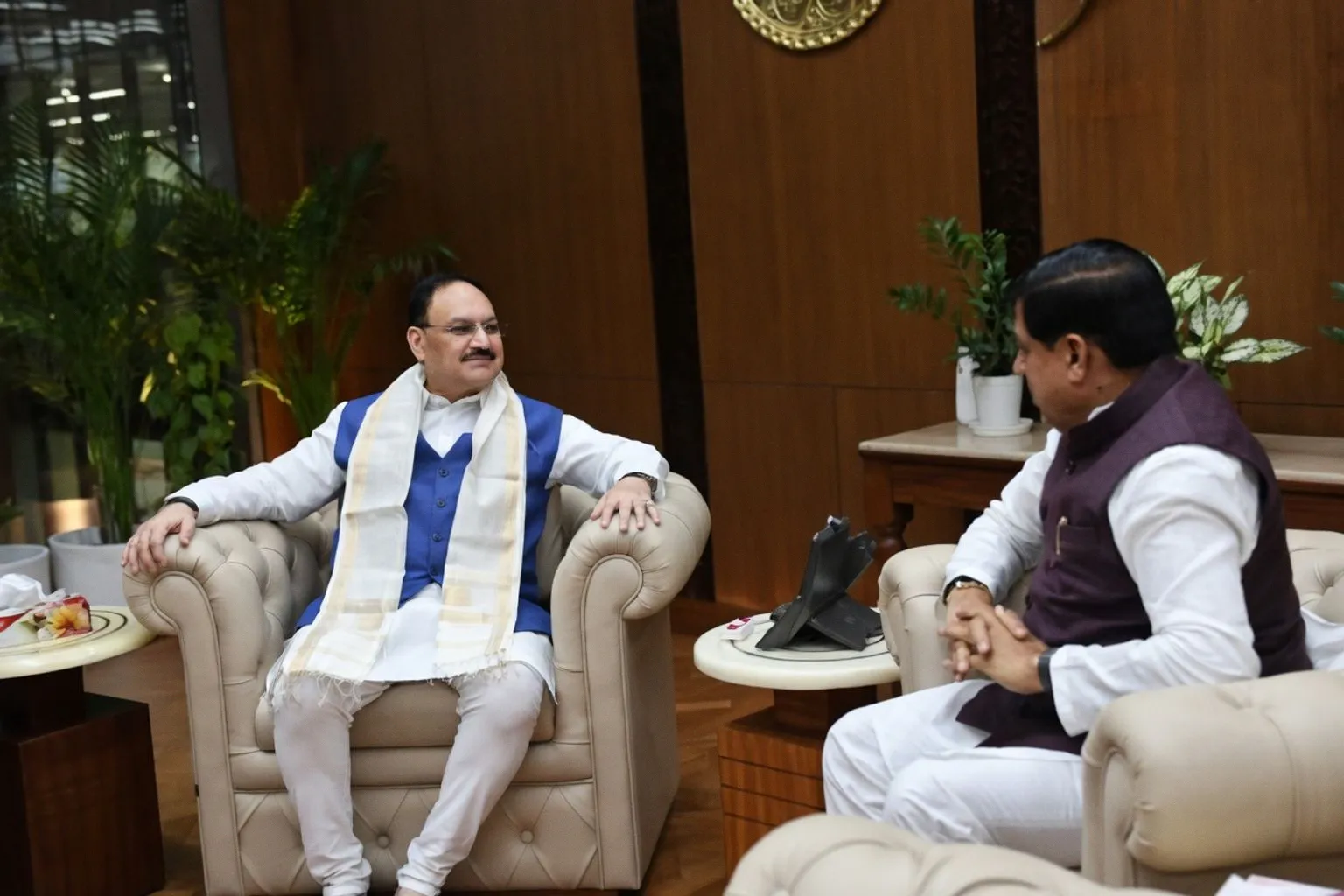
While the CDC release was making US headlines, India's Union Health Minister JP Nadda was in Madhya Pradesh with Chief Minister Mohan Yadav reviewing state-level health sector progress, commending healthcare expansion and the public-private partnership model driving it. Both PIB and News On AIR carried the review, and The News Mill specifically noted praise for the PPP framework alongside education outcomes. The timing is incidental but instructive: federal-state review meetings are where district-level bottlenecks get named, or get buried.
What to watch next
Two threads deserve tracking. First, the CDC's full data release — once methodology and disaggregated numbers land, district health teams can map comparable categories against India's NFHS and DLHS datasets. Second, the Madhya Pradesh PPP outcomes — which facilities, which services, which contracts actually scaled, and whether the model holds in tribal and aspirational districts where infrastructure decay is worst. Without those granular answers, both announcements remain announcements. The clinics on the ground need contracts, cold chain capacity, and staffed sub-centers — not applause.