Bridging Global Policy and Local Care: WHO’s Maternal Health Agenda at UNGA81
According to WHO's published focus areas for UNGA81, the PMNCH event will centre on accountability for financing and for the interventions that safeguard women's, children's, and adolescents' health.
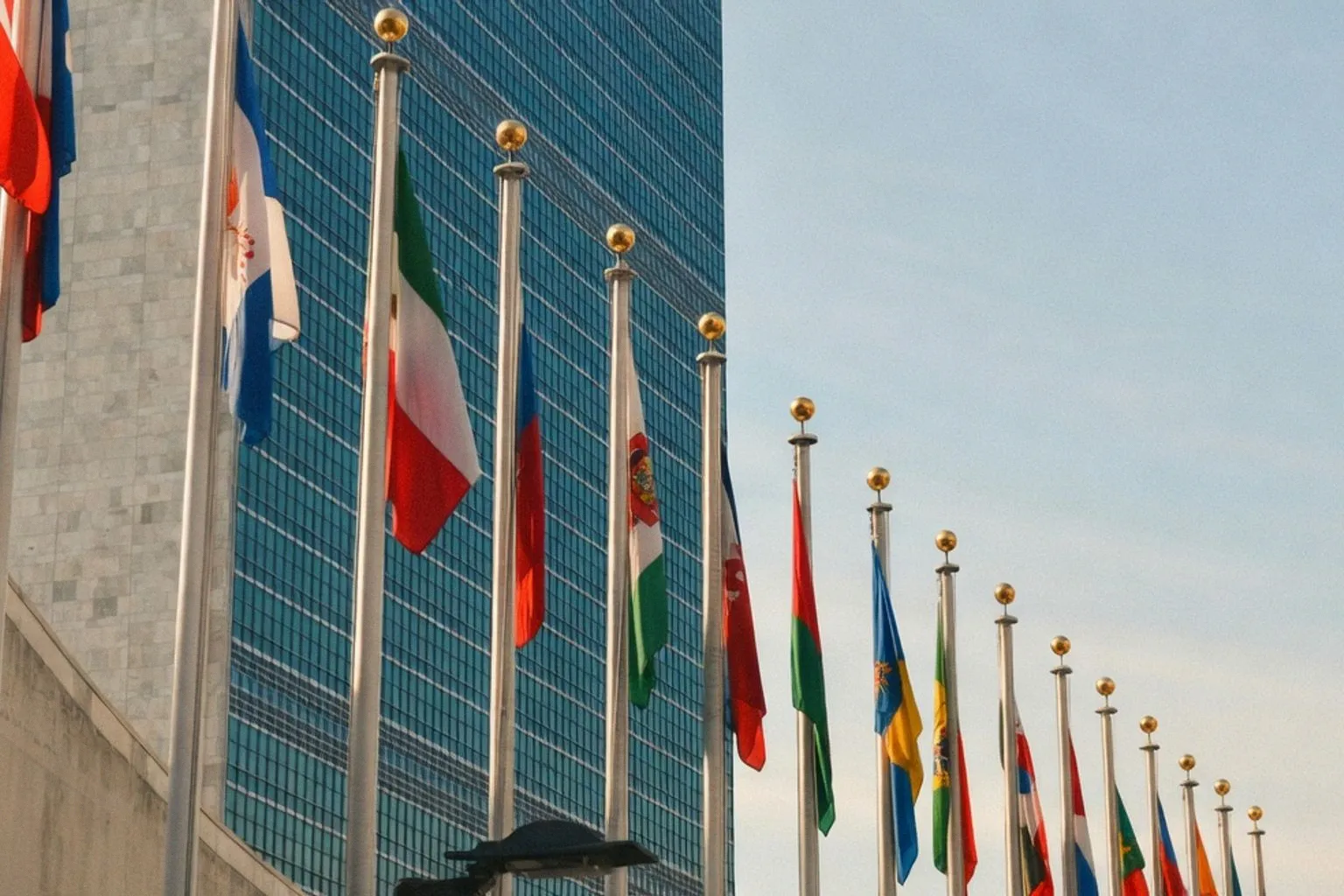
When Global Pledges Reach the Labour Room: WHO's Maternal Health Push at UNGA81
In the weeks leading up to the 81st UN General Assembly, the World Health Organization has placed maternal, newborn, and adolescent health squarely on the global agenda, with the Partnership for Maternal, Newborn and Child Health (PMNCH) convening an Annual Accountability Breakfast on 21 September focused on whether financing and policy commitments are actually translating into safer pregnancies and healthier children. For those of us working in clinics across India — where maternal outcomes still shape the daily rhythm of antenatal care, intrapartum vigilance, and postnatal follow-up — this is not an abstract diplomatic moment; it is a reminder that commitments made in New York filter down, eventually, to the woman arriving at our OPD and to whether she will return home safely with her baby.
What PMNCH Is Putting Under the Microscope
The framing matters. "Accountability" here is not just a donor talking point; it is the practice of asking, at every level from the union health ministry down to the district hospital, whether the money budgeted for maternal health actually reaches the labour room, the ASHA worker, and the blood bank. PMNCH's role has long been to keep governments honest between summit cycles, and this year's breakfast lands at a moment when many low- and middle-income countries — India among them — are navigating shrinking development assistance alongside rising demands on primary healthcare. The other WHO-led conversations running through the same week — sustainable financing for health, climate and health, digital innovation, and pandemic preparedness — all carry indirect weight for maternal services, because every shock to the health system lands hardest on pregnant women and newborns.
A Mirror from Abuja, and What Indian Clinics Can Take From It
A few days earlier, in Abuja, Nigeria's Coordinating Minister of Health and Social Welfare, Prof. Muhammad Ali Pate, launched the next phase of the Maternal and Neonatal Mortality Reduction Innovation Initiative, declaring that no woman should lose her life while giving birth. The parallel with India is hard to miss: Nigeria accounts for nearly 29 per cent of global maternal deaths, and India remains among the countries that carry a comparable share of the burden. The Nigerian approach — strengthening primary healthcare facilities, retraining frontline workers, removing cost barriers through insurance-backed free Caesarean sections, and targeting the local government areas where most deaths occur — maps almost directly onto what we know works in Indian settings, from district-level interventions under the Reproductive and Child Health programme to the expansion of skilled birth attendance and emergency obstetric care. Reports from the launch indicate that more than 60,000 Nigerian women have already received free Caesarean sections through the National Health Insurance Authority, and more than 6,000 women affected by obstetric fistula have received corrective treatment and support — concrete markers of what political will can move when paired with a clear financing path.
What Practitioners Should Watch on the Ground
For those of us in district hospitals, PHCs, and community clinics, the practical question is not whether the UNGA81 declarations make headlines but whether the accountability lens PMNCH is pushing will sharpen the conversations we have at state and block level. Three things are worth tracking over the coming months: whether India's commitments to maternal and adolescent health are renewed with measurable financing attached; whether district-level reviews — the kind that feed into our Reproductive and Child Health surveys — begin to disaggregate adolescent maternal outcomes more clearly, since adolescent mothers remain a particularly vulnerable group in our catchment areas; and whether the "from pledges to progress" framing actually moves budgets into frontline facilities, or stays a press release. The women we see in clinic do not experience global health as a headline; they experience it as whether the referral transport arrived in time, whether the anaesthetist was on duty, and whether someone explained the danger signs in a language they understood. That, ultimately, is the standard by which these international moments should be judged.