Rajasthan Achieves Significant Drop in Maternal Mortality Through Targeted Antenatal Care
Srinivas has reviewed hospital-level maternal deaths across the state and directed targeted antenatal care reviews in Udaipur district, according to UdaipurTimes.
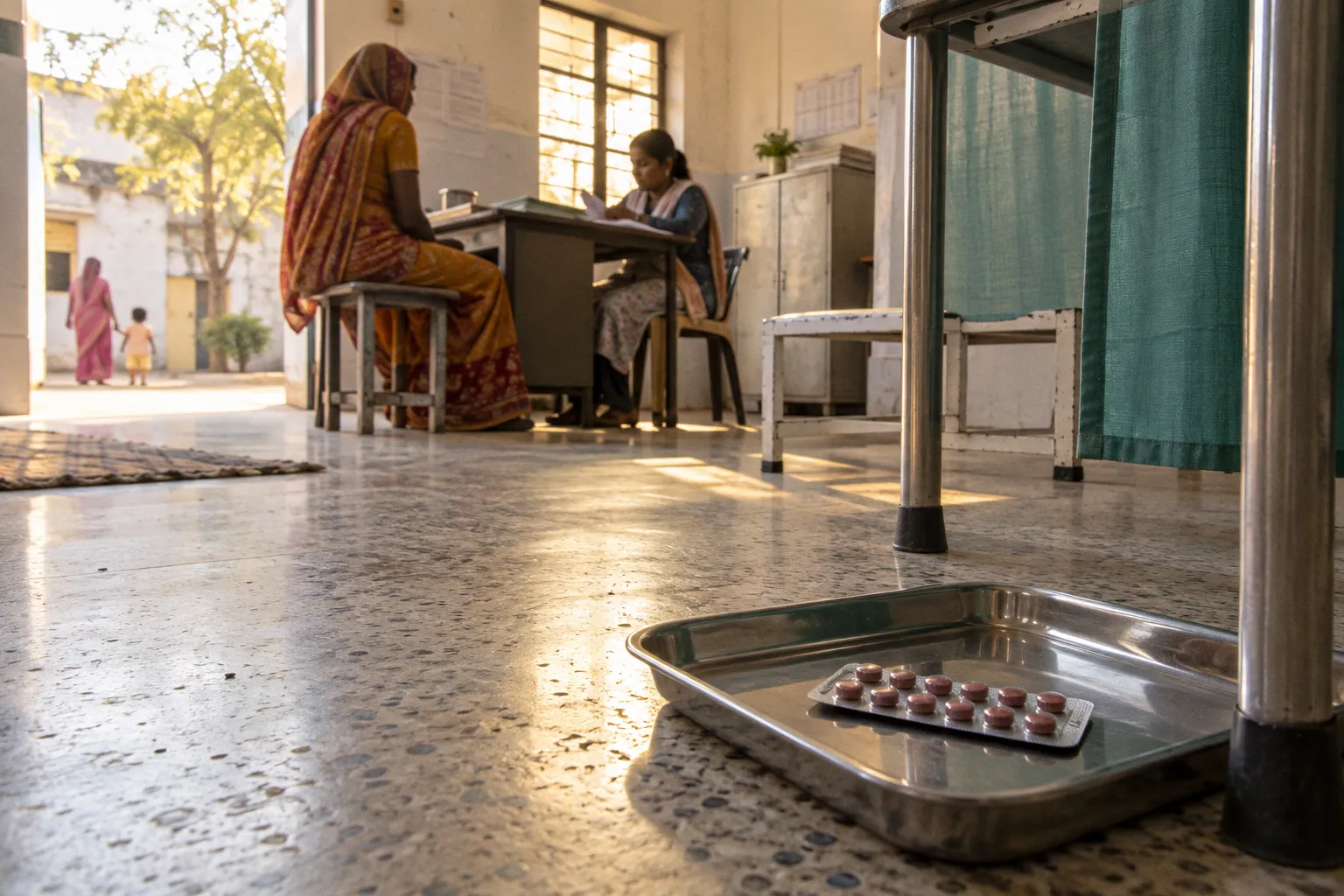
Rajasthan's Chief Secretary V. Srinivas has reviewed hospital-level maternal deaths across the state and directed targeted antenatal care reviews in Udaipur district, according to UdaipurTimes. Officials reported that timely identification of high-risk pregnancies and consistent antenatal follow-ups brought recorded maternal deaths down to 35 in September from 73 in August. For frontline midwives and district health teams, a swing of that size is exactly where the difference between a safe pregnancy and a tragedy is made — in the early booking, the risk flag, and the follow-up that does not slip through the cracks.
Where the change happened on the ground
What stands out to me about this report is that the drop was linked not to a flashy new scheme, but to two unglamorous practices: picking up high-risk pregnancies early, and bringing mothers back through the door for antenatal visits. In my own clinic days, those two habits did more than any poster on the wall. When a woman's first registration happens in the first trimester, we have time to catch anaemia, gestational hypertension, previous caesarean scarring, and the social factors that quietly complicate pregnancy — like distance from a facility or a family that does not yet understand why iron and calcium matter. A review driven by the Chief Secretary's office signals that the state is now looking at the same levers community health officers have been pushing for years, from the sub-centre register to the PHC labour room.
What made the drop possible
The pattern UdaipurTimes describes is the one we tend to see when systems finally close the loop: early ANC registration, a clearly written high-risk score on the case sheet, and a follow-up visit that actually happens before the mother disappears into the third trimester. District-level maternal death reviews work when they are honest and when facilities feed back what they find into the next antenatal clinic day — not when they sit in a register that nobody opens. Targeted review of antenatal care in Udaipur suggests the administration wants to look at the pathway, not just the outcome, which is the right instinct if the September figure is going to hold rather than bounce back in October.
What to watch next
I would keep three things on the bedside list from here. First, whether the September number was a one-month improvement or the start of a trend — maternal death data swings with reporting completeness, so a second and third month of figures will tell us far more than a single drop. Second, whether the targeted review in Udaipur translates into named actions at the sub-centre level: more outreach ANMs, functioning referral transport, and blood storage at the CHC. Third, whether high-risk tagging from the private sector is being captured, because a meaningful share of Udaipur's deliveries still happen outside the public system. For practitioners and programme officers reading this, the practical takeaway is simple — the lives behind that 35-versus-73 gap are the women whose names appeared on a high-risk list and were then seen, on time, at least four times before delivery. That is the standard worth protecting.