Institutional Births in India: A Milestone in Maternal Healthcare Access
The data Data For India has just pulled together feels like a quiet, enormous shift: as of 2021, nearly nine in ten births across India now happen inside a health facility, whether public or private.
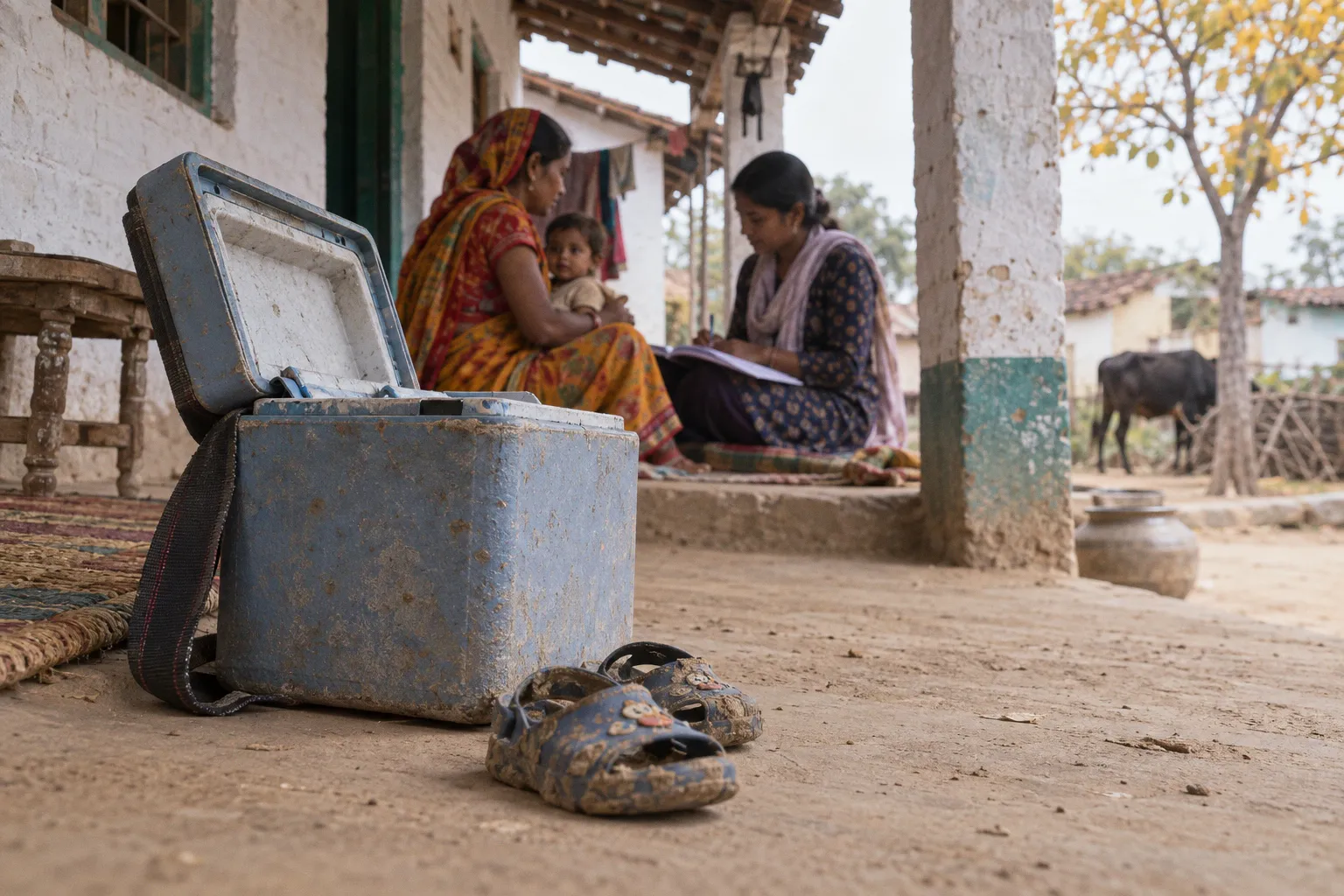
When I first started training as a midwife, the stories I heard from senior nurses were almost unimaginable by today's standards — women labouring alone at home, kilometres from the nearest clinic, with no skilled hands to catch a baby or manage the first crisis. The data Data For India has just pulled together feels like a quiet, enormous shift: as of 2021, nearly nine in ten births across India now happen inside a health facility, whether public or private. That single line reshapes how I think about the work still ahead of us — because the headline number, however hopeful, hides the geography of who is still left outside the door.
The long road from 1993 to 2021
Three decades ago, the picture told a very different story. In 1993, only about a quarter of Indian births took place in a public or private health facility. By 2021, that figure had climbed to roughly 90 per cent, and a striking share of that progress came from rural districts — the very settings where, in my early years, a dai or a family member was often the only attendant in the room.
Some states tell a particularly remarkable arc. In Rajasthan and Odisha, institutional deliveries hovered around one in ten in the early 1990s; by 2021, they had crossed nine in ten. Tamil Nadu and Kerala now report the highest levels of institutional births among the larger states. The point is not simply that more women are walking through a hospital gate — it is that the system, however imperfectly, has reached into villages where reaching a labour room at all was once a logistical impossibility.
Where the gaps still live
If I sit with this data the way I sit with a patient, the averages start to fray at the edges. In five states — Arunachal Pradesh, Bihar, Jharkhand, Meghalaya and Nagaland — more than one in five deliveries were still happening at home as of 2021. Among the poorest rural households nationally, the figure climbs even higher: more than a quarter of births still occur outside any facility.
This is the part the headline misses. A facility birth matters because childbirth can turn dangerous without warning, and skilled personnel with access to emergency obstetric care can be the difference between a healthy mother and a preventable death. Public facilities carry the weight of most of these deliveries, especially in rural India, which means the staffing, equipment and referral pathways inside those buildings are not a peripheral concern — they are the front line.
What I am watching next
From the clinic floor, the questions I keep asking are not really about the 90 per cent. They are about the remaining 10. Which districts still lack functional referral transport at night? Which primary health centres are nominally staffed for obstetric emergencies but running on a single nurse? Which schemes — cash transfers, ASHA incentives, conditional maternity benefits — actually reach the woman who would otherwise have delivered on a kitchen floor?
The Data For India analysis points readers toward a closer look at the determinants of maternal mortality, and I would urge anyone working in community obstetrics to sit with it carefully. We have crossed a threshold, but a threshold is not a destination. The women still birthing at home are not statistics — they are the next referral, the next ambulance call, the next hand we need to reach.