India Unveils SUMAN Roadmap 2030 to Eradicate Preventable Maternal and Newborn Deaths
India's Ministry of Health and Family Welfare has unveiled the SUMAN Roadmap 2030, a strategic framework designed to bring the country's maternal mortality ratio below 70 per 100,000 live births by 2030 and eliminate preventable maternal and neonatal deaths.
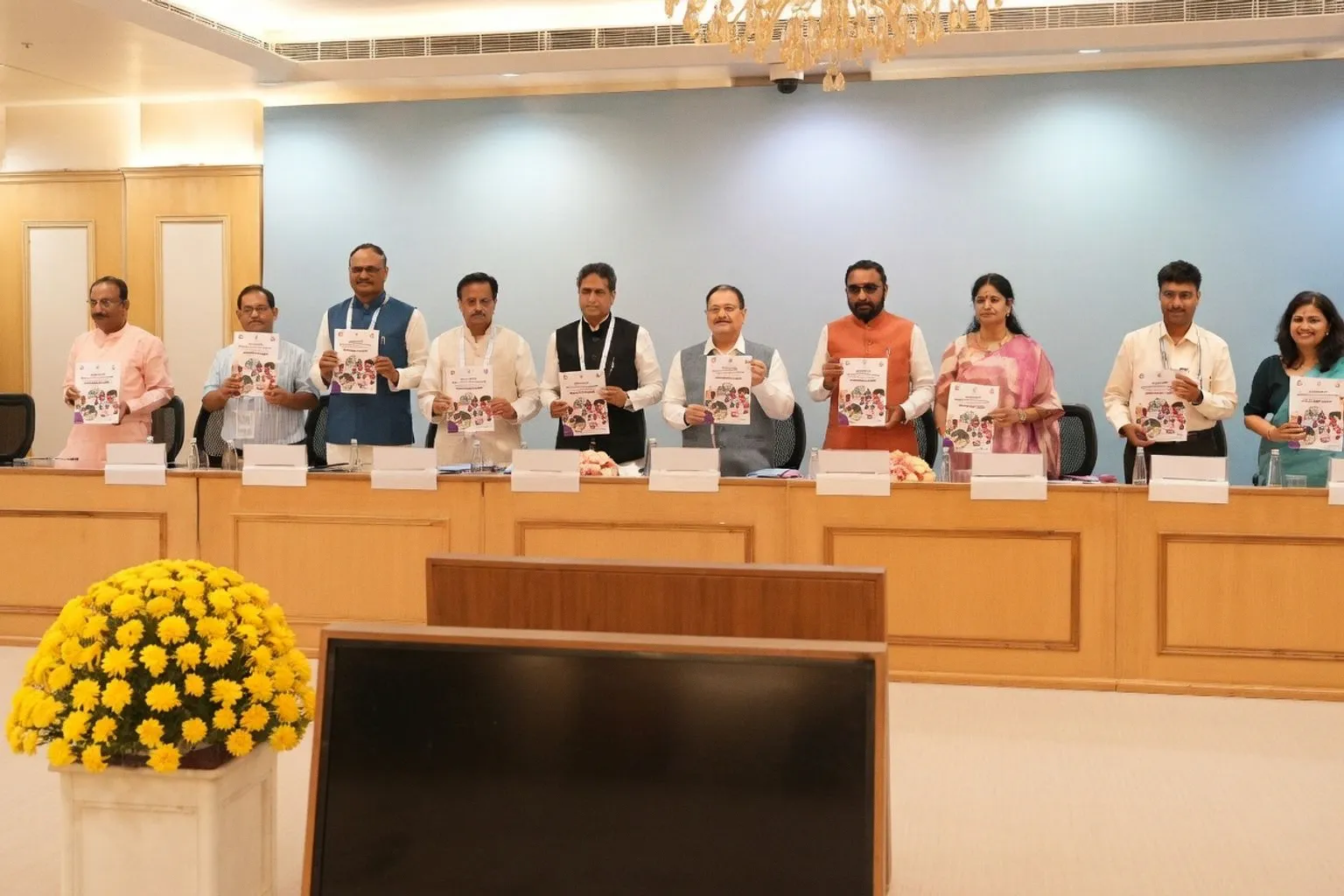
Union Health Minister Jagat Prakash Nadda launched the initiative at the 16th Conference of the Central Council of Health and Family Welfare, framing it as the next chapter in India's Reproductive, Maternal, Newborn, Child and Adolescent Health plus Nutrition (RMNCHA+N) programming. For the frontline midwife, this roadmap signals the most ambitious set of district-level commitments we have seen — and the ones we will, quite rightly, be held to.
What the roadmap actually proposes
The framework takes a life-cycle approach, stretching from pre-pregnancy through childbirth and into the postnatal window, rather than treating each phase as a siloed programme. It prioritises early pregnancy registration, comprehensive antenatal care, institutional delivery and structured postnatal follow-up — the four pillars that, in my years on the ward, most reliably close the gap between a woman walking into a clinic and a woman walking home with her baby.
For high-risk pregnancies, the roadmap sharpens surveillance and referral pathways across every trimester. ASHA workers are directed to make bi-weekly home visits during the final months of pregnancy — an intervention that, when done consistently, catches the warning signs that often go unspoken: swelling that started last week, bleeding that was brushed off, a foetus that simply stopped moving. Referral transport is to be strengthened, and Birth Waiting Homes, Maternal and Child Health Wings, and Obstetric High Dependency Units are planned for underserved areas — the kind of infrastructure that turns a three-hour delay into a survivable journey.
Where the pressure will land
The roadmap singles out 130 districts across 13 high-focus States — Assam, Bihar, Chhattisgarh, Haryana, Jharkhand, Karnataka, Madhya Pradesh, Odisha, Punjab, Rajasthan, Uttar Pradesh, Uttarakhand and West Bengal — for targeted interventions. These are the districts where the burden of maternal and neonatal mortality remains heaviest, and where the difference between a functioning referral chain and a broken one is still measured in lives lost.
At the same time, every State and Union Territory is expected to roll out a wider set of measures: folic acid supplementation for pre-pregnancy care, expanded nutrition interventions to address maternal anaemia, wider deployment of non-pneumatic anti-shock garments for obstetric haemorrhage, AI-enabled labour rooms, and digital monitoring through the JANANI Portal. There is also a commitment to climate-responsive planning for pregnant women and newborns — a recognition, long overdue in policy documents, that heatwaves and erratic monsoons are no longer background conditions but clinical variables.
What we should be watching on the ground
For practitioners, the practical questions begin now. Will the centralised SUMAN Call Centre function as a genuine grievance redressal line, or become another recorded-message loop? Will the SUMAN Panchayat model translate into real community ownership, or remain a checklist exercise? Will the financial assistance planned for caregivers during the postnatal period actually reach the woman it is meant for, or stall at the sub-centre level?
What I would urge every district officer and facility in-charge to do, in the coming weeks, is read the roadmap against their own maternal death audit reports. Where do the deaths cluster — at home, in transit, in the labour room, in the first forty-eight hours after discharge? The roadmap names the right tools, but only district-level ownership will turn those tools into outcomes. The next four years will be judged not by what was launched in 2026, but by what a woman in a tribal block in Odisha, or a first-time mother in rural Bihar, actually experiences when she reaches for care.