Chandigarh Nutrition Drive: Assessing the Impact of Community Outreach on Child Health
According to India News Calling, frontline health workers and Anganwadi staff in Chandigarh ran community-level outreach sessions under the 9th Rashtriya Poshan Maah, pushing maternal dietary hygiene…
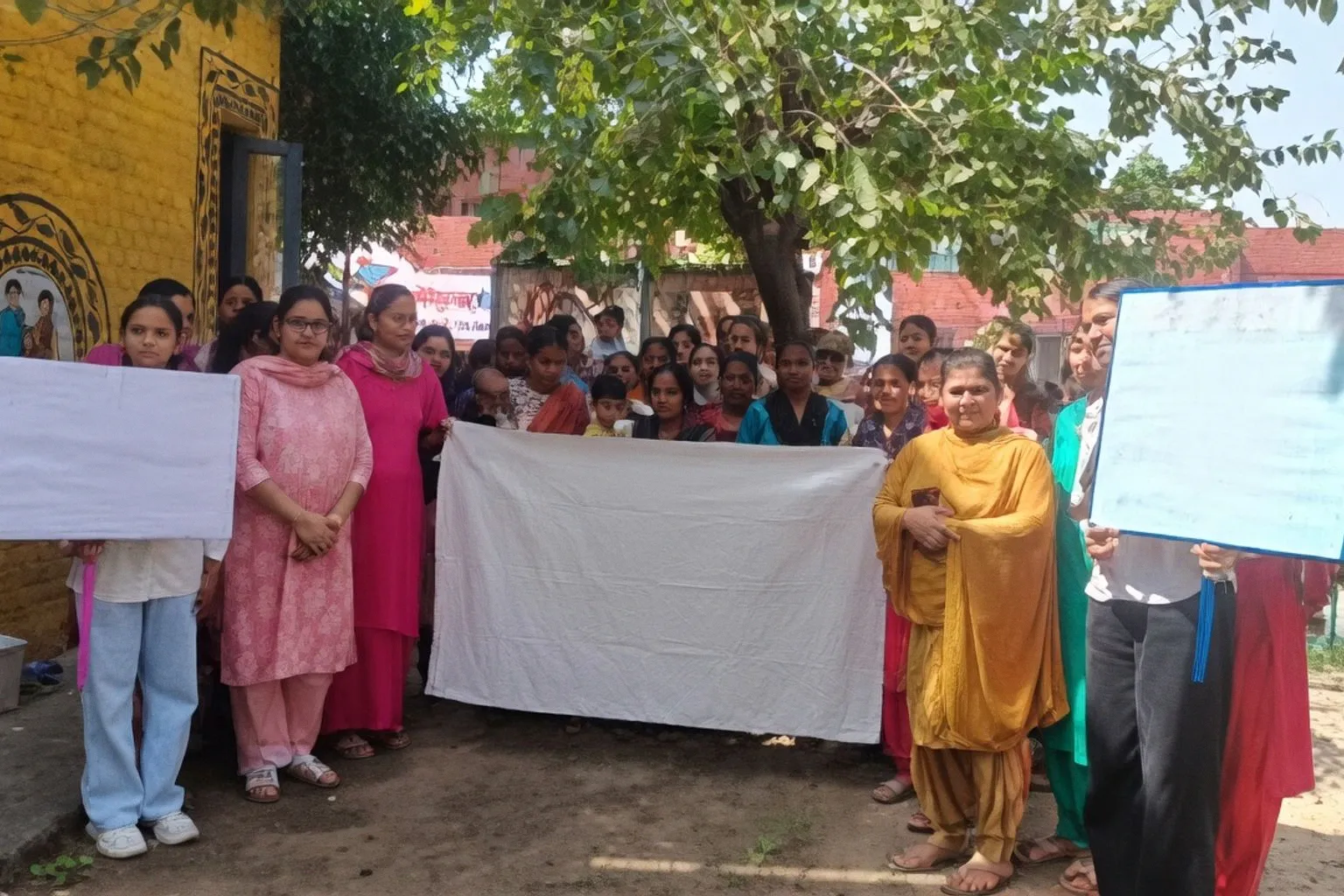
According to India News Calling, frontline health workers and Anganwadi staff in Chandigarh ran community-level outreach sessions under the 9th Rashtriya Poshan Maah, pushing maternal dietary hygiene and the consistent serving of hot cooked meals to young children. The sessions targeted mothers and caregivers with a clear operational aim: cut pediatric gastrointestinal illness and shore up early childhood development at the household level. For anyone tracking India's nutrition delivery stack, this is the node where policy either reaches a child's plate or dies in a register.
Where the System Actually Breaks
The Anganwadi network is the last-mile logistics layer for supplementary nutrition — the point where wheat, pulses, eggs, and Take-Home Rations either land in a caregiver's hands or don't. Awareness drives like the Poshan Maah push are useful only insofar as they pressure-test that final leg. Without functioning cooking infrastructure, clean water at the household level, and reliable THR supply lines, a hygiene lecture is theatre. The campaign's real value isn't the messaging; it's whether it surfaces the choke points — staff shortages, fuel gaps, ration stock-outs — that keep hot meals from reaching the children they're meant for.
What to Track in Chandigarh
For practitioners and program watchers, the next sixty days are the audit window. Three signals matter:
- Pediatric GI admission trends at Chandigarh's PHCs and CHCs — a sustained drop during Poshan Maah would indicate the messaging translated into behavior change at home.
- Anganwadi meal attendance and THR distribution rates — published monthly; deviations from baseline tell you whether the supply chain held or thinned out.
- Reported stock-outs or cooking-fuel interruptions — the structural bottleneck that no awareness session can fix.
If those three indicators move in the right direction, the outreach earned its keep. If they don't, the problem isn't communication — it's infrastructure, and it needs a different tool entirely.