Bridging the Gap: How Global Health Leaders Translate Political Pledges into Local Care
According to the Partnership for Maternal, Newborn and Child Health (PMNCH), focal points in the Global Leaders Network for Women’s, Children’s and Adolescents’ Health have met to examine how commitments by Heads of State are becoming action within countries.
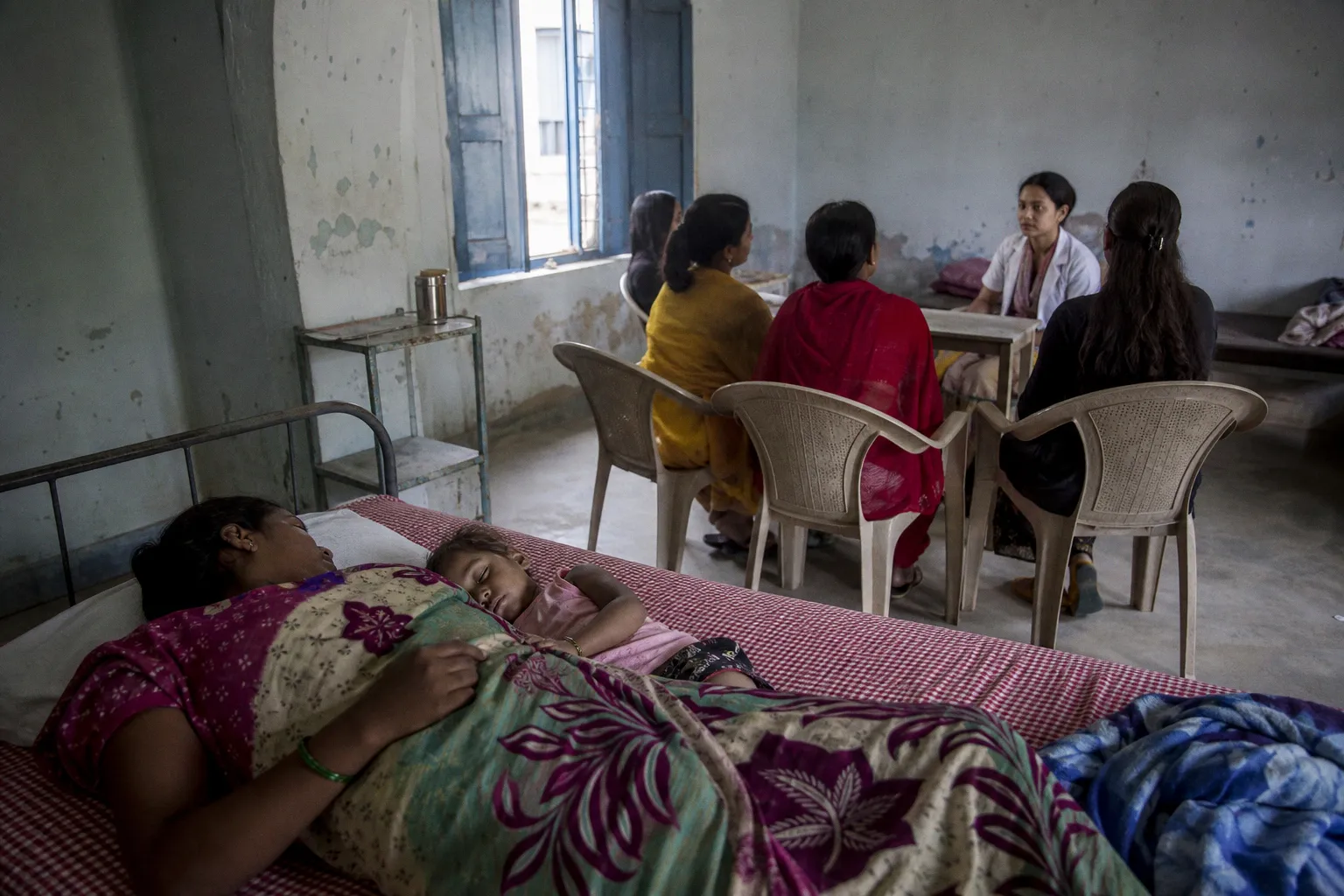
From the clinic floor, this is the part of a political conversation that matters most: whether a promise eventually changes the care pathway for a pregnant woman, a newborn, or an adolescent seeking reproductive healthcare.
The discussion centred on domestic financing, stronger primary health care, universal health coverage, maternal and newborn survival, and protection of sexual and reproductive health services. These are broad priorities, but they are also the everyday foundations of safe, continuous care.
Political commitment has to reach the district
PMNCH describes a network that has grown from its two founding members, South Africa and Denmark, to include twelve sitting Heads of State and Government. Its focal-point meeting looked at the practical work of translating high-level leadership into national action, with an emphasis on health sovereignty, mutual accountability and South-South collaboration.
For those of us working with families, the important question is not simply whether maternal health appears in a national speech or strategy. It is whether the local system can identify gaps early, direct resources to the places that need them, and keep services available across pregnancy, birth and the postnatal period.
Malawi’s use of geo-mapping was highlighted as one approach intended to help authorities find gaps in maternal and newborn care and target resources. Sierra Leone reported encouraging early outcomes from its Triple Zero campaign, linking stronger accountability with reductions in maternal and child mortality. These examples do not offer a ready-made template for every setting, but they underline a familiar truth: district-level information and accountability are where policy begins to become care.
Workforce and financing remain the practical test
Kenya’s presidential launch of the Every Woman Every Newborn Everywhere Acceleration Plan was accompanied, PMNCH says, by domestic financing commitments and the recruitment of 5,000 nurses and midwives. For maternity services, staffing is not a side detail. It shapes whether women can be assessed promptly, whether concerns are heard before they become emergencies, and whether newborn care is available when it is needed.
The meeting also pointed to a more difficult global context: shrinking development assistance alongside growing challenges to sexual and reproductive health and rights. That makes reliable public financing and resilient primary care especially significant. A service that depends on a short-term initiative may help today; a service embedded in routine care pathways has a better chance of being there at the next antenatal visit and the next birth.
Spain joined the network as its newest member, reaffirming a commitment to women’s, children’s and adolescents’ health and to international solidarity.
What patients and practitioners should watch for
This meeting does not announce a new individual entitlement, clinical protocol or service package for patients in India. Families should therefore be cautious about treating broad political commitments as an immediate change in what a nearby facility can provide.
On the ground, clinicians and community health teams can use this moment to ask focused questions: are referral pathways for maternal and newborn care clear; where are service gaps being recorded; and are workforce and financing commitments reaching primary-care settings as well as larger hospitals? For patients, the most useful next step remains practical—ask your local care team what services, referral options and follow-up support are currently available, rather than assuming that a national or global announcement has already changed access.