Haryana Launches SAMRIDDHI Portal to Digitally Track Every Pregnancy
In a move that has quietly caught the attention of frontline workers like me, the Haryana government has announced that every pregnant woman in the state will now be tracked through a new portal…
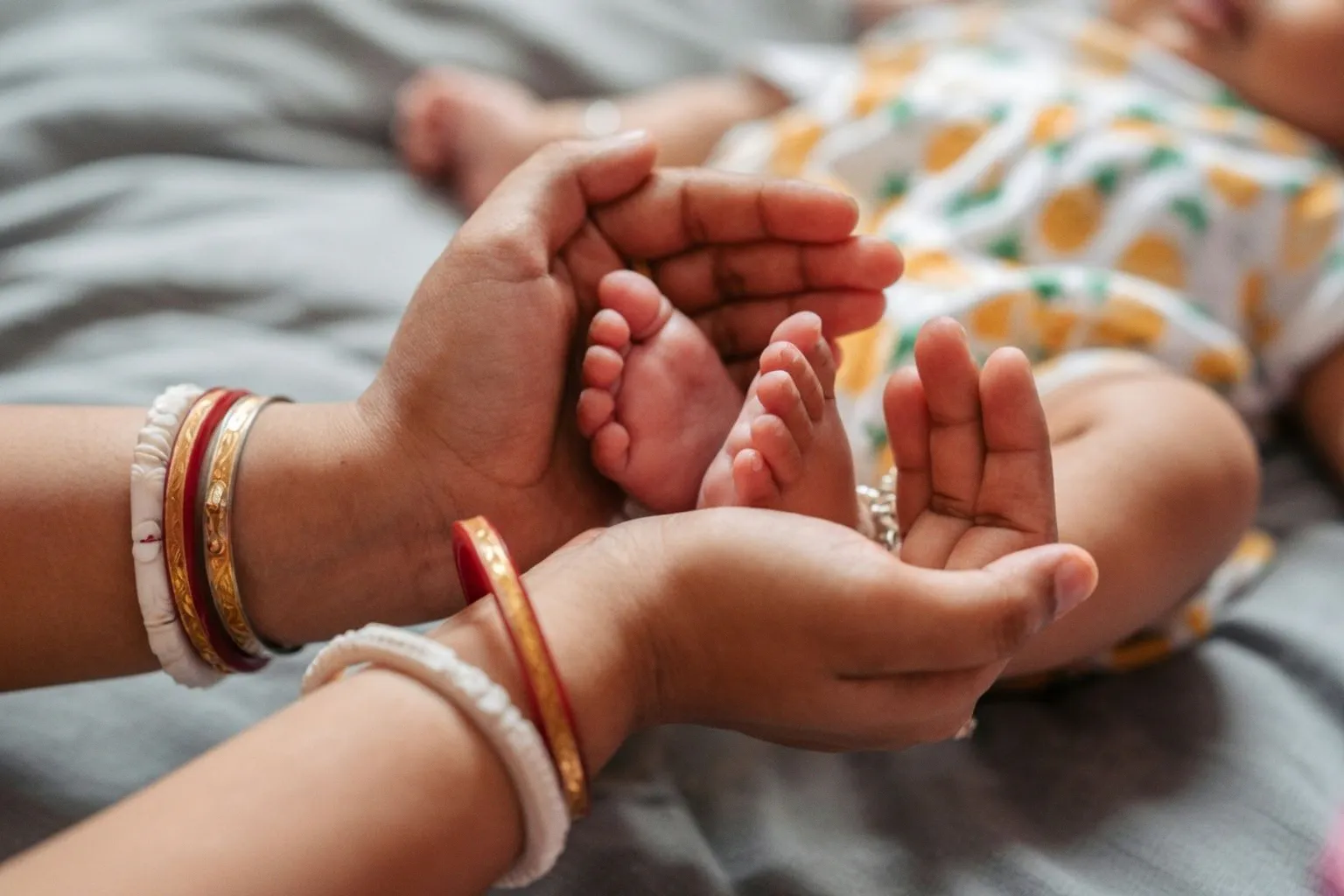
Haryana bets on a single digital thread to follow every pregnancy from registration to postpartum
In a move that has quietly caught the attention of frontline workers like me, the Haryana government has announced that every pregnant woman in the state will now be tracked through a new portal called SAMRIDDHI — short for Systematic Assistance, Monitoring and Referral for Improved Delivery and Health Interventions. As reported by The Tribune, Chief Minister Nayab Singh Saini declared the initiative alongside a state-level command centre and a dedicated 102 Maternal and Child Health Call Centre, all wired together so that a woman's record is visible whether she walks into a sub-centre, a district hospital or a private facility. For those of us who have spent years stitching together handwritten registers and chasing patients between ANC visits, the idea of one continuous thread is significant.
What the system actually does on the ground
The mechanics, as described by officials, are straightforward in design but ambitious in scope. Every pregnant woman in Haryana will be compulsorily registered and issued a unique SAMRIDDHI ID, which then carries her health record across government hospitals, private hospitals and medical colleges. On paper, this is exactly the kind of continuity I have wished for in my own caseload — a woman who books her first trimester at a PHC in Karnal and ends up delivering at a medical college in Rohtak should not have to repeat her history, her haemoglobin trends, her blood pressure readings, or her risk flags.
The platform is built to do three things that matter clinically. First, it flags high-risk pregnancies early — anaemia, gestational hypertension, previous caesarean, bad obstetric history — and pushes alerts and reminders to Auxiliary Nurse Midwives, doctors and district health officials about upcoming examinations, expected delivery dates and follow-ups. Second, monitoring frequency increases as the estimated delivery date approaches, so that complications are caught before they become emergencies. Third, the 102 call centre, staffed by trained nurses, provides counselling, risk assessment and referral support; if a high-risk condition surfaces during one of those calls, it is uploaded to the portal and routed to the command centre for action.
Why this matters now, and what to watch
The timing is not accidental. Haryana's Maternal Mortality Ratio, according to the health ministry's Sample Registration System bulletin cited in The Tribune, declined from 106 maternal deaths per one lakh live births in 2018-20 to 89 in 2020-22, but held steady at 89 in 2021-23. Most of those deaths, as any midwife will tell you, trace back to the same triad — delayed recognition of danger signs, weak referral pathways, and women slipping through the cracks between antenatal and intrapartum care. A digital backbone that names every pregnancy and refuses to let it go dark between visits addresses precisely that gap, at least in theory.
For practitioners in the state, the practical questions are familiar ones. Will ANMs actually receive the alerts on time, and will they have the supplies and referral transport to act on them? Will private practitioners be mandated to update the portal, or will compliance remain voluntary, creating fragmented records? And will women in the hardest-to-reach blocks — migrant families, those in remote Sirsa or Nuh pockets — be captured in registration drives, or will the digital net still miss the very women it is designed to protect?
What I will be watching, from the clinic side, is simple: whether a SAMRIDDHI ID translates into a woman being called, examined and referred when she actually needs it — not just a row in a database. Digital monitoring is only as compassionate as the human hands that respond to its alerts, and Haryana's next chapter of maternal health will be written in those quiet, follow-up phone calls and home visits.