Haryana Targets Maternal Mortality Reduction Through Mandatory Antenatal Screenings
As reported by The Times of India, Haryana is setting its sights on driving the maternal mortality ratio below 85, with mandatory pregnancy checkups positioned as the lever for that change.
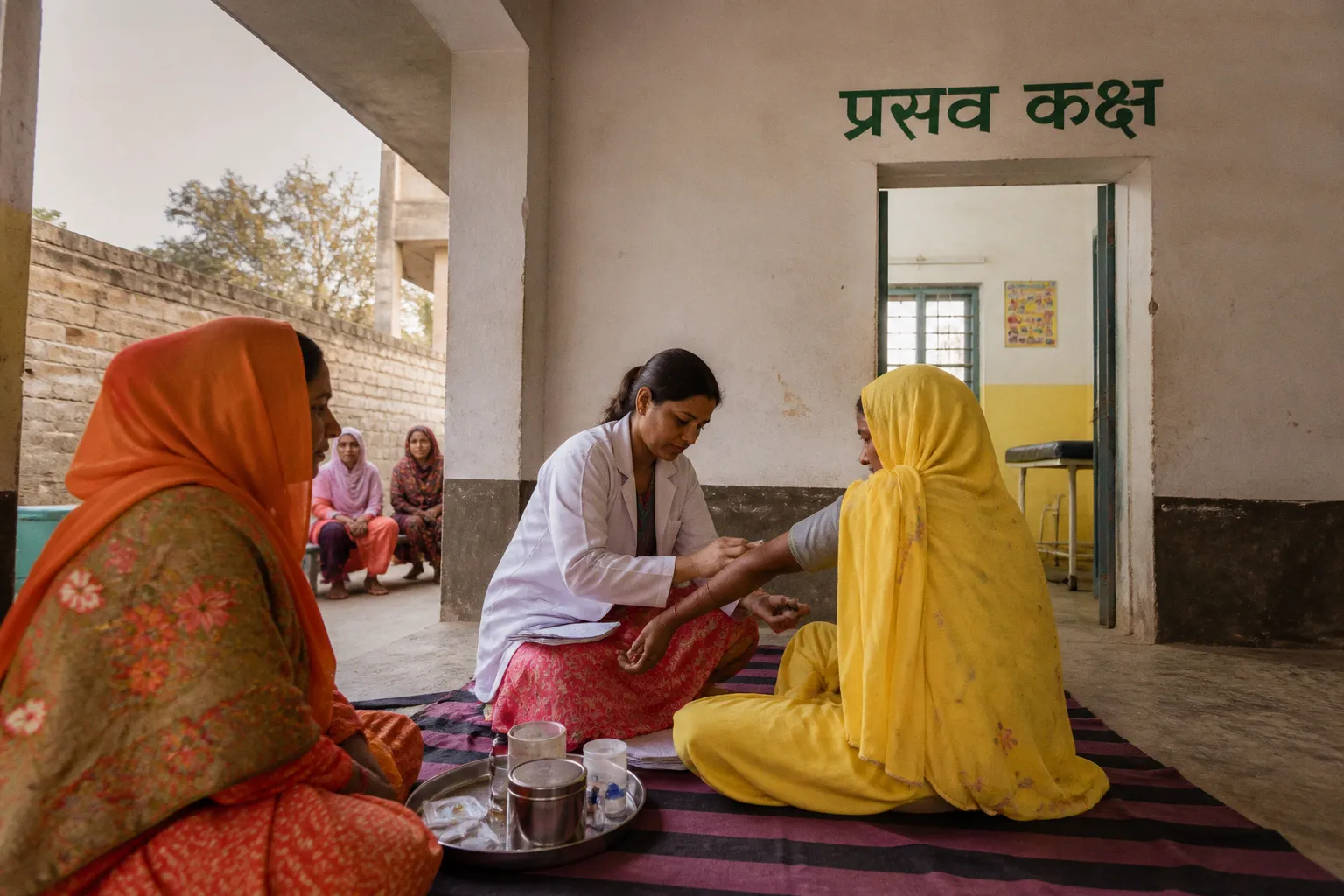
Haryana's Push to Bring MMR Below 85: What Mandatory Pregnancy Checkups Could Mean on the Ground
For anyone working inside an antenatal OPD, that headline reads less like an announcement and more like an instruction the system has been waiting years to receive — because in my experience, the women we lose are almost always the ones who arrive without one.
Why this threshold feels different on the ward
A target below 85 is not a round number, and making it real depends entirely on the checkups behind it. The state's strategy, as described in the report, leans on compulsory pregnancy visits because that is exactly where the gap lives in clinical practice. Late registration, missed appointments, and the silent interval between a positive pregnancy test and the first clinical touchpoint are where complications quietly gain ground. Making those visits mandatory, in principle, means the woman enters the system before her body tells her something is wrong — and that is the single biggest clinical shift any antenatal programme can ask for.
What frontline workers will be watching
Policy direction matters, but on the ward it is the implementation that decides whether a target sheet becomes a discharge summary. Practitioners across Haryana will be looking closely at how the mandatory framework is communicated to women in the earliest weeks of pregnancy, whether it is reinforced through community health worker visits rather than only at the facility level, how high-risk pregnancies are flagged and referred once a woman is inside the system, and whether the private practitioners who see a significant share of antenatal patients are pulled into the same pathway. None of this is in the headline, but all of it will decide whether the policy moves the needle.
What this means for the woman walking through your door
For pregnant women in Haryana, the practical implication is straightforward: expect to be contacted early, registered quickly, and seen on a schedule rather than waiting for symptoms to force a visit. For practitioners, the message is just as clear — every first contact is now an opportunity the system is counting on us not to waste. The real measure of this plan will not be the number on the target. It will be whether the next woman who walks through our door has already been seen, weighed, counselled, and listened to before she meets us for the first time.