Kenya Commits Billions to Overhaul Maternal and Newborn Healthcare Services
In Kenya, where roughly sixteen women still die every day from pregnancy-related causes, the government has just committed billions of shillings to rebuild what every midwife already knows is broken: the first hours of care.
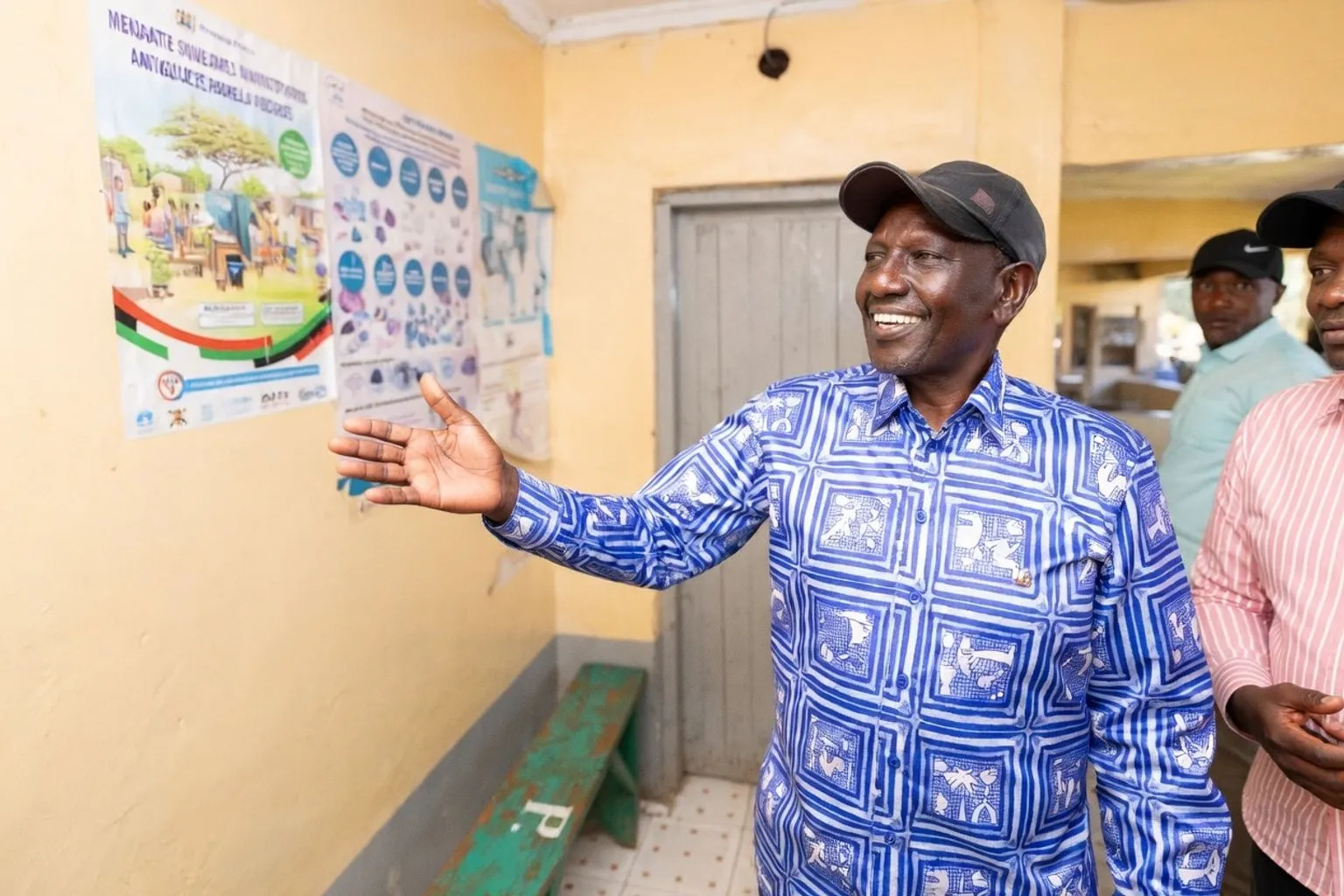
Speaking at the foundation stone laying for the Chebunyo Amsons Mother and Baby Hospital in Bomet County last weekend, President William Ruto outlined a package that includes an additional Ksh 4 billion through the Social Health Authority for pregnant women, Ksh 1 billion for maternal and newborn commodities, and Ksh 2.5 billion for family planning services. On the ground, that translates to staffing — 5,000 nurses and midwives are to be recruited and deployed across the country.
Where the gap actually sits
The figures Ruto shared cut to the bone of the problem. Fewer than half of Kenya's health facilities offer maternity services, and only about a third provide emergency obstetric care. From a clinician's vantage point, that means most women in rural and semi-urban belts are still negotiating geography, transport costs, and referral delays before they ever meet a skilled birth attendant. The financial pledges address one layer of that pipeline; the workforce plan is meant to address another.
Infrastructure that follows the workforce
The Chebunyo facility, planned as a Level 4 hospital with 200 to 250 beds, will offer antenatal care, maternity services, obstetric intensive care, postnatal and newborn care, a neonatal intensive care unit, dedicated maternity and neonatal theatres, an isolation unit, a mothers' hostel, and on-site pharmacy and health information services. It is the first of ten mother and baby hospitals under the Mama na Mtoto Kwanza Initiative, supported by a roughly $35 million (approximately KSh 4.5 billion) grant from the Amsons Group.
Ruto acknowledged openly that hospitals without adequate staffing, medicines, functional equipment, and recurring financing are simply walls, and that the government's response has to cover all those foundations together — facilities, workers, essential medicines, information systems, financing, governance, and quality service delivery, as one continuous chain rather than separate line items.
What this signals for our own corridors
Reading this from a clinic corridor here, I keep returning to the architecture of the commitment. Financing is targeted at the pregnant woman herself, commodities are ring-fenced, family planning is protected as its own stream, and a workforce plan is bolted on. For district health teams and state maternal health programmes watching from this side of the Indian Ocean, the question is not whether our rupee figures match, but whether our own allocations follow the same logic — woman first, then commodities, then the people who actually deliver the care.
What I will be watching next is whether the recruitment translates into actual deployment in the rural sub-counties, and whether the SHA funds reach women without the friction of new paperwork and new eligibility checks. Those two details will tell us whether this announcement becomes a turning point or another well-laid foundation stone.