Probiotics for Gut Health: A Practitioner's Guide to Finding the Right Fit
Navigating the supplement aisle can feel overwhelming when you are trying to support your microbiome. Here is a compassionate, evidence-based look at formulations that bridge the gap between complex science and everyday wellness.

Every day in community clinics, I sit across from individuals who are navigating the complex, often frustrating intersection of digestive distress and overall well-being. When we discuss reproductive and maternal health, the conversation almost inevitably loops back to the gut microbiome—a foundational ecosystem that influences everything from nutrient absorption to systemic inflammation. Yet, when folks head to the pharmacy to find a supplement, they are met with a wall of confusing numbers, proprietary blends, and marketing noise that feels completely disconnected from their lived reality.
Our picks: Gut Health Probiotic Supplements

Best for: Ideal for individuals seeking a formulation specifically tailored to support both digestive and vaginal microbiomes.
Pros
- Includes strains targeted specifically for women's health
- High 50 billion CFU count for robust support
- Vegetarian-friendly capsule design
Cons: Higher cost for a 30-day supply · May be too potent for first-time probiotic users
What to watch: Check the label if you have severe immune compromise, as high-CFU live cultures require medical clearance before use.
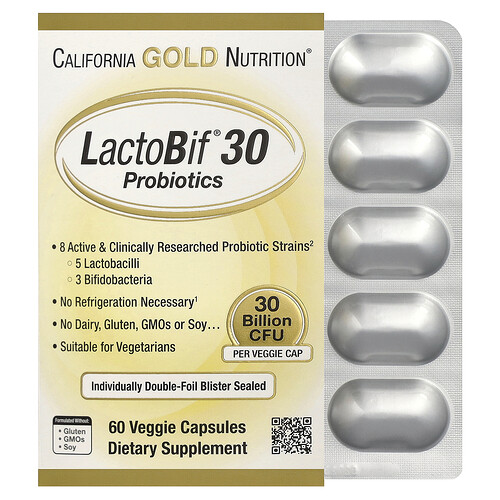
Best for: A solid, balanced everyday baseline for those looking to maintain general digestive harmony without overcomplicating their routine.
Pros
- Excellent balance of affordability and CFU count
- Provides a generous 60-day supply
- Individually blister-sealed to protect stability
Cons: Lacks specialized strains for highly targeted issues · Standard capsule may not survive all stomach acid profiles
What to watch: Ensure you store the blister packs away from excessive heat or direct sunlight to maintain the viability of the cultures.

Best for: Best suited for those experiencing pill fatigue who prefer to mix their supplements into smoothies or cool foods.
Pros
- Easy-to-consume powder format
- Thoughtfully combines prebiotics and probiotics
- Allows for highly customizable dosing
Cons: Requires the extra step of mixing into food or drink · The taste and texture may not appeal to everyone · Smaller user review base compared to industry giants
What to watch: Do not mix this powder into hot beverages or warm meals, as high temperatures will immediately destroy the live bacterial cultures.

Best for: Designed for individuals who need gentle digestive enzyme support alongside their daily probiotic intake.
Pros
- Conveniently combines digestive enzymes with probiotics
- Gentle formula designed for sensitive systems
- Provides 90 capsules per bottle for longevity
Cons: Probiotic CFU count is lower than standalone options · Must be taken with meals for the enzymes to be effective
What to watch: May interact with certain medications affecting digestion; always consult your provider if you have chronic pancreatic or liver issues.
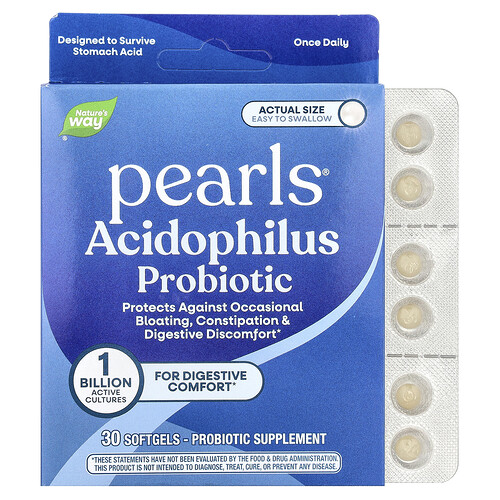
Best for: The perfect entry-level choice for highly sensitive stomachs that require a very low, gentle dose.
Pros
- Extremely small, easy-to-swallow pearl format
- Advanced protective coating survives stomach acid
- Very accessible price point for beginners
Cons: Only 1 billion CFU, which is quite low for acute needs · Contains fewer bacterial strains than complex blends
What to watch: Contains gelatin and milk/soy derivatives, making it strictly unsuitable for vegans or those with severe dairy allergies.

Best for: A premium, comprehensive option for those who specifically want a delayed-release mechanism to ensure intestinal delivery.
Pros
- Delayed-release technology protects fragile cultures
- Includes prebiotics to actively feed the bacteria
- Completely vegan formulation
Cons: Represents a significant financial investment · Larger upfront cost for the 90-count bottle
What to watch: The inclusion of prebiotics (fiber) can initially cause mild bloating or gas in sensitive individuals as the gut adapts.

Best for: A budget-conscious alternative for women seeking targeted strains without the premium price tag.
Pros
- Features targeted women's health strains
- Utilizes a delayed-release capsule design
- Highly accessible price point
Cons: Only provides a 30-day supply per bottle · Contains a smaller variety of strains than premium brands
What to watch: As with any delayed-release capsule, do not crush, chew, or open it, as this destroys the protective delivery mechanism.
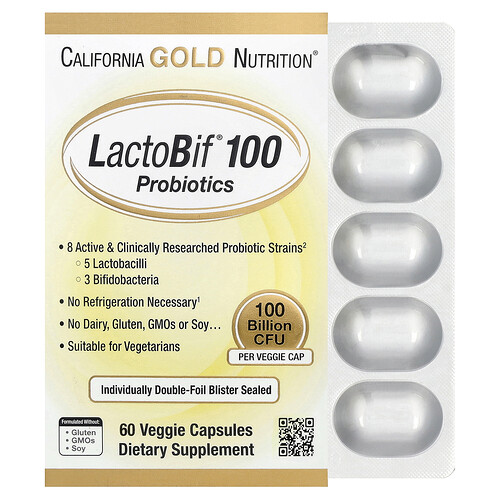
Best for: Intended for short-term, intensive support following a significant disruption to the gut microbiome.
Pros
- Massive 100 billion CFU dose for acute needs
- Individually double-foil blister sealed for maximum protection
- Generous 60 capsules per box
Cons: Unnecessarily high dose for standard daily maintenance · Higher cost per bottle due to the potency
What to watch: Extremely high CFU counts can trigger significant gastrointestinal upset if introduced too quickly; medical guidance is highly recommended.
Navigating this landscape requires stepping back from the flashy labels and looking closely at the formulations, strain diversity, and delivery mechanisms. My goal here is to bridge that gap between clinical understanding and everyday choices, translating complex microbial science into practical, actionable guidance. By analyzing public data, patient reviews, and formulation specifics, I have compiled a selection of options that address different physiological needs and financial realities.
It is crucial to remember that a food supplement is not a medicine, and these products are not designed to cure, treat, or diagnose any underlying gastrointestinal disease. What they offer is a supportive tool within a broader care pathway that includes nutrition, hydration, and professional medical oversight. Let us explore the nuances of these formulations so you can make an informed, empowered decision about what might best serve your body on the ground.
How do probiotics actually interact with our digestive system?
Probiotics introduce beneficial live microorganisms into the gastrointestinal tract to help maintain or gently restore the natural balance of your gut flora. When you swallow a probiotic, these bacteria travel through the acidic environment of the stomach to reach the intestines, where they compete with opportunistic pathogens for space and vital nutrients.
In clinical practice, we look at the microbiome as a bustling city; when the good bacteria are thriving, they help synthesize essential vitamins, support the immune system, and maintain the integrity of the intestinal lining. However, these microscopic allies need the right environment to flourish, which is why introducing them via a supplement is only one piece of a much larger physiological puzzle. They do not permanently colonize your gut from a single dose; rather, they provide transient support that helps shift the overall environment toward a healthier baseline.
Why does the delivery method matter for gut health?
The delivery method dictates whether the fragile bacteria can survive the harsh, highly acidic environment of your stomach to reach the lower intestine where they are most effective. Standard capsules may dissolve too quickly, whereas delayed-release capsules, enteric coatings, or specialized pearl formats are specifically engineered to withstand stomach acid for longer periods.
For patients who struggle with pill fatigue or have difficulty swallowing, powder forms offer a wonderful alternative, provided they are not mixed into hot foods that would instantly destroy the live cultures. Understanding how a product is built helps ensure that the investment you are making actually reaches the part of your body that needs it most. It is always heartbreaking to see someone invest in a high-quality strain, only to have it neutralized before it can provide any benefit.
Can a probiotic replace a balanced diet or medical treatment?
No, a probiotic supplement cannot replace a nutrient-dense diet, nor can it serve as a substitute for prescribed medical treatments for gastrointestinal disorders. They are strictly supplemental tools designed to complement—not override—the foundational pillars of health like adequate dietary fiber intake, consistent hydration, and stress management.
Fiber acts as a prebiotic, effectively feeding the good bacteria; without it, even the most expensive probiotic supplement will struggle to take hold. Whenever you are facing persistent digestive challenges, the most empowering step you can take is to consult with a healthcare provider who can help map out a comprehensive, individualized care plan. True healing is holistic, and while supplements can be wonderful allies, they work best when integrated into a lifestyle that honors your body's fundamental needs.
This article is not medical advice. Food supplements replace neither a balanced diet nor treatment — if you have symptoms, your doctor decides.
Ad · affiliate links · If you buy through these links, we earn a commission.