Addressing the Critical Information Gap in Women’s Reproductive Healthcare
NutraIngredients.com reports that H&H Group is positioning women’s health as a major unmet need, citing gaps in menopause knowledge and strong consumer interest in vitamins, minerals and supplements.
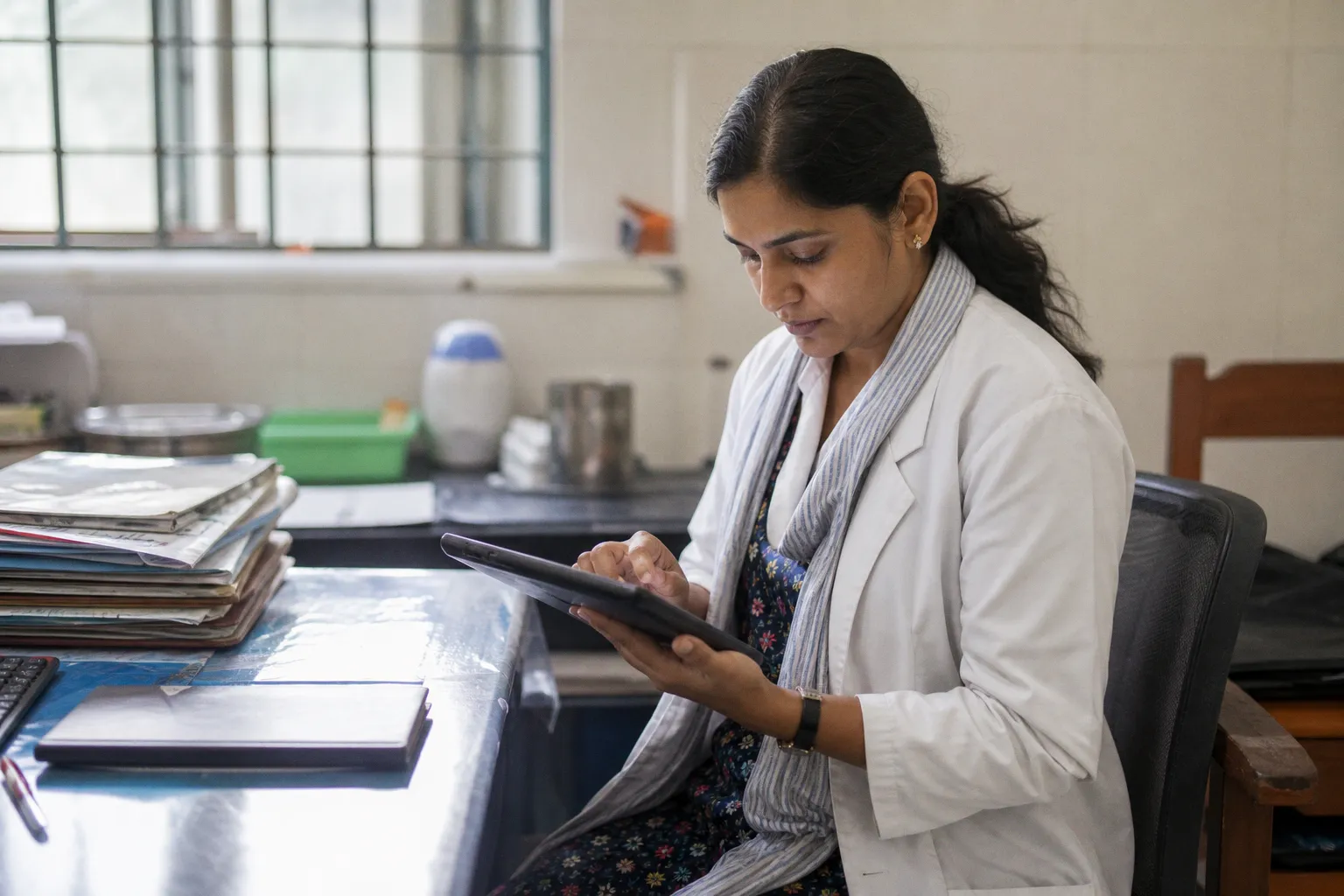
For India’s maternal and child health systems, the useful signal is not the marketing opportunity. It is the familiar service-design failure: women are asked to navigate symptoms, treatment choices and supplement claims with too little practical information at the point of care.
The evidence discussed at Growth Asia Summit 2026 is Australian, not Indian. That distinction matters. It should not be repackaged as a measure of needs in Indian districts. But the operating problem—fragmented information, uneven provider counselling and a consumer market ready to fill the gap—is recognisable anywhere care pathways are thin.
The bottleneck is not only supply
H&H Group’s research involved 778 Australian women aged 20 and older who said they were likely to consider buying VMS products within the next 12 months. One in three respondents said they would consider women’s health supplements. Women were also more likely than men to recognise a benefit from VMS products for hormonal balance.
That is demand data from a selected consumer group, not proof that a product works, and not a clinical recommendation. Still, it shows where the system can break down: when symptom education and treatment discussions arrive late, retail decisions arrive early.
Dr Novita Puspasari, Scientific Affairs Manager at H&H Group, said many Australian women lacked understanding of bodily changes during perimenopause and menopause, while vitamins, minerals and supplements were often preferred to prescription treatment or hormone replacement therapy.
For a clinic, this is a workflow issue. A patient who arrives with a supplement already chosen is not necessarily “non-compliant.” She may simply have found a faster route to an answer than the health system provided.
Do not turn a supplement shelf into a care pathway
The source describes growing interest in products targeted at specific symptoms and hormonal health. It does not establish which products are appropriate for an individual woman, whether they are effective, or whether they can replace clinical assessment or prescribed treatment.
That leaves a straightforward triage job for health facilities and families:
- Ask what symptom or concern is driving the purchase.
- Record every vitamin, mineral or supplement already being used.
- Separate consumer information from clinical advice; “hormonal balance” is a market label, not a diagnosis in the evidence provided.
- Ask the clinician what the proposed product is expected to address, what follow-up is needed, and what would trigger a return visit.
- Keep pregnancy, postpartum care, menstrual concerns and midlife symptoms inside a documented care conversation—not scattered between pharmacies, social media and delayed appointments.
This is where district-level service design matters. Counselling cannot be an optional add-on after the queue has formed. It needs a defined place in the visit, clear escalation routes and records that travel with the patient.
What India should watch—without importing Australia’s numbers
The reported figures on period pain, menopause-related work absence and policy action all concern Australia. They are context, not a shortcut to conclusions about India. Nor does the H&H-commissioned survey answer the harder questions for Indian reproductive and child health services: who gets reliable counselling, who can access follow-up, and where women are forced into self-navigation.
The practical lesson is tougher and more useful. Women’s health cannot be treated as a narrow retail category or a single life-stage programme. The care chain has to hold—from questions about symptoms, to clinician review, to clear follow-up. If that chain is missing, demand will not disappear. It will move to the quickest available shelf.