Assessing the Impact of Recent Health Ministry and UNFPA Reproductive Care Reviews
According to sabanew.net, the Health Ministry and the United Nations Population Fund (UNFPA) have reviewed reproductive health support.
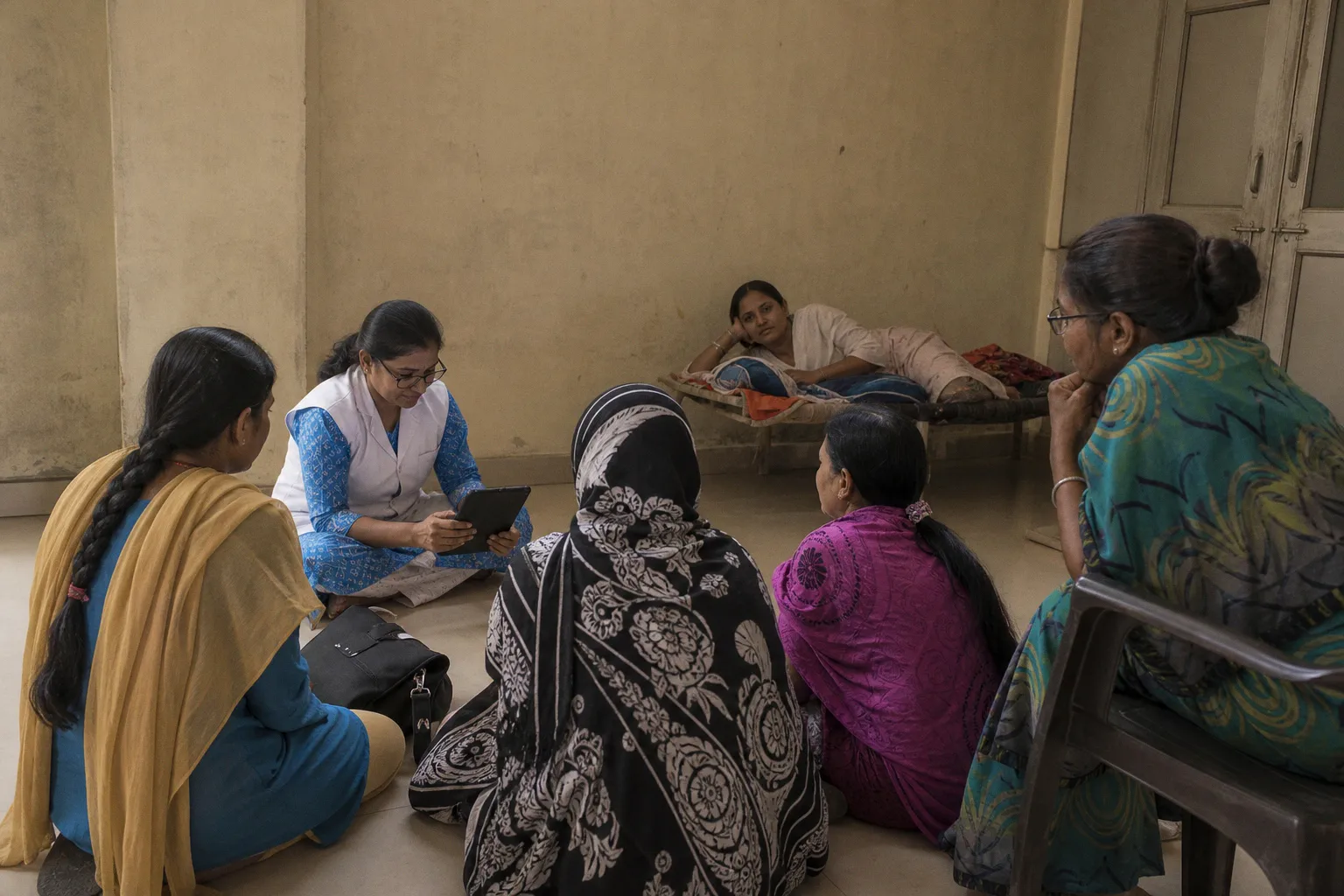
The report offers no further detail on the setting, decisions, funding, services or timeline, but the meeting itself matters because support programmes only become meaningful to patients when they translate into a clear, reachable care pathway.
From the clinic side, this is the gap I would want families to notice: a review is not yet a change in the care available to them. For a woman trying to plan a pregnancy, seek contraception, or understand where to turn for reproductive-health advice, the practical question remains whether her local service can provide timely, respectful and continuous support.
A review is a starting point, not a service announcement
The available report confirms only that the Health Ministry and UNFPA reviewed reproductive health support. It does not say which services were discussed, whether any new commitments were made, or when communities might see an impact.
That distinction is important. Reproductive healthcare is often discussed in broad terms, while patients experience it in very specific moments: needing information before making a decision, needing a consultation without delay, or needing follow-up that does not disappear after the first visit. Until details are published, it would be premature to assume that eligibility, availability or referral arrangements have changed.
For clinicians and community workers, the useful response is to keep communication steady. Do not promise a new service pathway on the basis of a headline alone; help patients understand what is already available through their usual facility and where they can ask for confirmed updates.
What patients should clarify locally
If this review leads to further announcements, patients should look for information that answers the everyday questions rather than relying on broad language about “support.” Is the relevant service available at the facility they use? Is an appointment or referral needed? What follow-up can be expected after an initial consultation?
These are not small administrative questions. They shape whether care feels navigable at a time when uncertainty can already be heavy. A patient should be able to ask clearly what support is offered, what the next step is, and whom to contact if that step does not happen.
The details worth watching for
The next meaningful update would set out what reproductive-health support actually covers and how people will access it. That may include clearer information for health workers, facilities and communities—but none of those elements has been confirmed in the available report.
On the ground, the most patient-centred approach remains simple: check information directly with the treating facility or a qualified care team, keep any existing appointments, and ask for a written or clearly explained next step when a referral is involved. A policy discussion can open an important door; reliable care begins when a person knows exactly how to walk through it.