The Logistics of Absorption: Choosing the Right Vitamin D3 & K2 Protocol
Widespread vitamin D deficiency isn't a supply problem; it’s a logistical failure at the absorption level. Here is how to route the right active ingredients into your system.

We are currently witnessing a massive, systemic failure in basic nutrient logistics. People are swallowing millions of units of Vitamin D3 annually, yet clinical serum tests return consistently depleted. The supply is present, but the delivery chain is broken. This is what happens when you treat a biological system like a simple input-output machine instead of a complex logistical network. You cannot simply drop a payload into the stomach and expect it to reach the skeletal infrastructure without the correct transport vectors.
At a glance
- California Gold Nutrition Vitamin D3 + K2 MK-7, 60 Veggie Capsules — The baseline synergistic protocol for routing calcium to bone infrastructure.
- NOW Foods Ultra Omega 3-D Fish Oil + Vitamin D3, 180 Softgels — An all-in-one lipid delivery system that solves the fat-solubility bottleneck.
- Bluebonnet Nutrition Calcium Citrate Magnesium Vitamin D3, 180 Capsules — A complete structural repair stack utilizing highly bioavailable citrate forms.
- Natural Factors Vitamin D3 & K2, 1,000 IU / 120 mcg, 60 Softgels — A balanced, low-D3 maintenance payload with a heavy K2 routing bias.
- NOW Foods Vitamin D-3 10,000 IU, 120 Softgels — High-payload triage for acute, doctor-identified serum deficits.
- Nature's Way Vitamin D3 Gummy, 1,000 IU, 120 Gummies — A compliance-focused vector for pediatric or pill-fatigued populations.
- Carlson Vitamin D3 1,000 IU, 60 Softgels — A precision, low-dose tactical supplement for minor protocol adjustments.
Our picks: D3 & K2 Delivery Protocols
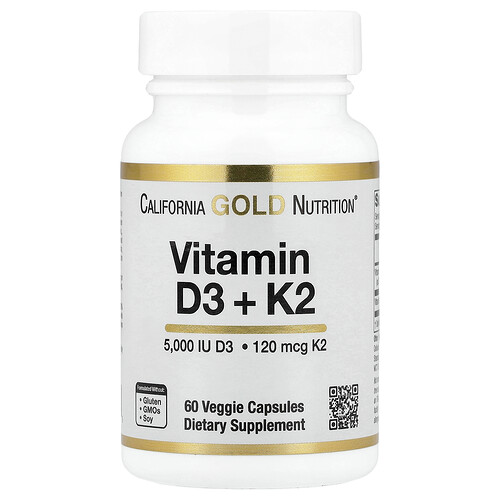
Best for: The baseline synergistic protocol for routing calcium to bone infrastructure.
Pros
- Utilizes the MK-7 form of K2 for an extended 72-hour biological half-life.
- Low procurement cost for a dual-action routing stack.
- Standardized dosing suitable for daily maintenance.
Cons: Dry capsule format lacks a built-in lipid delivery vector. · Requires precise timing with a fat-heavy meal to avoid malabsorption.
What to watch: Because this is a dry capsule, taking it on an empty stomach will result in total absorption failure; strictly pair with dietary fats.
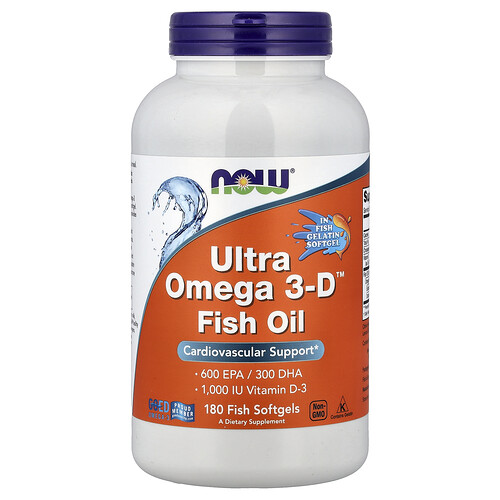
Best for: An all-in-one lipid delivery system that solves the fat-solubility bottleneck.
Pros
- Built-in EPA/DHA lipid vector guarantees D3 absorption regardless of diet.
- Eliminates the logistical hassle of meal-timing.
- High structural utility for both skeletal and cardiovascular systems.
Cons: High upfront procurement cost. · Large physical pill size can be a choking hazard or cause compliance issues. · Lacks the K2 routing protocol.
What to watch: Fish oil acts as a mild anticoagulant; this vector requires medical clearance if you are currently prescribed blood-thinning medication.
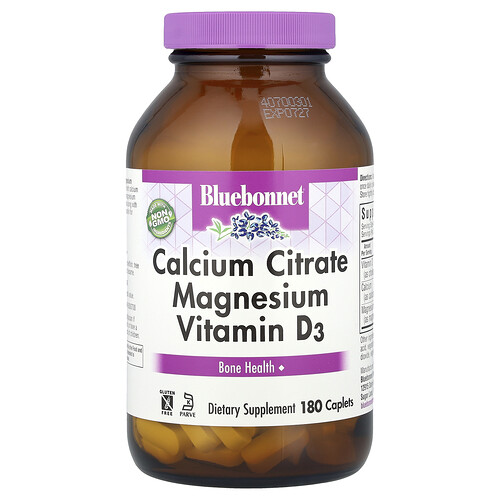
Best for: A complete structural repair stack utilizing highly bioavailable citrate forms.
Pros
- Citrate form bypasses gastric acid bottlenecks entirely.
- Includes magnesium, a mandatory co-factor for D3 enzymatic conversion.
- Ideal for older populations with compromised digestive infrastructure.
Cons: High cost per dose. · Requires deploying multiple large capsules daily to reach effective payload.
What to watch: Magnesium citrate draws water into the bowel; over-deployment can cause rapid gastrointestinal distress and diarrhea.
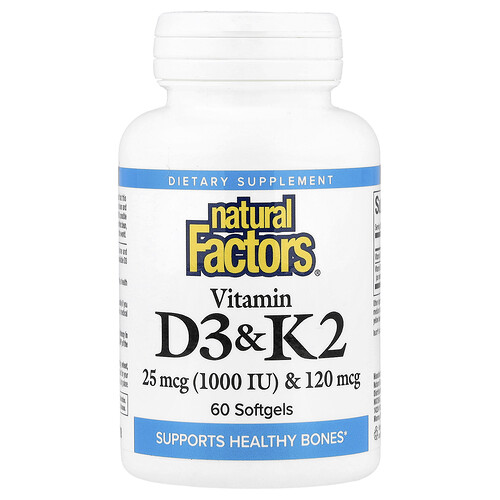
Best for: A balanced, low-D3 maintenance payload with a heavy K2 routing bias.
Pros
- Excellent D3 to K2 ratio for preventing arterial calcification.
- Softgel format utilizes carrier oils to improve intestinal uptake.
- Mid-tier pricing offers good operational value.
Cons: The 1,000 IU D3 payload is too low for acute triage of severe deficits. · Carrier oils can degrade if not stored properly.
What to watch: Check the label for the specific carrier oil used; exposure to high heat during shipping or storage will compromise the lipid vector.
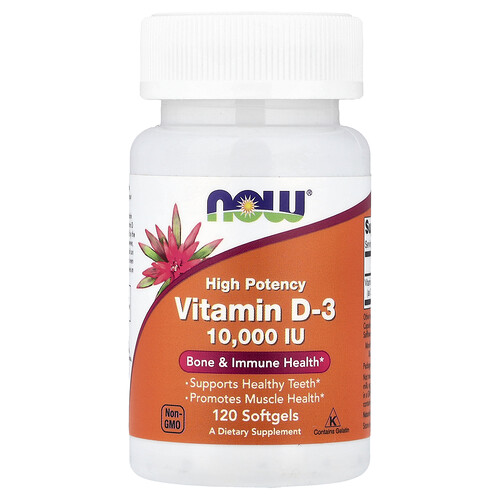
Best for: High-payload triage for acute, doctor-identified serum deficits.
Pros
- Massive 10,000 IU payload for rapid correction of systemic failures.
- Liquid softgel vector ensures efficient absorption.
- Highly cost-effective for short-term, acute deployment.
Cons: Completely lacks the K2 routing protocol. · Dangerous for long-term, unmonitored use.
What to watch: Deploying this payload long-term without medical supervision and regular serum testing carries a severe risk of hypercalcemia.
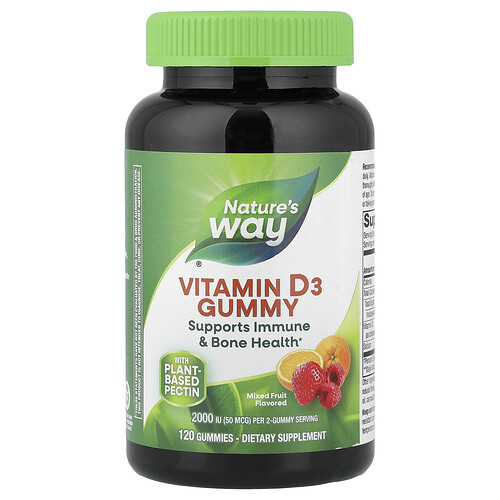
Best for: A compliance-focused vector for pediatric or pill-fatigued populations.
Pros
- High patient compliance rate due to palatable format.
- Bypasses swallowing bottlenecks entirely.
- Standard 1,000 IU dose is safe for general maintenance.
Cons: Introduces unnecessary sugars into the daily protocol. · Lacks K2 and requires careful temperature control to prevent melting.
What to watch: The candy-like format drastically increases the risk of accidental pediatric overdose if the supply is left unsecured.
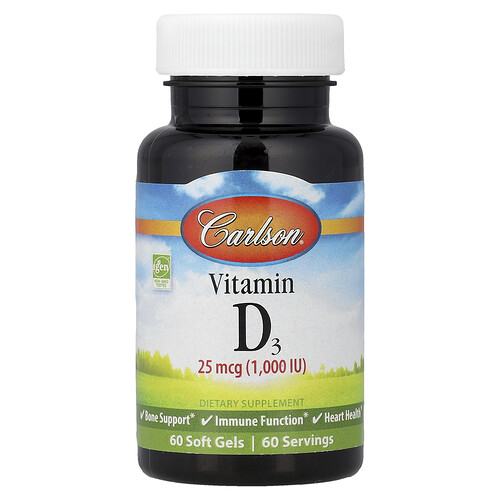
Best for: A precision, low-dose tactical supplement for minor protocol adjustments.
Pros
- Extremely low procurement cost.
- Softgel delivery ensures baseline absorption.
- Easy to titrate doses up or down based on seasonal sun exposure.
Cons: Logistically inefficient for correcting severe structural deficits. · Lacks K2.
What to watch: This is a maintenance-only tool; relying on this payload to fix a diagnosed deficiency will result in prolonged systemic failure.
| Product | Price | Rating | Best for |
|---|---|---|---|
| California Gold Nutrition Vitamin D3 + K2 MK-7, 60 Veggie Capsules | €8.78 | ★★★★★ 4.8 · 35,824 reviews | The baseline synergistic protocol for routing calcium to bone infrastructure. |
| NOW Foods Ultra Omega 3-D Fish Oil + Vitamin D3, 180 Softgels | €42.37 | ★★★★★ 4.8 · 28,719 reviews | An all-in-one lipid delivery system that solves the fat-solubility bottleneck. |
| Bluebonnet Nutrition Calcium Citrate Magnesium Vitamin D3, 180 Capsules | €32.37 | ★★★★★ 4.6 · 1,796 reviews | A complete structural repair stack utilizing highly bioavailable citrate forms. |
| Natural Factors Vitamin D3 & K2, 1,000 IU / 120 mcg, 60 Softgels | €18.93 | ★★★★★ 4.8 · 3,380 reviews | A balanced, low-D3 maintenance payload with a heavy K2 routing bias. |
| NOW Foods Vitamin D-3 10,000 IU, 120 Softgels | €9.88 | ★★★★★ 4.9 · 108,507 reviews | High-payload triage for acute, doctor-identified serum deficits. |
| Nature's Way Vitamin D3 Gummy, 1,000 IU, 120 Gummies | €19.55 | ★★★★★ 4.9 · 807 reviews | A compliance-focused vector for pediatric or pill-fatigued populations. |
| Carlson Vitamin D3 1,000 IU, 60 Softgels | €2.71 | ★★★★★ 4.9 · 3,162 reviews | A precision, low-dose tactical supplement for minor protocol adjustments. |
When evaluating a supplement stack, you have to look at the structural realities of absorption. A cheap, dry tablet of D3 taken with black coffee is an operational dead end. To fix the supply chain bottleneck, you must address three critical failure points:
- Missing lipid vectors: D3 is fat-soluble; it requires dietary or integrated fats to cross the intestinal barrier.
- Absent routing protocols: D3 mobilizes calcium, but without Vitamin K2, that calcium lacks the routing instructions to enter the bone matrix.
- Gastric bottlenecks: Cheap mineral co-factors (like calcium carbonate) require high stomach acid, failing entirely in older populations.
Here is a root-cause analysis of the available formulations, breaking down what works, what fails, and what these logistical upgrades will cost you.
Why do standalone Vitamin D3 supplements often fail to raise serum levels?
They lack the necessary lipid delivery vectors required for intestinal absorption. Because Vitamin D3 is strictly fat-soluble, deploying a dry pill on an empty stomach results in the payload being excreted rather than absorbed. If you opt for a standalone, low-cost D3 tablet, the operational burden shifts to you: it must be taken alongside a meal heavy in structural fats (avocado, butter, olive oil). If your dietary fat intake is inconsistent, you must upgrade to a softgel where the D3 is pre-suspended in a lipid carrier, which slightly increases the unit cost but guarantees delivery.
What is the structural role of Vitamin K2 when paired with D3?
Vitamin K2 acts as the routing protocol for the calcium mobilized by Vitamin D3, directing it into the bone matrix rather than allowing it to accumulate in arterial walls. Deploying high-potency D3 without K2 is a critical infrastructure risk; you are flooding the system with raw materials (calcium) but providing no blueprints for where to put them. Formulations that include K2 (specifically the MK-7 variant, which has a 72-hour biological half-life) will often double the procurement cost of the supplement, but they are non-negotiable for long-term structural integrity.
How does the delivery format impact the cost of supplementation?
Combining active ingredients like Omega-3s or bioavailable minerals with D3 increases the upfront unit cost, but it drastically reduces the systemic waste of unabsorbed payloads. You are paying a premium for operational efficiency.
- Dry Tablets: Cheap, but highly dependent on your gastric acid and dietary fat timing. High failure rate.
- Omega-3 Stacks: High procurement cost, but they provide a built-in lipid vector (EPA/DHA), bypassing the dietary fat requirement entirely.
- Citrate/Chelated Mineral Stacks: Expensive and require multiple pills, but they bypass gastric acid bottlenecks, making them mandatory for populations with compromised digestion.
Which formulation protocol should you deploy first?
For a baseline operational overhaul, deploy a combined D3 and K2 (MK-7) protocol immediately to ensure calcium is routed correctly to the skeletal infrastructure. If your systemic lipid intake is inconsistent or you suffer from pill fatigue, bypass the dietary bottleneck entirely by utilizing an Omega-3 combined vector. Leave the 10,000 IU high-potency payloads strictly for acute, doctor-managed triage of severe deficits.
This article is not medical advice. Food supplements replace neither a balanced diet nor treatment — if you have symptoms, your doctor decides.
Ad · affiliate links · If you buy through these links, we earn a commission.