Protecting Newborns Through Maternal Immunization Strategies
I've sat with too many new mothers whose babies took that first, struggling breath in a phototherapy corner of a postnatal ward — tiny ribs working overtime, monitors bleeping in a rhythm no parent wants to memorise.
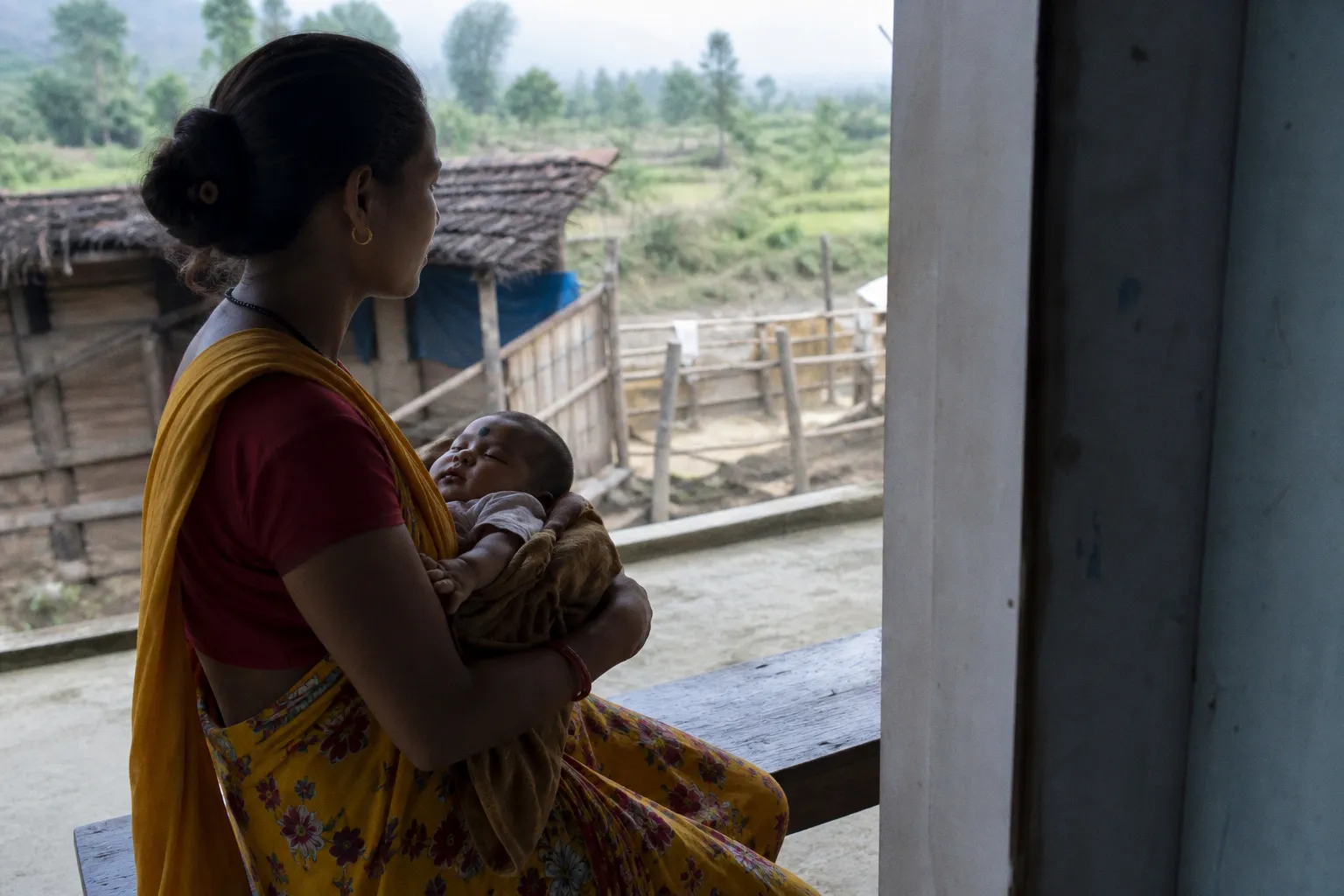
When the First Breath Is the Hardest
So when the Pan American Health Organization convened experts at the end of August to talk about why so many newborns still fall sick in their earliest weeks of life, it felt like a conversation we should be having in every antenatal clinic, including ours.
According to a PAHO regional webinar, vaccines given during pregnancy remain one of the most powerful tools we have to protect both mother and baby — yet coverage across much of the Americas is still falling short. As Dr. Jarbas Barbosa, Director of PAHO, put it during the session, "Vaccination during pregnancy is one of the safest and most cost-effective public health interventions available. It not only protects pregnant women, but also provides newborns with critical protection during their first months of life."
The Numbers Behind the Worry
PAHO drew attention to a figure that stays with me: an estimated 47% of deaths among children worldwide occur during the neonatal period — the first 28 days of life. A meaningful share of those deaths are linked to infections that maternal immunisation can help prevent, including pertussis, neonatal tetanus, and respiratory syncytial virus.
The coverage picture, however, is uneven. PAHO reported that in 2025, among the half of countries in the Americas that submitted data, influenza vaccination coverage among pregnant women reached roughly 61%, while coverage for vaccines against tetanus, diphtheria, and pertussis sat at around 77%. That gap between what we know works and what is actually reaching women on the ground is exactly where antenatal care can change the story.
Encouragingly, the toolkit is growing. Just three years after maternal RSV vaccination was first approved, 11 countries across the Americas have rolled it out to shield newborns from severe respiratory infection in their earliest months. That rollout now has firmer clinical legs beneath it: a new evaluation by the University of Copenhagen and Nordsjællands Hospital, reported this week, found that a national maternal RSV immunisation programme substantially reduced acute respiratory hospitalisations in newborns.
Sitting alongside that, a cohort study published in Nature examined how maternal dietary patterns translate into pregnancy outcomes — reinforcing what we see in our own clinics, that nutritional counselling is part of the same protective circle as vaccination and antenatal monitoring.
What This Means in Our Clinics
For those of us working with pregnant women in India, the takeaway is less about a single product and more about the care pathway itself. Three things I am taking back to my own practice.
First, bring immunisation into the first antenatal conversation, not the last. Whether it is influenza or Tdap, the moment a woman books her pregnancy is the moment to ask what she has received and what she still needs.
Second, keep RSV on the clinical radar. Where maternal RSV immunisation is not yet available, the conversation about seasonal protection, hand hygiene, and limiting newborn exposure to respiratory illness belongs in the same protective approach.
Third, pair every vaccine talk with a nutrition conversation. A mother's plate and a newborn's first breath are closer than we sometimes admit in a busy OPD.
The webinar ended on a note any midwife would recognise: timing, trust, and clear information are what turn a recommendation into a vaccine actually given. That is the work — at the bedside, in the community, and in the antenatal register.