Why Breastfeeding Rates Plummet After Birth: Addressing the Six-Month Nutrition Gap
The latest data from the World Health Organization lays bare a critical drop-off in newborn nutrition: while 74% of infants in Ukraine are breastfed within their first hour, the rate of exclusive breastfeeding plummets to just 43% by six months.
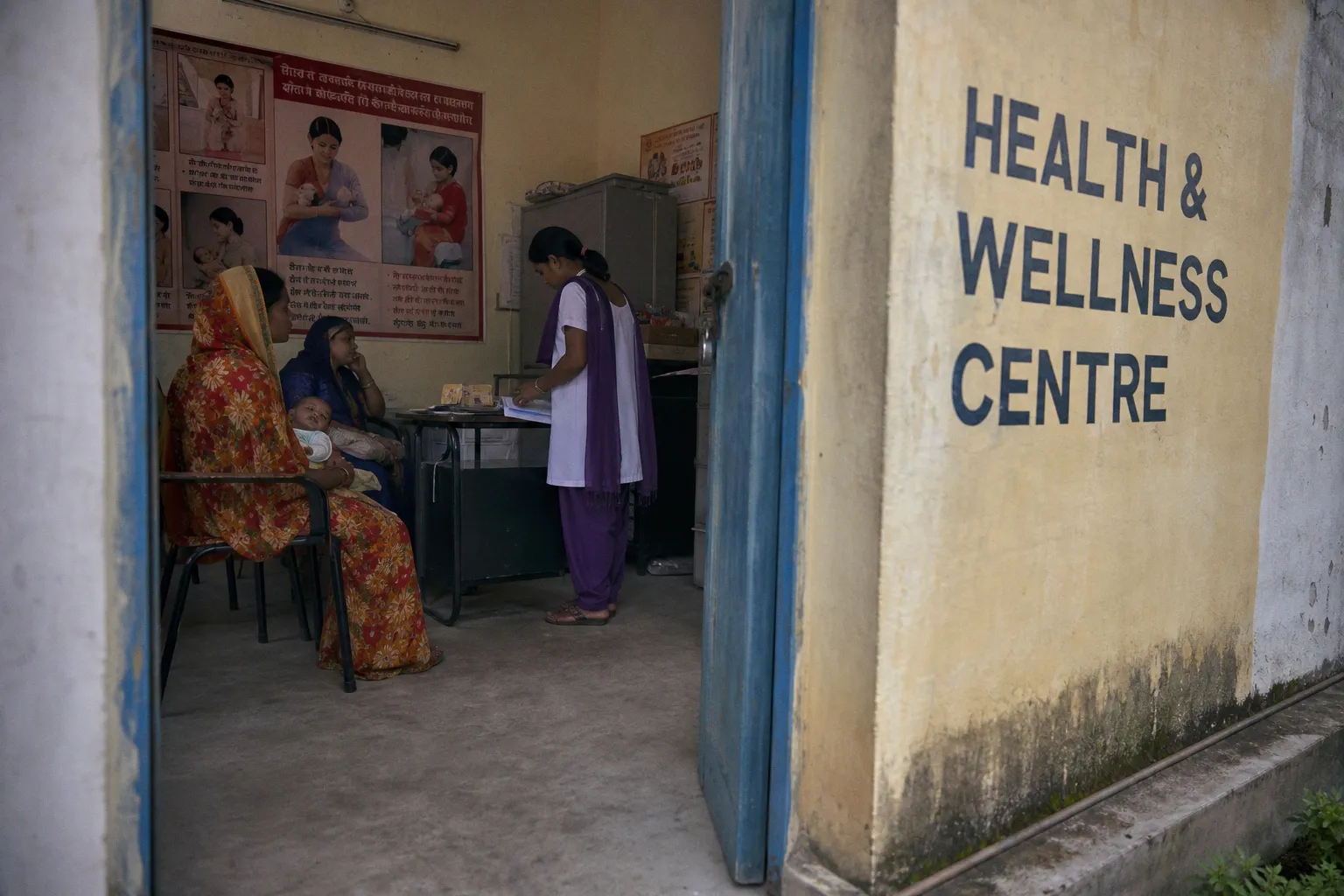
This isn't a failure of initial action—it's a systemic collapse in the support pipeline that follows, a bottleneck with direct parallels in our own healthcare infrastructure.
The 74% to 43% Pipeline Leak
The initial statistic is a public health victory. Immediate skin-to-skin contact and breastfeeding initiation are now standard protocol, driven by institutional training. But the 31-percentage-point plunge tells a different story. It points to a logistical breakdown in the continuum of care after discharge. Breastfeeding is not a single event; it's a sustained process requiring consistent support. The data confirms our on-the-ground observation: the system is optimized for a good start but lacks the resilient, community-based supply chains needed to maintain exclusive practice for six months. The consequence is a preventable vulnerability, substituting a free, sterile, always-available immune-boosting substance with alternatives that require clean water, sterilization, and consistent supply—commodities that are never guaranteed.
War as a Stress Test for Infant Feeding Systems
The source context is Ukraine, a country enduring prolonged conflict. This is a brutal stress test for any health system, revealing its foundational weaknesses. As the report states, breast milk is a lifeline when "there is no electricity or clean water." This fact is universal. In any setting—from a strained urban clinic to a rural district with intermittent services—the system's ability to protect infant nutrition hinges on more than a mother's intent. It requires trained midwives, lactation counselors in primary care, and crucially, a community network that validates and supports the practice. The war in Ukraine hasn't created a new problem; it has accelerated the failure of pre-existing support structures, making the consequences impossible to ignore. The 43% figure is the canary in the coal mine for logistical decay.
Actionable Protocols for Sustained Support
The fix isn't another awareness campaign. It's a redesign of the postnatal support protocol. We need to move from a single checkpoint at birth to a monitored, nine-month maintenance plan. First, integrate mandatory lactation follow-ups into the 1-month and 6-month immunization visits—these are existing touchpoints we're wasting. Second, build a community health worker (CHW) network trained not just in initiation but in troubleshooting common drop-off points: perceived low milk supply, family pressure for formula, returning to work. Third, create a simple, scalable "Breastfeeding Triage" checklist for ASHA workers to identify and intervene when a family is at risk of switching. The goal is a system where continued exclusive breastfeeding is the default path, with clear, protocol-driven exits only for medically indicated cases. The data from a war zone gives us the blueprint for resilience; we just have to engineer it into our own districts before the next crisis hits.