Why India’s National Fertility Data Masks Critical Regional Health Disparities
According to Whalesbook’s report on the latest NFHS-6 findings, India’s national fertility figure is hiding the operational problem: reproductive and child-health needs are moving in sharply…
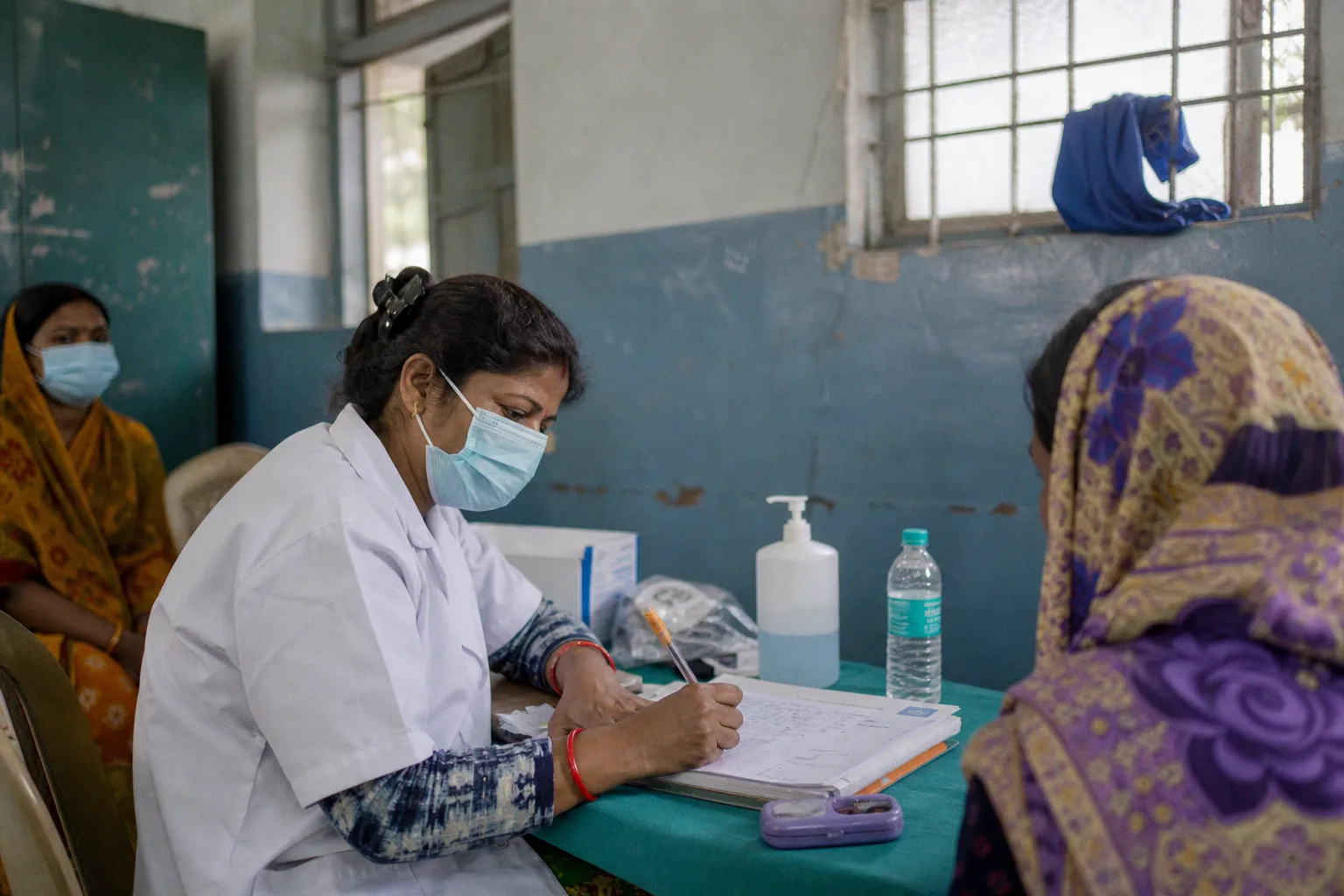
According to Whalesbook’s report on the latest NFHS-6 findings, India’s national fertility figure is hiding the operational problem: reproductive and child-health needs are moving in sharply different directions across states. A single target, a single procurement plan and a single counselling script will not cover both high-fertility districts and states already facing low fertility and ageing populations. For clinics, district teams and families, the postcode is becoming as important as the national average.
The national number is not the service map
NFHS-6 reportedly places India’s total fertility rate at 2, below the replacement level of 2.1. But the rural rate is 2.1, compared with 1.6 in urban areas. Bihar is reported at 2.7, while Tamil Nadu, Karnataka and Kerala have remained below replacement level for years.
That gap changes what a functioning health system needs to stock, staff and follow up.
In higher-fertility settings, the weak points are familiar and immediate:
- access to contraception and family-planning counselling;
- reliable referral pathways for maternal and newborn care;
- outreach that reaches rural households before pregnancy becomes a late-stage clinical problem;
- adolescent services that do not vanish between school, community workers and facilities.
In low-fertility states, the pressure shifts. The reported findings point towards demand for childcare support, geriatric care and health infrastructure for older adults. These are not interchangeable workloads. A district cannot solve a contraception-access failure by expanding senior services, and it cannot address ageing with a maternal-health-only staffing model.
Family planning still has a distribution problem
Whalesbook reports that unmet need for family planning nationally declined to 8.5% from 9.4% in the previous survey. That is progress on paper. But the bottleneck remains severe in particular places: Meghalaya is reported at 21%, with Bihar, Jharkhand and Uttar Pradesh also above the national level.
For a woman seeking care, “availability” should be tested at the facility level, not assumed from a national indicator. Practical questions matter:
- Which contraceptive methods are actually available today?
- Is counselling offered before and after delivery?
- Is follow-up possible if the first method is unsuitable?
- Does the clinic offer a real choice, or route patients toward one default procedure?
The method mix is a warning sign. The report says female sterilisation accounts for nearly 70% of methods in some states, including Andhra Pradesh, while male participation is only 0.5%. When responsibility is concentrated this heavily on women, the system is not simply delivering family planning; it may be narrowing the available pathway.
Child marriage and adolescent pregnancy remain linked field risks
The report places child marriage among women aged 20–24 at 20.1% nationally, with more than one-third reported in West Bengal, Bihar and Tripura. Adolescent motherhood is reported as unchanged at 6.7% nationwide, with higher concentrations in the same states.
This is where service design often fails. The data may reach the state office; the patient may still face distance, silence, stock-outs or a referral chain that starts only after pregnancy. Prevention requires a working sequence: early identification, confidential counselling, contraception access, maternal care when needed, and a transport plan for complications. Break one link and the national programme becomes a poster.
The next test is not another headline-level average. It is whether health budgets and delivery plans are rebuilt around district-level gaps: more reproductive-health capacity where unmet need is high, and different lifecycle infrastructure where fertility is already low. India does not have one maternal and child-health logistics problem. NFHS-6, as reported, shows several—and each needs its own supply line.