Navigating menopause: sex, relationships and well-being
The WHO’s latest webinar cuts straight to the bottleneck: menopause isn’t just hot flashes—it’s a critical, years-long stage where sexual health and relational well-being get systematically sidelined.
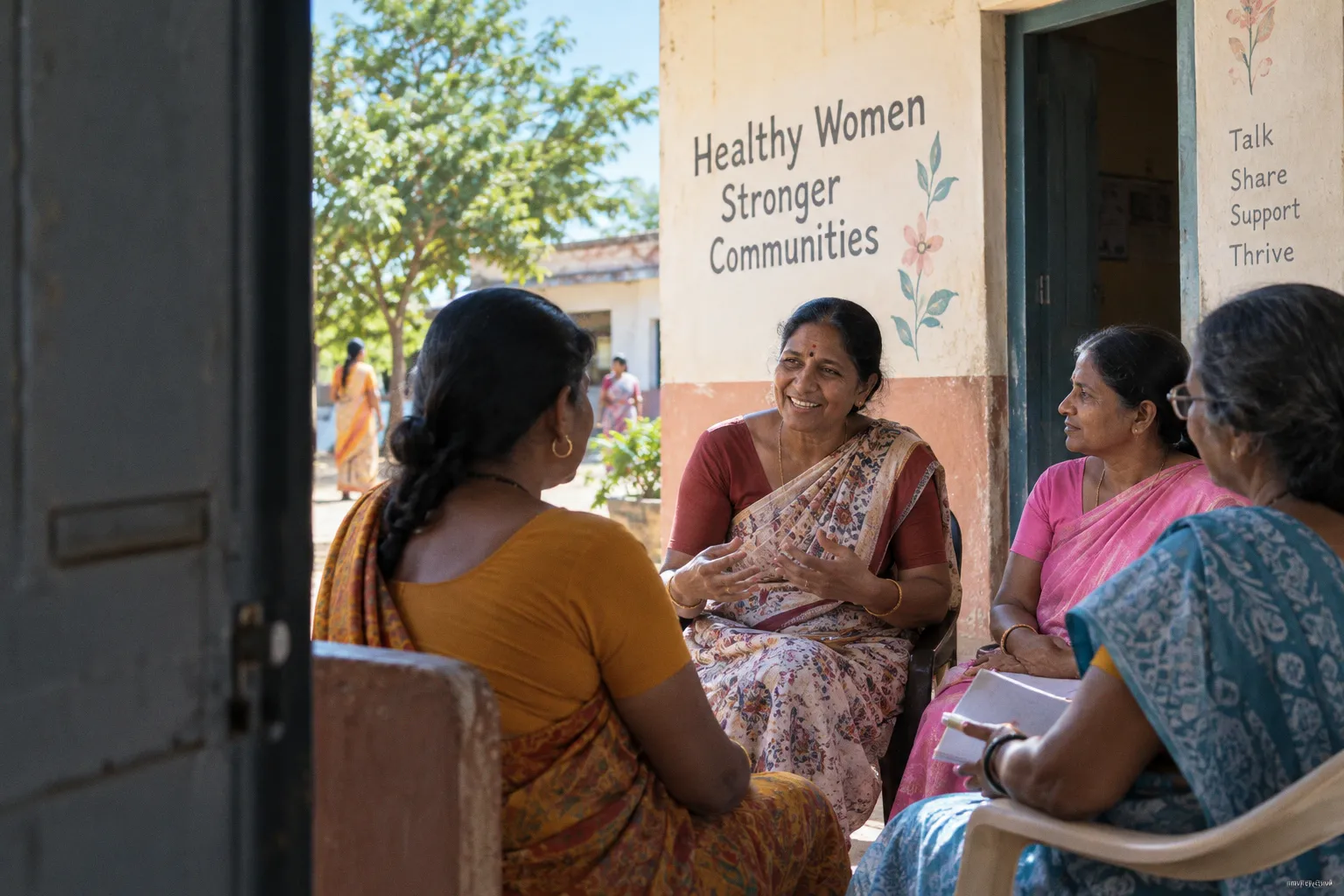
For clinics and health systems, this isn’t a soft topic; it’s a core infrastructure gap costing women quality of life.
The Systemic Gap in Menopause Care
The WHO, partnering with key global obstetric and sexual health bodies, is framing menopause as a public health priority, not just a personal hurdle. The webinar series explicitly calls out that this natural transition is “often overlooked as a health issue.” The focus here is on the practical reality: symptoms like pain, mood shifts, and sleep disruption directly impact daily function, intimacy, and mental health. Ignoring this means failing a growing demographic of women navigating midlife with minimal clinical or systemic support.
Emerging Data Points to Deeper Links
While the WHO provides the framework, emerging research suggests the physiological impacts may be more interconnected than traditionally managed. A recent study points to a potential link between menopause and gut inflammation—a connection that, if validated, could reshape symptom management and preventative care protocols. This isn’t abstract science; it’s a clue for frontline clinicians looking for root causes behind compounded midlife symptoms.
Actionable Takeaway for Health Systems
The call to action is clear: integrate menopause into the life-course health framework. This means moving beyond symptom dabbling to structured clinical and public health responses. For district-level health planners and clinic managers, the checklist starts with training staff to recognize menopause as a multi-system health stage, not an inevitable decline to be endured. The resources and dialogue are finally catching up to the need—the system now has to operationalize them.