Bridging the Digital Divide in India’s Maternal and Child Healthcare Systems
That tension sits at the heart of a growing debate flagged by Medscape under the headline Digital Health: Is Innovation Widening the Equity Gap?
The Digital Push Meets the Clinic Door
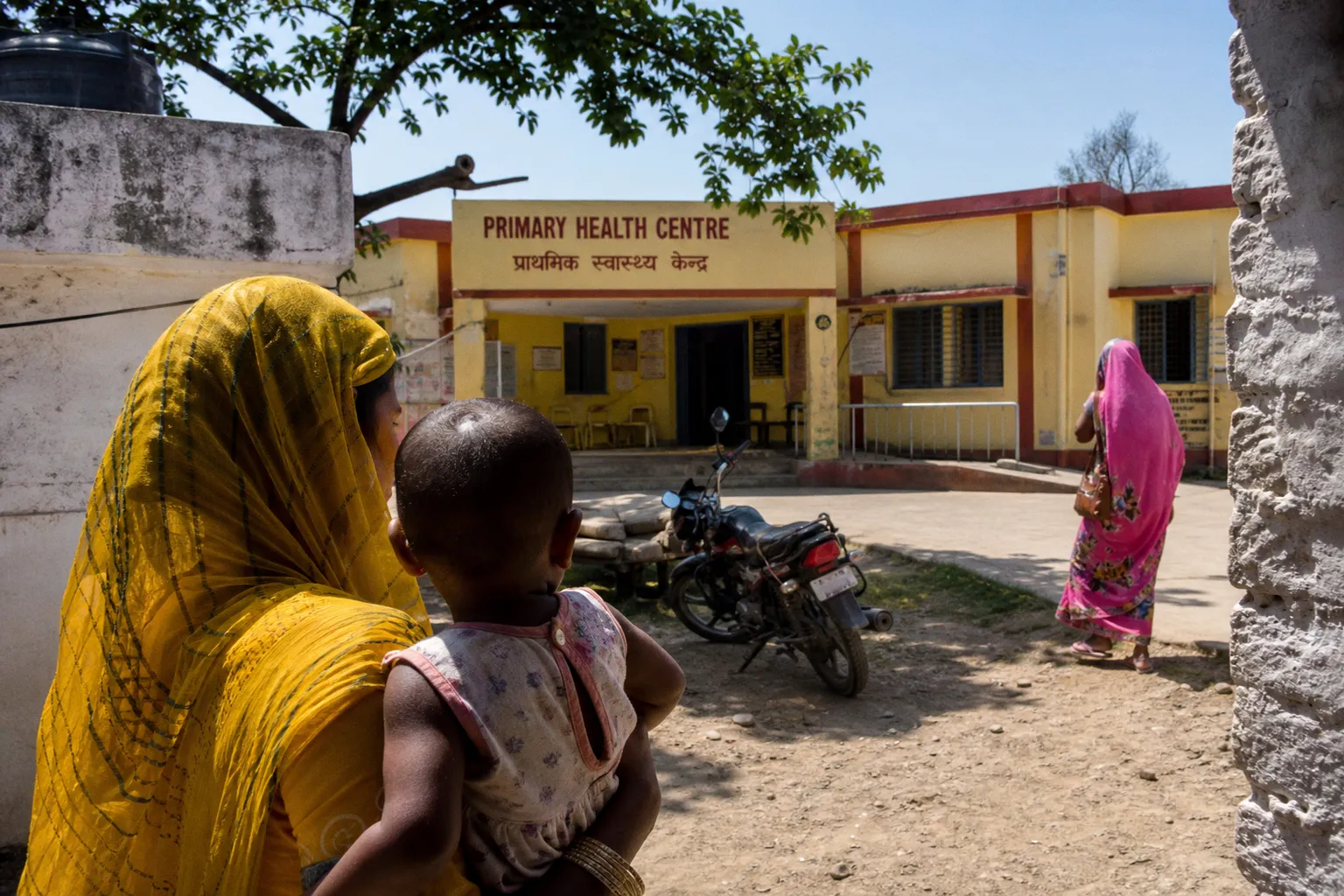
India's Union Health Minister J.P. Nadda recently launched Aarogya Setu 2.0 alongside a slate of new digital health initiatives, as reported by the Press Information Bureau. On paper, it is a welcome stride toward a more connected, data-driven health system. On the ground in an antenatal clinic, though, the question I keep returning to is simpler: will the woman waiting on the wooden bench in a sub-centre three blocks from the district hospital actually benefit from any of this?
What the Broader Conversation Is Naming
Separately, health equity advocates have begun publicly warning of a worsening maternal health crisis, according to the Jacksonville Journal-Courier, while researchers at King's College London have drawn attention to the link between broadband quality and digital-health equity, particularly in older populations. The two threads converge on the same uncomfortable truth: the quality of a person's connection — to the internet, to a provider, to reliable information — is becoming a determinant of health in its own right.
For India, where smartphone ownership is rising quickly but where network reliability, device sharing, and digital literacy still vary dramatically between districts, that finding lands close to home. A tele-ANC service that assumes uninterrupted connectivity, a mother who owns a smartphone, and a husband who does not restrict her use of it is, frankly, a service designed for a narrow slice of the population it is meant to serve.
What I Am Watching From the Clinic Side
The honest work over the coming months will not happen at a launch event. It will happen when an ASHA worker tries to register a pregnant woman on a new platform and discovers the village has signal only at the tea stall. It will happen when a PHC tries to follow up on high-risk mothers flagged by an algorithm, and finds that "flagged" is not the same as "contacted."
For practitioners, the practical questions to keep in front of district health teams are straightforward: Does this new tool work offline, or at low bandwidth? Has it been piloted with the women who are least likely to have a smartphone? And critically — is there a parallel paper-based or community-mediated pathway for those who cannot or will not use the digital one? Innovation that does not plan for its exclusions tends to harden them.
The digital turn in Indian healthcare is real, and much of it is needed. But equity is not a side effect of good technology. It has to be designed in, audited, and defended — one mother at a time.