New $4 Million Federal Initiative Targets Rapid Syphilis Screening for Pregnant Patients
The HHS announcement points specifically to emergency departments as the priority touchpoint.
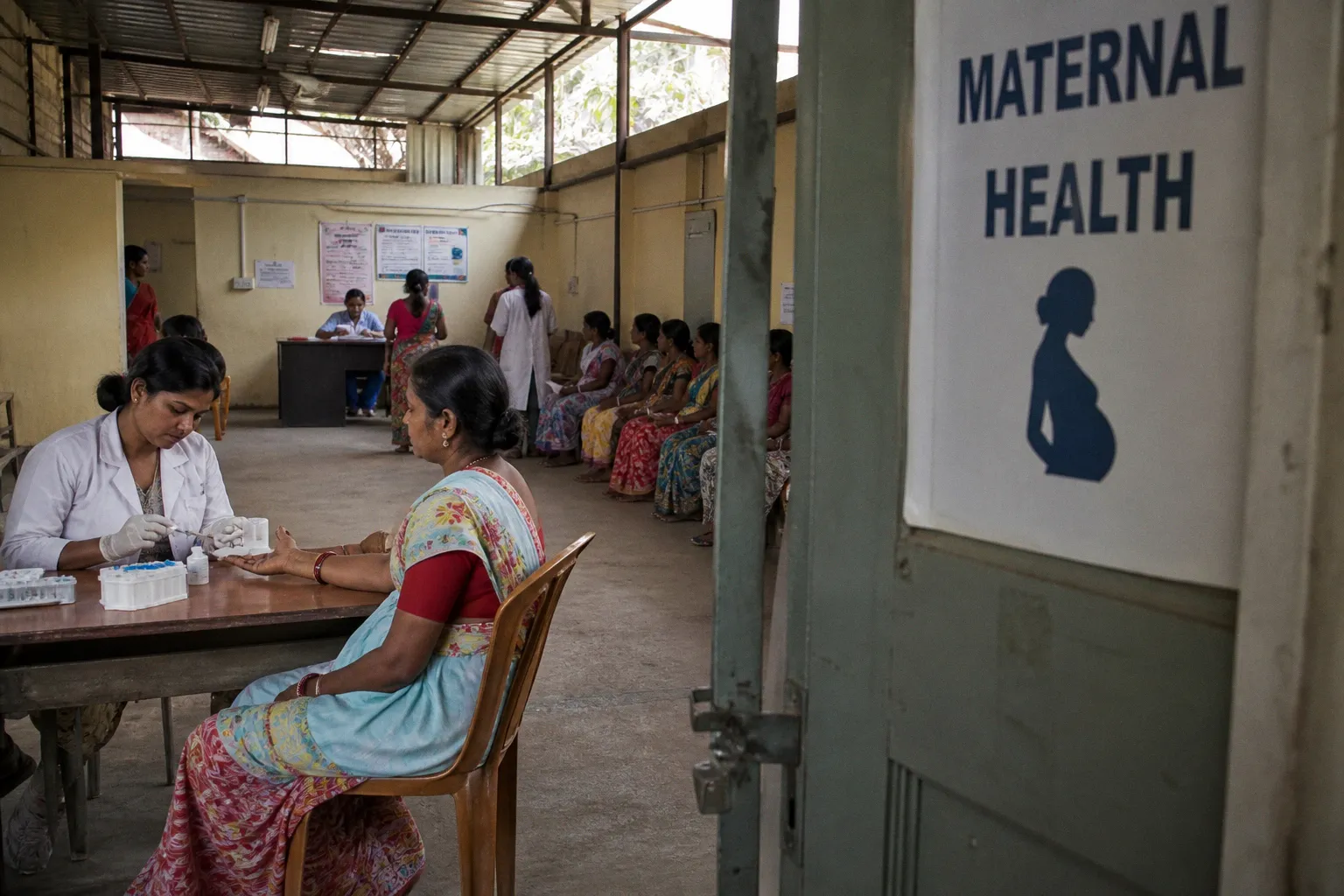
The U.S. Department of Health and Human Services has launched a $4 million initiative to expand rapid, point-of-care syphilis testing for pregnant women, with a particular focus on emergency departments. The goal, according to the agency, is to catch and treat infections early enough to prevent congenital syphilis — a condition that crosses the placenta and can cause stillbirth, neonatal death, or lifelong complications in surviving infants. As someone who has watched too many preventable infections slip through fragmented screening pathways, I read this as a signal worth pausing on, even from a distance.
Why the emergency department matters in antenatal syphilis screening
That detail is telling. In real-world practice, many women who eventually test positive for syphilis during pregnancy first present to an ED — for bleeding in early pregnancy, abdominal pain, a social crisis, or simply because there was nowhere else to turn that night. If the test is not available at that first contact, the window for timely treatment narrows fast. A rapid point-of-care result, delivered within the same visit, changes the entire care pathway: treatment can begin the same day, partner notification can start before discharge, and the woman leaves with a concrete plan rather than a referral slip she may never follow through on.
What practitioners on the ground can take from this
Even though this is a U.S. funding announcement rather than an India-specific policy, the underlying clinical lesson travels. Congenital syphilis is not a problem confined to any one health system; it resurfaces wherever antenatal screening is incomplete, delayed, or inaccessible to the women who need it most. For those of us working in community clinics, sub-centres, and crowded labour wards, the practical questions remain the same regardless of geography: How quickly can a pregnant woman get a syphilis result in our setting? What happens between a positive screen and the first dose of penicillin? And who follows up with her if she does not return next week?
The HHS move is a quiet reminder that the diagnostic gap — not the treatment itself — is often the real bottleneck. Penicillin has been available for decades. What changes outcomes is the distance between suspicion and confirmation, and between confirmation and cure. Point-of-care testing, where it exists, shortens that distance dramatically. That is worth advocating for, and piloting, wherever we practise — because no mother should lose a baby to an infection we already know how to prevent.