Cavern Club Tickets: Booking Advice for RCH Study Tours
The Cavern Club does not sell general admission online. That single constraint — a venue of international cultural significance operating a door-only, cashless admission system — creates the first…
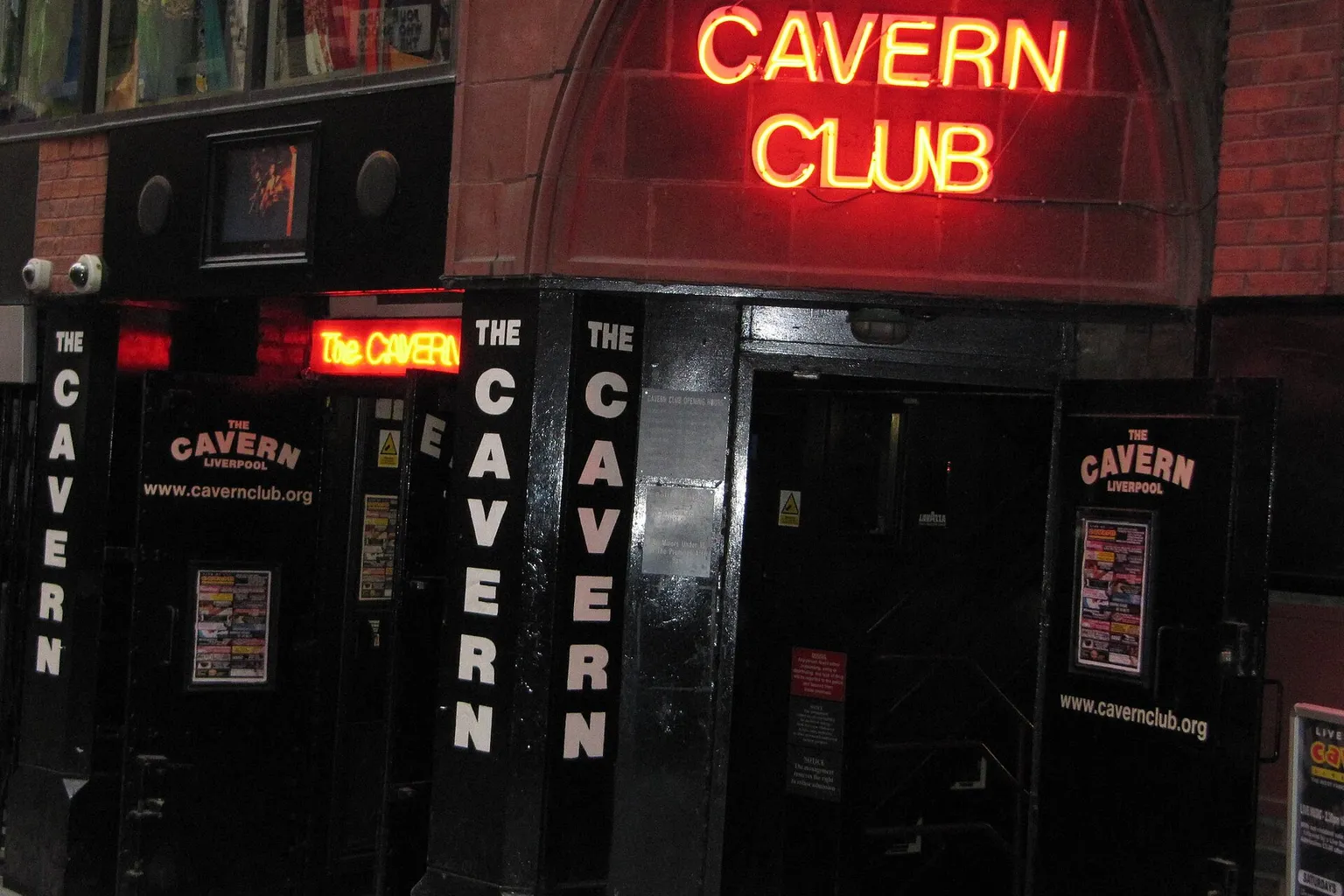
The Cavern Club does not sell general admission online. That single constraint — a venue of international cultural significance operating a door-only, cashless admission system — creates the first logistical bottleneck any group of twenty or more visitors will meet on Mathew Street. For an RCH (Reproductive and Child Health) study tour passing through Liverpool, this is not a quaint quirk of a heritage venue. It is an operational condition that has to be planned around rather than discovered at the door.
Tickets and prices
Book tickets — from €138| Option | Type | From |
|---|---|---|
| Liverpool: Shared Beatles tour with Penny Lane & Cavern Club | day trip | from €129 |
| Adults (18+) single entry | official ticket | from GBP6 |
Prices checked on July 15, 2026 · current price on the partner page.
Prices are indicative and may change — confirm the price and availability on the partner page.
Partner link — GetYourGuide ticketsThe same applies to the building itself. The performance space is underground, reached by a descent of 33 steps. That fact belongs in the itinerary alongside the payment method, age policy and transport arrangements. A group can be perfectly organised on paper and still lose time if one member cannot manage the stairs, a younger participant has to leave before the rest, or the person holding the payment card is standing at the back of the queue.
Here's the field guide: what works, what fails, and how to keep a delegation moving through one of the world's most mythologised basement venues without losing half of it to a queue, a curfew or an avoidable access problem.
The Door-Only Payment System: Why Your Group Can't Just “Buy Tickets Online”
The Cavern Club operates on a fully cashless system. Every pound that crosses the threshold — entry, drinks at the bar, merchandise at the back wall — moves through a card or contactless terminal. No notes, no coins, no emergency collection of small change from the group leader. For tour organisers used to handing a float to a deputy and settling the bill at the end of the evening, this is a systems change worth flagging before anyone leaves the hotel.
General admission pricing, since the last adjustment on 1 June 2022, sits at three tiers:
- £6 — single entry, one visit
- £8.50 — All Day & Night pass, useful if anyone wants to leave for food and return later
- £3 — entry for visitors aged 12 to 17
Children under 12 enter free when accompanied by a paying adult. There is no need to turn the payment process into a complicated group collection, but it does need an owner. Decide who is responsible for admission, who will pay for refreshments, and whether the group will enter together or in smaller units. A card that works for one person's coffee may not be the best arrangement for twenty people trying to move through a busy door.
For a small independent visit, buying at the entrance is straightforward. For a study tour, the difficulty is cumulative. One person checks the price. Another looks for a card. Someone else is still taking photographs outside. A participant has assumed that cash is acceptable. The group leader is trying to count heads while the queue moves. None of these events is dramatic on its own, but together they turn a simple door transaction into a stop-start operation.
The most practical arrangement is to brief the group in advance:
- Tell everyone that the venue is cashless and that cash cannot be used for admission, drinks or merchandise.
- Decide whether the delegation will pay individually or through nominated cardholders.
- Keep the admission money separate from the later bar and merchandise spend.
- Make sure the person responsible for payment is at the front of the group, not searching through a bag after the rest have reached the door.
- Agree on a meeting point outside in case someone arrives late or needs to step away before entry.
The All Day & Night pass deserves a specific decision rather than an automatic recommendation. It is useful when the itinerary includes food nearby or when participants may want to leave and return. It is less useful if the group has only one fixed visit and is moving on to another appointment. The right choice is the one that matches the schedule, not the one that sounds most flexible.
If your study tour is running 15 or more people, the cashless constraint alone will reshape the evening. Plan the payment arrangement before you leave the hotel.
Buying tickets to The Cavern Club, in other words, is less about finding a hidden online booking page than about understanding which admissions are sold at the door and which experiences are pre-arranged. That distinction becomes important when the group has a fixed departure time.
Age Restrictions and Family Entry Policies
The age policy is the second piece of infrastructure that visitors routinely misread. Children under 18 are permitted on the premises only until 8:00 PM, and they must be accompanied by an adult at all times. The under-18 admission price is therefore tied to a particular window: it is not a way to keep a mixed-age group inside for the whole evening.
For RCH delegations travelling with junior researchers, postgraduate students under 18 or accompanying family members, the curfew should be treated as a hard operational boundary. It is not the sort of detail to leave to the judgment of the group on the night. The person building the itinerary needs to work backwards from the 8:00 PM departure.
A workable visit usually has four parts:
1. Set the arrival time early enough to absorb delays. Aiming to be inside by 6:00 PM gives the group time to find the entrance, resolve payment questions and experience the venue without immediately watching the clock.
2. Keep the mixed-age group together on entry. If younger participants are separated from the adults at the start, the group can become difficult to account for later, particularly when the venue is busy.
3. Build in a departure buffer. Leaving at 7:45 PM is more sensible than trying to make a precise 8:00 PM exit. Coat collection, photographs and a final headcount all take longer with a large group.
4. Carry suitable identification. Door staff may ask for proof of age. Each participant should know what identification they have with them before arriving, rather than discovering at the entrance that a document is locked in hotel luggage.
The rule also affects the shape of the evening. A group with participants under 18 cannot treat the Cavern as the first stop in an open-ended night and decide later whether to stay. The visit has to be scheduled as a defined daytime or early-evening activity. If the adults want to continue afterwards, that is a separate plan, not an extension of the same booking.
The same discipline applies to children under 12, who enter free when accompanied by a paying adult. “Free” does not mean unsupervised, and it does not remove the need for the group leader to know exactly who is responsible for each child. In a crowded, subterranean venue, headcounts matter more than the saving at the door.
Do not assume that a university card will automatically settle an age check. The safest approach is to ask participants to carry an accepted form of photo identification and to allow time for the door process. A group that arrives five minutes before its planned start and then discovers an age question is already running behind.
Accessibility Challenges in a Subterranean Venue
The Cavern Club is reached through a descent of 33 steps into the brick-vaulted arches beneath Mathew Street. That is the central accessibility fact for any organiser. It should appear in the pre-visit briefing, not as a warning delivered when the group is standing at the entrance.
Arrangements for visitors who may need assistance must be made in advance with the venue. The published accommodation includes the possibility of making seated arrangements in the Cavern Live Lounge for visitors with disabilities by calling 0151 236 1965 before arrival. That is useful information, but it does not remove the physical question of reaching the underground club. Seating and access are separate matters and need to be discussed separately.
The distinction is important for a mixed professional delegation. Mobility concerns can involve wheelchair use, walking with a stick, reduced balance, severe asthma, late-stage pregnancy, recent orthopaedic surgery or a temporary injury that may not be obvious to the rest of the group. Someone may be able to walk short distances but not manage a 33-step descent safely. Someone else may manage the stairs slowly but need a seat once inside. A responsible itinerary makes room for both situations without asking the participant to explain their medical history in front of the queue.
A useful pre-arrival conversation with the venue should establish:
- Whether the requested seating arrangement can be provided for the date and event.
- How the group should identify itself on arrival.
- Whether the participant will need assistance from a companion.
- What time the group should arrive to avoid rushing the descent.
- What the venue recommends if a participant cannot safely manage the 33 steps.
- Whether a booked show or tour changes the admission procedure, while recognising that it does not by itself establish a different route into the underground club.
The Magical Mystery Tour coach and minibus have capacities of 53 seats and 16 seats respectively, and their tickets include admission benefits described by the venue. Those vehicles depart from a different access point, which makes them a distinct itinerary option, but their departure point and vehicle capacity should not be presented as proof of stair-free access to the club. If a participant cannot manage the 33-step descent, the organiser must confirm the actual arrangement with the venue in advance rather than infer it from the transport format.
The same caution applies to a private tour. A private booking may make the timing, briefing and group management easier, but it does not establish an alternative entrance into the underground performance space. Admission included in a booking is not the same thing as step-free access.
For that reason, the phone call to 0151 236 1965 is not a courtesy gesture. It is part of the booking process. Make it at least a week before arrival where possible, record the advice given, and pass the practical instructions to the group leader and the participant concerned. Door staff on the night may be able to implement an arrangement that has already been discussed; they should not be expected to design one while forty people are waiting behind the group.
The venue requires a 33-step descent. Bookings can help organise the visit, but they do not turn an underground club into a step-free venue. Accessibility arrangements have to be confirmed in advance.
A second operational point is privacy. Do not announce a participant's condition to the whole delegation. The group needs to know the timing, meeting point and relevant safety instruction. The individual should not have to negotiate their access needs publicly at the door.
Booking Private Tours and Pre-Arranged Shows
For organised groups, the most reliable way to remove uncertainty from the visit is to pre-arrange part of the experience. That does not mean every group must buy a private tour. It means the organiser should decide whether the basic door admission is compatible with the group's size, schedule and access requirements.
Two established routes are particularly relevant.
Cavern City Tours private guided tour
This is the structured, narrated option. A two-hour private tour starts at £88.00 and includes free general admission to the Cavern Club afterwards. The tour covers the Beatles-era history of Mathew Street and the venue, begins at street level and can give the delegation a fixed start time, a single booking confirmation and a clearer sequence than an improvised arrival.
Those are real logistics benefits. The group can be briefed before the visit, the organiser has one point of reference for the booking, and the historical explanation is built into the itinerary rather than squeezed between payment and headcounts. For an academic delegation with a limited window in Liverpool, that structure may be worth more than the difference between individual admission and a packaged visit.
It is essential, however, to describe the booking accurately. A private guided tour does not establish an alternative to the 33-step descent into the underground club. It can organise the visit and include admission, but any participant who may have difficulty with the stairs still needs an accessibility conversation with the venue before the booking is finalised.
Cavern Live Lounge show or Magical Mystery Tour ticket
A booked Cavern Live Lounge show or a Magical Mystery Tour ticket includes free general admission to the front room of the Cavern Club as part of the booking. The Live Lounge is a smaller performance space with ticketed shows throughout the week. The Magical Mystery Tour is the Beatles-themed coach or minibus excursion, with the stated capacities of 53 seats on the coach and 16 on the minibus.
These options can be useful when the delegation wants a defined activity rather than an unstructured stop. They may also reduce the pressure of a general-admission queue because the group is arriving with a booking to verify rather than trying to make a large number of separate door payments. That is a practical improvement, not a promise of priority access in every circumstance.
Before booking, match the option to the group's actual purpose:
- Choose a private guided tour when the delegation needs a narrated, time-controlled historical visit.
- Choose a Live Lounge show when the group wants a scheduled performance and can work with the event time.
- Choose the Magical Mystery Tour when the coach experience and Beatles-focused city context are part of the itinerary.
- Choose ordinary general admission when the group is small, flexible and comfortable with a door transaction.
- Contact the venue directly when mobility or seating requirements are involved, regardless of which ticket type is selected.
For groups of ten or more, walking up and expecting to pay individually is usually the least controlled option. It may work at a quiet time, but it leaves the organiser exposed to a queue, a crowded interior or a delay at the payment terminals. A pre-booked experience does not solve every issue, but it gives the group a fixed reference point and makes the evening easier to manage.
One further distinction matters: a booking that includes free general admission is not necessarily a reserved place in every part of the venue. The organiser should read the ticket terms, check where the group is expected to report and confirm what the booking covers. “Admission included” and “exclusive access” are not interchangeable phrases.
Managing Group Expectations and Door Staff Discretion
A large part of successful Cavern Club planning consists of explaining what the venue does not promise. Tour leaders often ask about group discounts, guest lists, queue jumps or academic arrangements. The general admission system does not turn into a different system because the visitors are travelling for professional or educational reasons.
The following assumptions should be removed before the group arrives:
- There is no automatic group discount. The stated admission tiers remain the starting point for general entry.
- There is no general guest-list process for an ordinary visit. Sending an email with participant names does not replace a booking.
- There is no guaranteed academic fast track. An RCH study tour has a professional purpose, but that does not create a special entrance lane.
- A large group does not automatically receive priority. Door staff still manage admission according to the conditions inside the venue and the booking arrangement on the night.
- A ticket does not cancel the need for a headcount. The organiser remains responsible for knowing who has entered, who is outside and who has left.
That last point is easy to overlook in a venue built around movement. Participants stop to photograph the entrance, drift towards the bar, or assume that a colleague is already inside. Establish a simple rule: nobody leaves the group without telling the designated leader or deputy, and everybody knows where to regroup if separated.
Door staff also have to manage a continuous flow of visitors into a confined underground space. If a group of fifteen arrives at a busy time, staff may hold the party briefly while they manage the movement inside. That is not the same as rejecting the group, and it is not something the organiser can eliminate by insisting that the visit is educational. It is a capacity and flow question at the entrance.
The best mitigation is to control the variables that can be controlled:
- Arrive before the busiest part of the evening where the itinerary allows.
- Prefer a weekday if the dates are flexible.
- Use a pre-arranged tour or show when the group has a fixed onward appointment.
- Keep the group physically together until the entry decision is complete.
- Avoid promising participants that they will enter at an exact minute unless the booking terms say so.
- Leave enough time for the descent, payment or confirmation check, coat arrangements and the final headcount.
Do not brief the group with a fantasy of frictionless access. Tell them that the venue is historic, underground and busy; that admission is cashless; that under-18s must leave by 8:00 PM; and that accessibility arrangements must be made ahead of time. Clear expectations prevent the door staff from being cast as the source of a problem that the itinerary created.
Turning the Booking into a Workable Itinerary
The useful booking decision is not simply “buy tickets” or “do not buy tickets.” It is a sequence of decisions made in the right order.
Before the group leaves the hotel, the organiser should have settled the following:
1. Who is attending? Count adults, participants aged 12 to 17, children under 12 and anyone who may need an access or seating arrangement. Do not rely on a broad estimate such as “about twenty.”
2. What is the time limit? If anyone under 18 is attending, the group needs to be out before the 8:00 PM restriction. If there is a train, meeting or dinner afterwards, add a realistic buffer rather than using the venue's closing moment as the departure time.
3. Which admission route fits? General admission is suitable for a flexible small group. A private tour or ticketed show is more controlled for a larger delegation, but each booking still needs to be checked for what it includes.
4. Who owns the payment? Cashless entry requires a card or contactless payment. Nominate people in advance and make sure they know whether they are paying only for admission or also for shared purchases.
5. What has the venue confirmed? For accessibility, seating or unusual group requirements, keep a record of the call or correspondence and make sure the on-site leader knows the agreed procedure.
6. Where is the regrouping point? Choose it before arrival. It may be outside the venue or at another agreed location on Mathew Street, depending on the itinerary.
7. What happens if somebody cannot manage the stairs? This is not a question to answer on the spot. Contact the venue in advance, explain the specific requirement and do not promise an alternative route unless the venue has confirmed one.
A short briefing sent to participants can cover the essentials without turning the visit into a compliance exercise:
- Bring the required payment method; the venue is cashless.
- Bring photo identification if age may be questioned.
- Wear footwear suitable for a 33-step descent and crowded venue conditions.
- Tell the group leader privately in advance about any mobility, respiratory or other concern that could affect the descent or time spent standing.
- Follow the agreed departure time if under-18 participants are in the group.
- Keep personal belongings together and report when leaving the group.
This is also where the organiser should be honest about the nature of the visit. The Cavern Club is not a conference facility. It is a working entertainment venue with a famous history, a busy entrance and a physical layout that cannot be remodelled around every visiting delegation. The more the itinerary treats it as a real venue rather than a commemorative photo stop, the fewer surprises there will be.
The Practical Reading of Cavern Club Booking Tips
Searches for cavern club Liverpool tickets, Liverpool Cavern Club tickets and Cavern Club booking tips often suggest that the main challenge is finding the right price. For a study tour, price is only one line in the decision. Timing, participant age, payment, group control and access arrangements determine whether the visit works.
The cheapest admission can become the most expensive option in staff time if the group arrives without a plan. A private tour can be good value because it gives a fixed structure, but it should not be sold as a solution to a staircase that a participant cannot use. A show booking can remove some uncertainty at the door, but it still needs to be checked against the group's age profile and physical requirements. The Magical Mystery Tour may suit a delegation interested in the wider Beatles and Mathew Street context, but its vehicle capacity and different departure point should not be confused with confirmed step-free entry to the underground club.
The phrase “buy tickets The Cavern Club” therefore hides several different transactions:
- General admission purchased at the cashless door.
- A pre-booked private tour that includes later general admission.
- A ticketed Live Lounge show with admission benefits.
- A Magical Mystery Tour ticket with admission benefits.
- A group itinerary that may require direct contact with the venue before any ticket is purchased.
A good organiser identifies which of these the group actually needs. The answer depends less on the size of the venue's legend than on the shape of the delegation.
Closing Position
The Cavern Club runs like a piece of heritage infrastructure optimised for foot traffic on Mathew Street: admission at the door for general visitors, cashless payment, an underground performance space and a firm age boundary in the evening. For an independent traveller, those are manageable quirks. For a study tour moving twenty or thirty people through Liverpool, they are logistics.
The three constraints that deserve attention are clear:
- Cashless admission means the payment method and responsible cardholders must be decided before arrival.
- The 8:00 PM under-18 restriction means mixed-age groups need an early, defined visit and a reliable departure buffer.
- The 33-step descent means accessibility arrangements must be discussed with the venue in advance. A private tour, coach or pre-arranged show may improve the organisation of the visit, but none should be assumed to provide an alternative route into the underground club.
Pre-book a private tour or Live Lounge show when the delegation needs structure. Contact the venue about seating or access requirements before finalising the itinerary. Brief every participant on payment, identification, timing and the stairs. Then let the historical experience do what it is supposed to do: occupy the centre of the evening, rather than the administrative problem of getting there.
That is how to keep an RCH study tour on schedule in a basement venue that was never designed around the needs of a twenty-person delegation — without promising facilities, access routes or exceptions that the booking does not actually provide.
Practical info
Currency: GBP
Driving: on the left
Emergency number: 112