Empowering Indigenous Midwives: Beyond Symbolic Recognition to Systemic Integration
According to the World Bank Group, that invisible workforce is finally being mapped ahead of this year's International Day of the World's Indigenous Peoples, but recognition without registration…
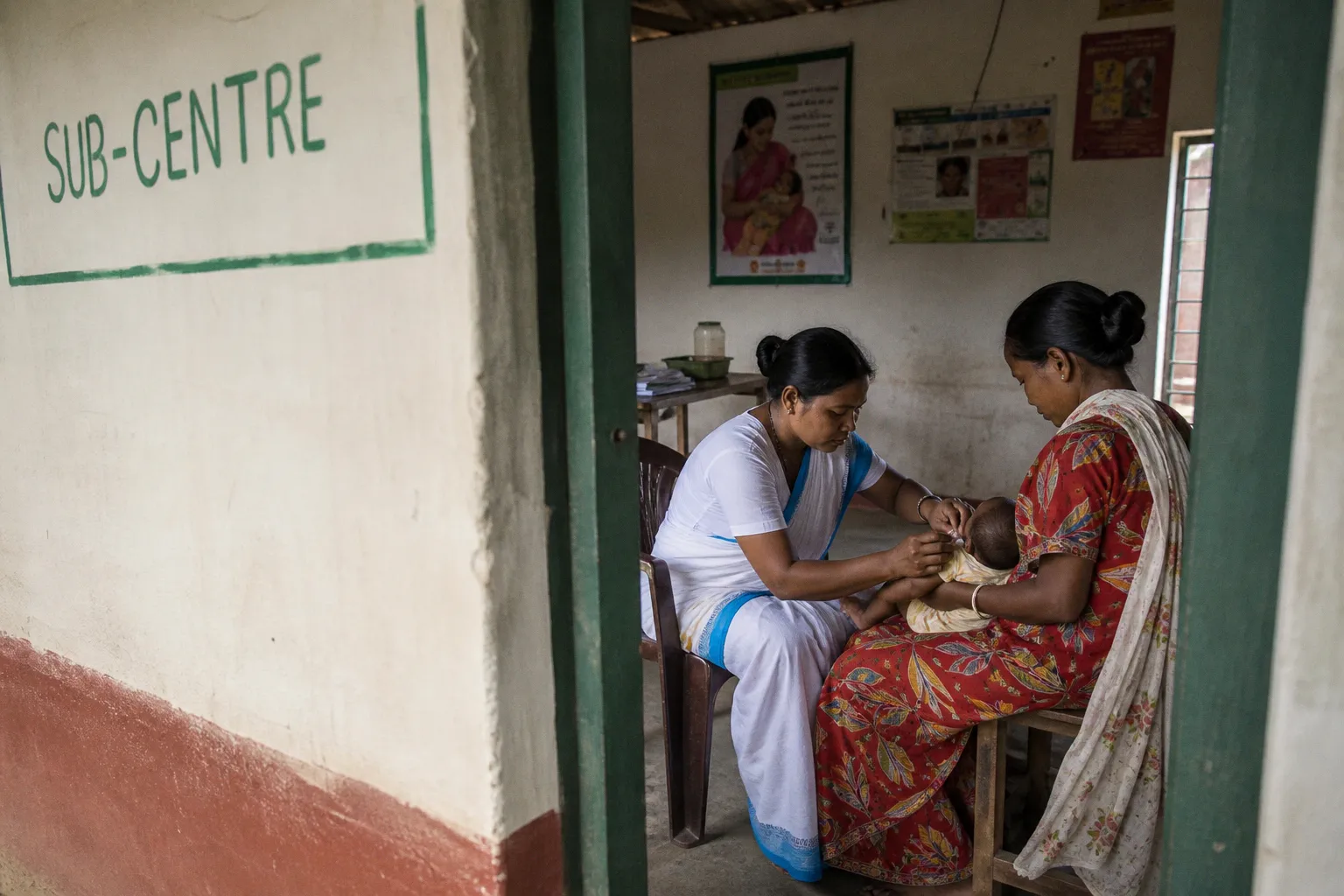
For decades, the people actually delivering babies in some of the hardest-to-reach regions haven't been inside clinics — they've been indigenous midwives working outside formal payrolls, protocols, and procurement systems. According to the World Bank Group, that invisible workforce is finally being mapped ahead of this year's International Day of the World's Indigenous Peoples, but recognition without registration, supplies, and referral pathways is just a plaque on a wall.
The infrastructure still ignores the workforce
The recognition problem is operational, not symbolic. As the World Bank Group's reporting makes clear, indigenous midwives and community caregivers carry pregnancy triage, newborn care, and high-risk referrals in regions where the nearest formal facility is hours away. Yet most of this work happens off the books: no IDs, no equipment budgets, no integration into supply chains, no formal hand-off protocol with district hospitals.
Guatemala offers the cleanest fix-the-leak blueprint. A 2015 National Policy of Midwives formally recognized comadronas as actors inside the national health system. That single administrative move produced a national registry, official institutional identification, annual supply kits, and incentives — the kind of unglamorous infrastructure that actually shifts outcomes. Comadronas still assist roughly a third of all births in the country, and nearly 19,500 now hold official credentials linking them to the Ministry of Health.
What structured support actually moves
The numbers from the same programme tracks show what happens when registration gets teeth rather than a photo-op. In Guatemala's Lake Atitlán region, a small World Bank-supported grant trained comadronas to flag high-risk pregnancies and refer women to hospitals, supplied basic sanitary materials, and ran lessons in indigenous languages. Maternal deaths in that region fell from 18 to 3 over the training period.
The World Bank-financed Crecer Sano Project has since trained 4,500 comadronas as "friends of breastfeeding" and pulled them into facility design and clinician exchanges — exactly the cross-pollination that converts community trust into clinical outcomes. Panama has trained more than 196 traditional midwives under a programme that produced the country's first National Midwifery Training Manual. Lao PDR has upskilled 3,250 ethnic minority women as village facilitators in maternal, child, and nutrition work.
The India frontier: tribal belts still running on tradition
For India's Adivasi and tribal districts, the question is now structural, not cultural. As reported by The Indian Tribal, indigenous midwives continue to sustain communities such as the Bhils of Rajasthan, where maternal care has long lived in forests rather than on facility rosters. Any serious integration will need three things moving in parallel:
- A verified, deduplicated registry of practicing birth attendants — paid for, regularly audited, and tied to local PHC jurisdictions.
- A working supply pipeline for delivery kits, ferrous-folic acid tabs, misoprostol, and newborn essentials — not a one-time inauguration handout.
- A two-way referral system with transport financing, so traditional midwives aren't stranded when a complication demands a higher-level facility.
The Guatemala template — registry plus supplies plus incentives plus a recognized National Day of the Guatemalan Comadrona — is the most operational blueprint on the table. Without those four pieces, recognition stays a slogan, and the maternal mortality gap in India's most remote districts doesn't move.