Bridging the Funding Gap: New Economic Evidence to Scale Breastfeeding Support
The World Health Organization reports that the Global Breastfeeding Collective, led by WHO and UNICEF, has launched new evidence and an advocacy brief intended to accelerate investment in breastfeeding.
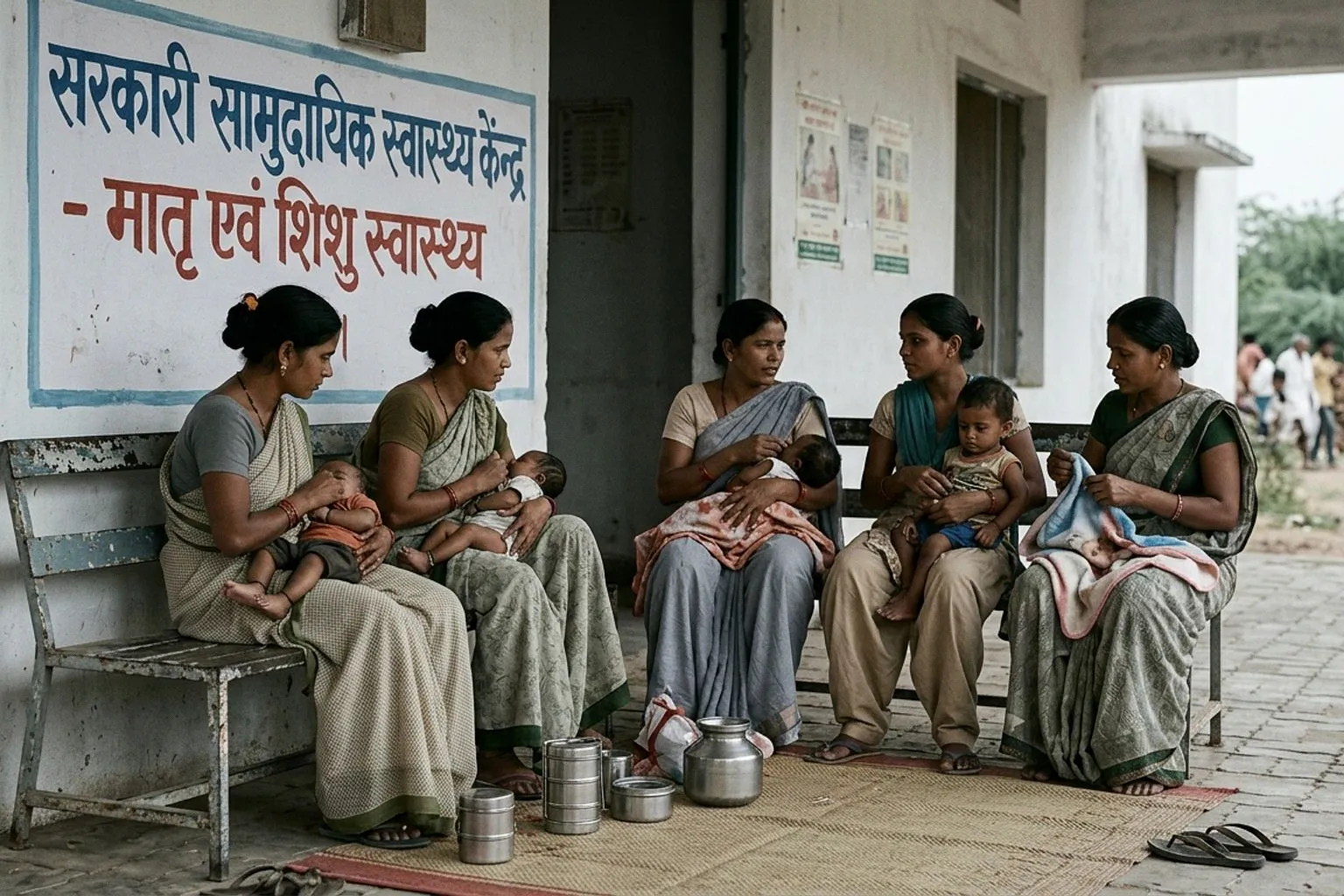
The move targets a familiar systems problem: breastfeeding support is widely discussed, but the economic case for financing it is still not reaching enough policymakers and donors. For maternal and child health services, the important question is no longer whether breastfeeding matters—it is whether health systems can turn evidence into funded, trackable support.
The bottleneck is financing, not messaging
The updated global investment case was produced in collaboration with Nutrition International. Its purpose is to give policymakers, donors and advocates a current economic argument for closing the financing gap around protecting and supporting breastfeeding.
That framing matters. A breastfeeding programme can fail long before a mother reaches a clinic:
- funding is not assigned;
- support is treated as an optional add-on;
- frontline services lack a clear implementation pathway;
- decision-makers receive advocacy language without an investment model.
The WHO announcement positions the new evidence as a tool for investment decisions, not simply as another public-awareness campaign. Nutrition International is expected to explain the methodology and findings, followed by a panel on what the evidence means for policy and investment decisions in different country settings.
For district-level health systems, that is the usable part of the announcement. The investment case should be read as a way to test whether breastfeeding support is being treated as infrastructure: planned, financed and integrated into routine services rather than left to individual initiative.
What health planners should look for
The available evidence does not announce a new country programme, funding allocation or clinic protocol. It does, however, identify the pressure points that future plans will need to address.
First, examine the methodology behind the investment case. A headline about cost-effectiveness is not enough. Planners need to know what assumptions support the case and how those assumptions can be applied to local service delivery. Without that bridge, global evidence risks becoming another document that sits above the supply chain while clinics continue operating without the required support.
Second, separate advocacy from operational commitments. The brief is designed to accelerate investment, but the announcement does not specify which governments or donors will change their budgets. The next signal to track is therefore concrete implementation:
- new financing commitments;
- defined responsibilities for health services;
- measurable support requirements;
- country-level decisions based on the evidence.
Third, watch the country perspectives panel. Its value will depend on whether it translates the global argument into decisions on the ground. General support for breastfeeding is easy to endorse. The hard work is identifying where the system breaks and assigning resources to repair it.
The next test is delivery
WHO and UNICEF scheduled the webinar with simultaneous interpretation in Arabic, Chinese, English, French and Russian, and planned two sessions to accommodate different time zones. That indicates an effort to widen access to the evidence. Access, however, is only the first logistics step.
The practical test begins after the webinar: can the findings move from a global advocacy brief into district plans, budget lines and routine maternal and child health services?
UNICEF separately presents exclusive breastfeeding as giving babies “the healthiest start.” The operational implication is straightforward: if breastfeeding is a health-system priority, support must be visible in the system’s design—not just in campaign language. The next stage to monitor is whether the new investment case produces decisions that clinics and families can actually feel.