How the PMMVY Cash Transfer Scheme Improves Maternal Health Outcomes
According to the Press Information Bureau, the Ministry of Women and Child Development has laid out fresh progress on the Pradhan Mantri Matru Vandana Yojana (PMMVY) — a conditional cash transfer…
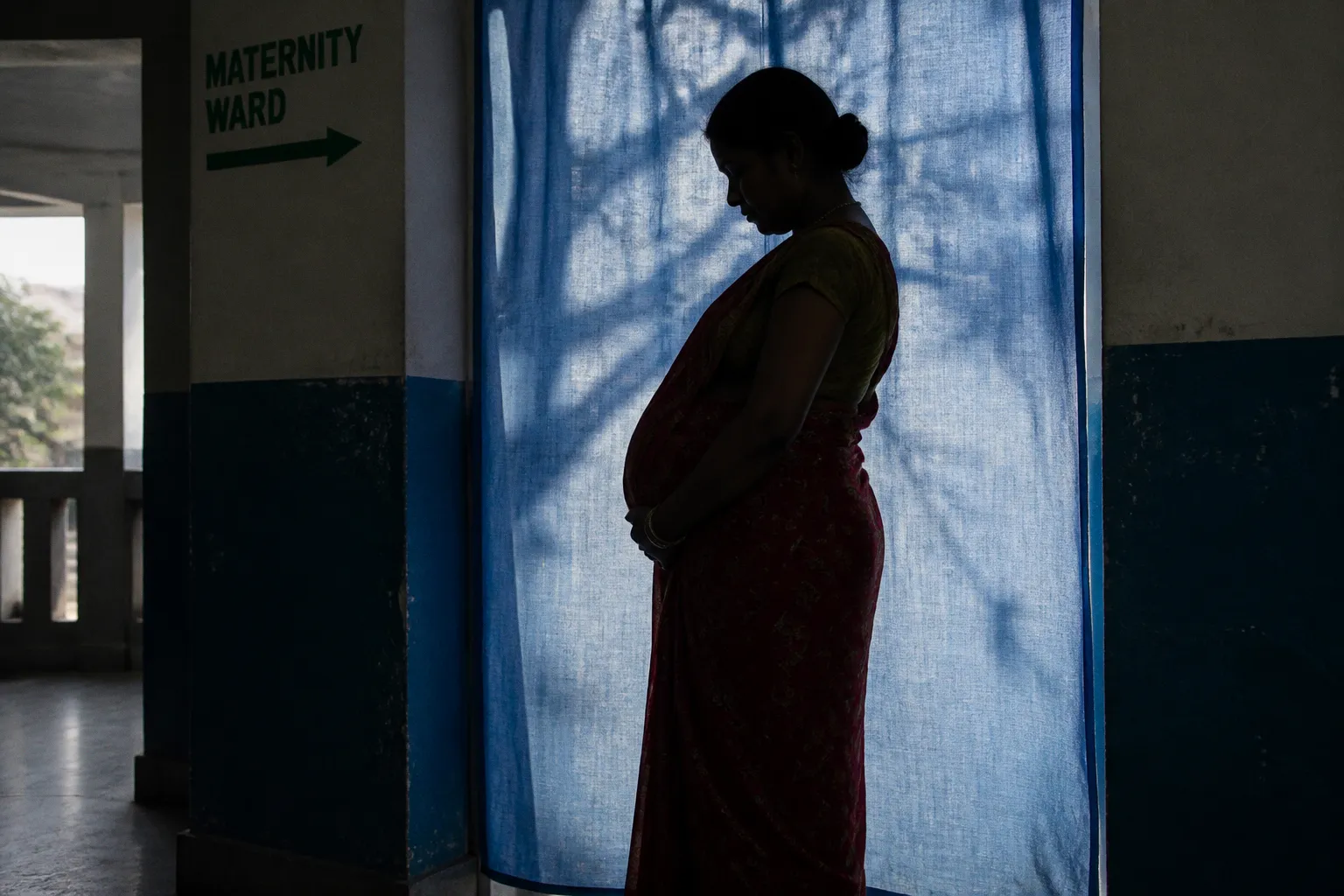
According to the Press Information Bureau, the Ministry of Women and Child Development has laid out fresh progress on the Pradhan Mantri Matru Vandana Yojana (PMMVY) — a conditional cash transfer scheme aimed squarely at the women I spend every working day thinking about: pregnant and lactating mothers, especially those navigating pregnancy on tight household budgets. In a month when one state alone has flagged thousands of August deliveries as high-risk, the timing of this update matters more than a routine press release usually does.
What PMMVY is actually doing on the ground
The scheme channels direct cash incentives to pregnant and lactating women, with the explicit intent of nudging health-seeking behaviour and improving maternal nutrition. For a community midwife like me, that framing is the part worth pausing on. It is not charity dressed as policy — it is an attempt to lower one of the most stubborn barriers we encounter in clinic: the cost of showing up. When a woman has to weigh a bus fare, a missed day's wages, or an extra litre of milk against an antenatal visit, the incentive changes the calculation. The PIB statement ties the transfers to better nutrition and more consistent engagement with antenatal care, which is the pathway I recognise from my own caseload.
Why the Rajasthan flag should be on every practitioner's desk
The Times of India reports that Rajasthan's health department has identified 5,642 pregnant women due for delivery in August 2026 as high-risk, with the department emphasising close monitoring and timely specialist referral to curb maternal mortality. Read that number slowly. In one state, in one month, that is the size of a small town's obstetric cohort requiring extra hands, extra eyes, and a tighter loop between primary and tertiary care. For frontline workers, the takeaway is operational: line up your referral partners now, confirm blood bank and emergency obstetric coverage, and make sure the high-risk tags in your register translate into actual contact, not just a line in a spreadsheet.
What I would tell a patient walking into my clinic this week
Bring every ANC card you have, ask the ASHA or Anganwadi worker exactly which instalment of PMMVY you are eligible for and what documentation unlocks it, and do not wait for a complication to escalate before asking for a referral. If you have been told your pregnancy is high-risk, that label only protects you if it triggers a concrete plan — a named hospital, a known transport route, and a contact number that picks up after hours. Schemes like PMMVY buy us the time and the nutrition margin; the clinical system still has to do its part.