Engineering training in promoting holistic health and population stability
By The Hans India, the headline "Engineering training in promoting holistic health and population stability" appeared on 31 July 2026, with the underlying report carrying no extractable…
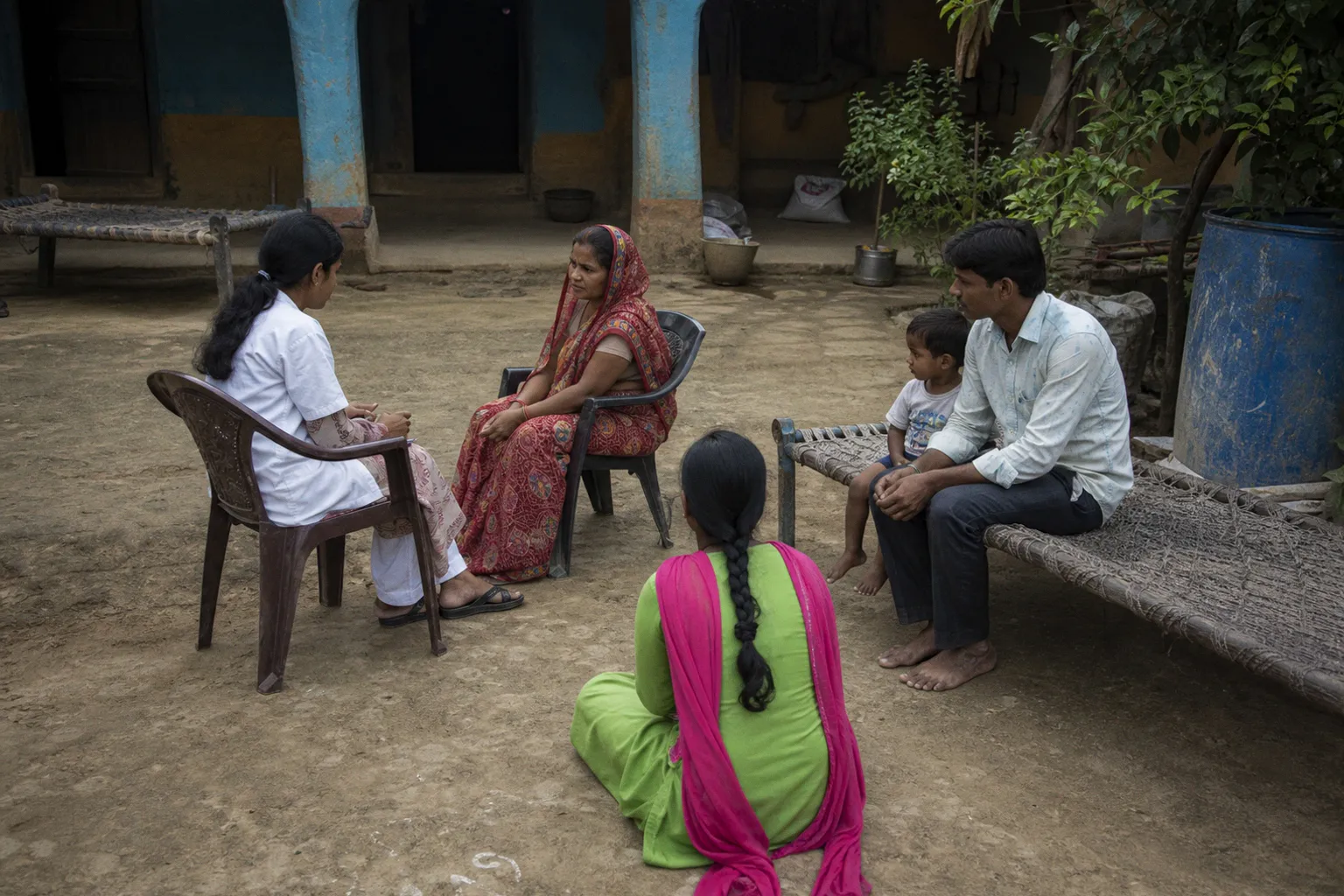
By The Hans India, the headline "Engineering training in promoting holistic health and population stability" appeared on 31 July 2026, with the underlying report carrying no extractable methodological detail beyond the title itself.
The reported framing
The item positions engineering pedagogy as a delivery channel for population-level health objectives. The proposition under examination is whether technical training pipelines can be redirected toward demographic and public-health endpoints. The Hans India, in the material available, specifies no institution, cohort size, curriculum hours, faculty composition, or evaluation metrics.
Where the evidence runs thin
Two terms in the headline carry distinct indicator sets. "Holistic health" typically spans maternal nutrition, child morbidity indices, mental-health screening, and preventive service uptake; "population stability" maps onto total fertility rates, age-structure pyramids, migration-adjusted cohort sizes, and contraceptive prevalence. Which outcome domain the reported programme targets — or whether it claims both — cannot be stratified from the title alone. The confidence interval, stated plainly, is undefined.
Adjacent signals in the same cycle
Three concurrent items place the headline inside a broader restructuring of the public-health workforce apparatus. PGIMER Chandigarh has concluded its 34th International Public Health Management Development Program, positioned by India News Calling as a contribution to global nursing leadership. Separately, ASTHO has published a 2026–2031 roadmap for immunization programme resilience. A third item, carried by Diario AS, tracks population-level intake patterns against daily habits. These are parallel signals — not components of the engineering-training event — but they share a directional indicator: technical and managerial infrastructure being repositioned toward measurable population outcomes.
What the data demands before a conclusion
For district-level reproductive and child health programme managers and demographic analysts, the operative variables are empirical. Is the reported training a standalone module, an institutional partnership, or a degree-track revision? What outcomes are measured, against what baseline, and over what follow-up window? Are district-level RCH indicators inside the evaluation framework, or is the scope confined to engineering cohorts themselves? Until the primary text is accessible, the ledger entry is a headline — not a finding.