Shaping the Next Decade of Reproductive Health: A Call for Indian District Insights
The World Health Organization, alongside UNDP, UNFPA, UNICEF and the World Bank, has launched a global public consultation to map the next decade of sexual and reproductive health and rights.
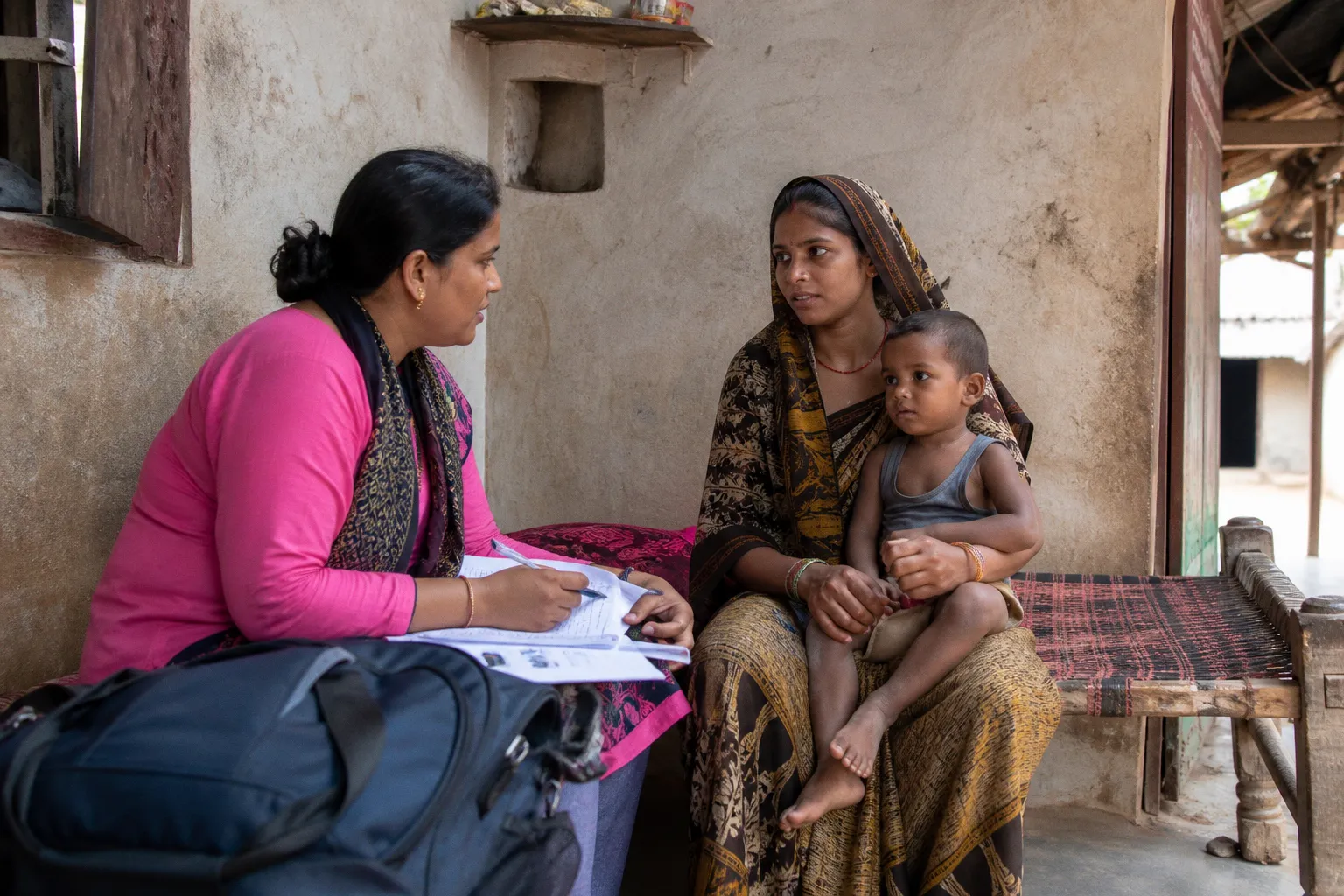
For India's overstretched district health systems, this is not a Geneva talking shop — it is a narrow window to push frontline breakdowns into a 2027 research agenda that donors and ministries will actually cite.
How the foresight exercise runs
HRP, the joint UN programme on human reproduction, is leading a 2026–2036 foresight and research prioritisation process. The method is signal-scanning: identifying small or large shifts — technological, geopolitical, environmental — that could reshape how SRHR services are financed, delivered or rolled back. Submissions feed into a published report and a research agenda due in 2027. Responses are anonymised; WHO reserves the right to use AI in analysing entries, in line with its internal standards.
Why district-level India should weigh in
The call explicitly invites health workers, community groups, youth networks and rights movements — the exact voices that rarely surface in published fora. India's value here is not in forecasting 2036. It is in writing current infrastructure decay — ASHA attrition, ANM workload strain, adolescent reproductive care gaps, antenatal coverage shortfalls — into a document that shapes research money and workforce planning for the next ten years. If district realities don't make it into the submissions, they won't make it into the agenda.
Signals worth flagging from the ground
The consultation wants emerging signs of change, from any sector, that may shift SRHR trajectories. Practical inputs from an Indian district perspective:
- ASHA and ANM workforce attrition patterns and how they reshape last-mile delivery
- Adolescent fertility and contraceptive access patterns, anonymised by district
- Climate-driven disruptions to maternal nutrition supply chains
- Telemedicine and AI-triage protocols already changing first-contact care in rural PHCs
Submissions require basic descriptive details — name, contact email, country, sector — and can be made by individuals, organisations or informal groups.