Fixing the Metabolic Bottleneck: Carnitine Transport Vehicles for Fat Oxidation
Flooding your system with green tea extract without upgrading your mitochondrial transport is a structural failure. To actually burn mobilized fat, you must fix the cellular logistics with the correct form of L-Carnitine.

People deploy green tea extract expecting a metabolic miracle. The active compound, EGCG, does its job: it triggers lipolysis, breaking down stored triglycerides and dumping free fatty acids into the bloodstream. But that is merely a supply-side action. If your cellular infrastructure lacks the transport vehicles to move those fatty acids across the mitochondrial membrane, the system bottlenecks. The cargo sits on the dock, the fat recirculates, and the entire protocol fails. You do not have a fat-loss problem; you have a logistics failure.
At a glance
| Product | Price | Rating | Best for |
|---|---|---|---|
| NOW Foods Sports Liquid L-Carnitine, Citrus, 473 ml | €20.03 | ★★★★★ 4.7 · 1,882 reviews | For rapid, scalable titration of metabolic transport vehicles. |
| California Gold Nutrition Acetyl-L-Carnitine, 500 mg, 60 Capsules | €18.18 | ★★★★★ 4.7 · 3,494 reviews | For dual-action neurological and systemic metabolic support. |
| Codeage Liposomal Acetyl L-Carnitine+, 500 mg, 90 Capsules | €33.30 | ★★★★★ 4.8 · 313 reviews | For bypassing compromised gastrointestinal absorption pathways. |
| MRM Nutrition CoQ-10 L-Carnitine Liquid, Orange-Vanilla, 480 ml | €35.91 | ★★★★★ 4.9 · 8,395 reviews | For comprehensive mitochondrial infrastructure repair. |
| ProSupps L-Carnitine 3000 Liquid Shots, Berry, 473 ml | €30.32 | ★★★★★ 4.7 · 1,103 reviews | For heavy-duty, high-volume fatty acid transport. |
| NOW Foods L-Carnitine, 500 mg, 180 Capsules | €45.79 | ★★★★★ 4.8 · 6,238 reviews | For long-term, high-volume baseline supply chain maintenance. |
| Nutricost Acetyl L-Carnitine, 500 mg, 30 Capsules | €7.15 | ★★★★★ 4.8 · 2,471 reviews | For low-cost, short-term triage of metabolic pathways. |
Our picks: Mitochondrial Transport Vehicles
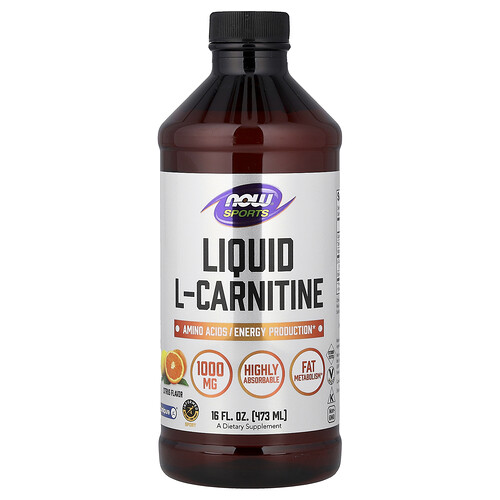
Best for: For rapid, scalable titration of metabolic transport vehicles.
Pros
- Fast-absorbing liquid infrastructure
- Easy to titrate exact payloads
- No capsule breakdown required
Cons
- Requires refrigeration after opening
- Citrus flavoring adds unnecessary variables
What to watch: Monitor gastrointestinal response when scaling up liquid payloads rapidly to avoid osmotic distress.
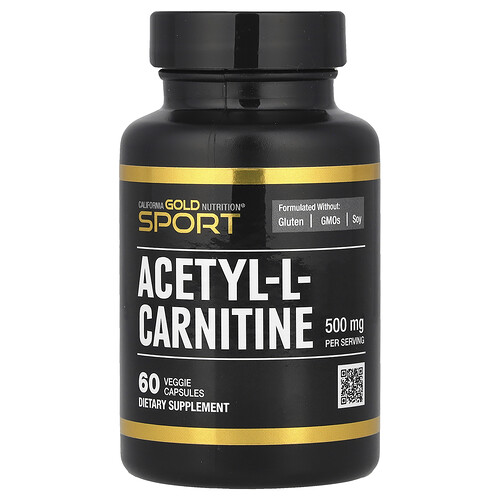
Best for: For dual-action neurological and systemic metabolic support.
Pros
- Acetylated form crosses the blood-brain barrier
- Stable capsule infrastructure
- Clean, single-ingredient profile
Cons
- Fixed 500mg payload limits micro-dosing
- Slower systemic uptake than liquids
What to watch: May cause mild overstimulation if deployed too close to sleep cycles.
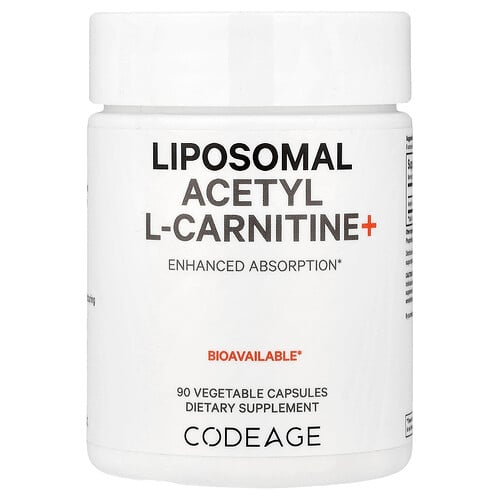
Best for: For bypassing compromised gastrointestinal absorption pathways.
Pros
- Liposomal casing protects the payload
- Maximum cellular delivery efficiency
- Avoids standard transport degradation
Cons
- Higher operational cost per dose
- Complex phospholipid matrix isn't strictly necessary for everyone
What to watch: Check for interactions if you have known sensitivities to the lipid delivery matrix.
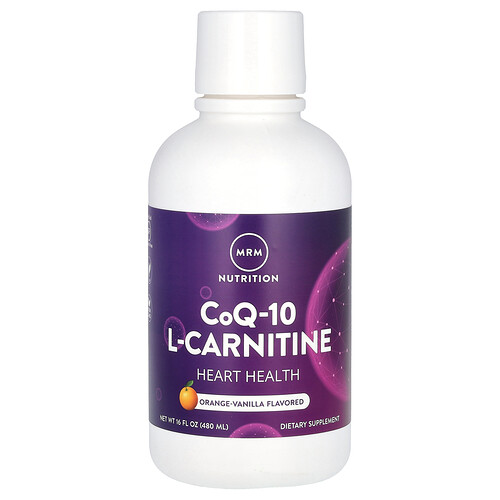
Best for: For comprehensive mitochondrial infrastructure repair.
Pros
- Combines transport (Carnitine) with ignition (CoQ10)
- Liquid form for immediate deployment
- Consolidates two protocols into one
Cons
- Fixed ratio of active ingredients limits flexibility
- Vanilla-orange flavoring is polarizing
What to watch: Do not use if contraindicated for supplemental CoQ10 by a medical professional.
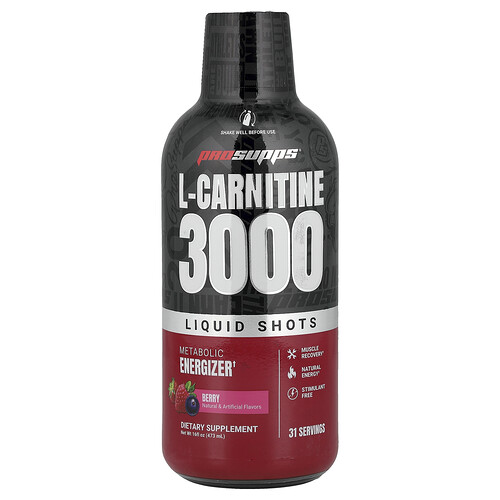
Best for: For heavy-duty, high-volume fatty acid transport.
Pros
- Massive 3000mg payload per serving
- Zero preparation time required
- Clears severe transport bottlenecks quickly
Cons
- High payload may overwhelm unadapted systems
- Contains artificial preservatives
What to watch: High single doses can cause acute gastrointestinal failure; deploy gradually.
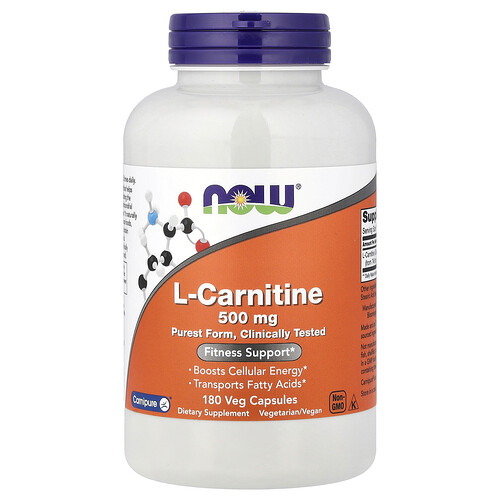
Best for: For long-term, high-volume baseline supply chain maintenance.
Pros
- Deep reserve of 180 capsules
- Predictable, stable dosing
- Vegetarian capsule infrastructure
Cons
- Requires swallowing multiple units for high doses
- Standard L-Carnitine has lower bioavailability than ALCAR
What to watch: Store in a dry environment; capsules degrade rapidly in high humidity.
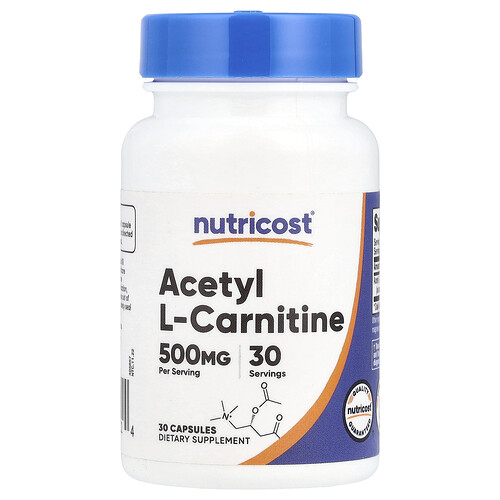
Best for: For low-cost, short-term triage of metabolic pathways.
Pros
- Highly cost-effective deployment
- Standard 500mg acetylated payload
- Minimal filler profile
Cons
- Small 30-count supply chain requires frequent restocking
- Basic packaging offers limited environmental protection
What to watch: Small bottle size means you will run out quickly during a sustained protocol.
I evaluate metabolic protocols the exact same way I troubleshoot pediatric supply lines in resource-strapped clinics: identify the bottleneck, deploy the specific chemical infrastructure required to clear it, and ignore the marketing noise. When you use green tea extract, you are flooding the system with raw materials. L-Carnitine is the mandatory transport fleet required to burn them. We are not interested in theoretical policy debates about metabolism; we need structural solutions that work on the ground.
We need to look at the structural delivery mechanisms of L-Carnitine to optimize this grid. The market is flooded with useless proprietary blends, but the only variables that actually matter are the form of the active ingredient—liquids for rapid titration, acetylated forms for neurological crossover, and liposomal structures for compromised absorption pathways. Let's strip away the utopian tech-babble and look at the physical realities of these supply lines.
Why does green tea extract fail without carnitine?
Green tea extract mobilizes fat into the bloodstream, but carnitine is the mandatory shuttle that carries it into the mitochondria to be oxidized. Without this transport mechanism, the mobilized fat simply recirculates and stores itself again.
Think of your metabolism as a failing power grid. Green tea extract mines the coal and piles it outside the plant. If you don't have the conveyor belts (L-Carnitine) to move that fuel into the furnace (the mitochondria), energy production halts entirely. Systemic bottlenecks occur when lipolysis outpaces transport capacity. Upgrading your carnitine infrastructure ensures that the fatty acids mobilized by your green tea protocol are actually destroyed rather than recycled back into adipose tissue. It is a simple matter of matching supply with transport capacity.
Which form of carnitine clears the bottleneck best?
Acetyl-L-Carnitine (ALCAR) crosses the blood-brain barrier for dual neurological and metabolic support, while liquid L-Carnitine base provides rapid, high-payload transport for muscular metabolism.
The structural differences dictate the operational outcome. You must match the form to the specific system failure you are experiencing:
- Liquid Base: Bypasses the mechanical breakdown of capsules. Ideal for immediate, high-volume deployment before physical output.
- Acetylated (ALCAR): The attached acetyl group allows the molecule to service neurological infrastructure. It is the superior choice if metabolic fatigue is causing cognitive lag and brain fog.
- Liposomal: Encapsulates the active payload in a lipid matrix, bypassing standard gastrointestinal degradation. Deploy this triage protocol only if standard forms fail to absorb due to gut infrastructure decay.
How do you dose transport protocols efficiently?
Titrate liquid forms starting at 1,000 mg to gauge gastrointestinal tolerance, or use 500 mg acetylated capsules for sustained, predictable baseline infrastructure.
Never flood an unadapted system with maximum payloads. A 3,000 mg liquid shot deployed on day one will likely cause acute osmotic diarrhea—a complete and total failure of the gastrointestinal supply line. Scale the operation logically. Establish a baseline with a 500 mg capsule protocol. If the system tolerates it, incrementally increase the payload to match the lipolytic output of your green tea extract. Consistency in the supply chain is far more critical than random, massive doses. A doctor must always evaluate your baseline health before you scale up these protocols.
Verdict
For pure, scalable metabolic logistics, the NOW Foods Liquid L-Carnitine clears the transport bottleneck most efficiently and allows for precise payload titration. If neurological fatigue is compounding your metabolic issues, pivot your infrastructure to the California Gold Nutrition Acetyl-L-Carnitine to service both the brain and the mitochondria simultaneously.
This article is not medical advice. Food supplements replace neither a balanced diet nor treatment — if you have symptoms, your doctor decides.
Ad · affiliate links · If you buy through these links, we earn a commission.