System Repair: Which Is The Best Magnesium For Sleep
Sleep failure is a structural breakdown of the central nervous system. Deploying the right form of magnesium is critical to bypassing digestive bottlenecks and repairing your biological infrastructure.

Sleep isn’t a luxury; it’s a critical infrastructure repair cycle. When that cycle breaks down, the central nervous system spirals into a state of chronic operational decay. You don’t fix a collapsing bridge with duct tape, and you don’t fix a shattered circadian rhythm with vague calming teas. You need structural intervention. Magnesium acts as the primary dampener for the NMDA receptors—the biological equivalent of shutting off a blaring alarm system. But deploying magnesium effectively requires understanding the logistics of absorption.
Editors' pick
BioEmblem Magnesium Glycinate with Zinc Picolinate, 90 vegetarian capsules — For users requiring a highly bioavailable, capsule-based payload that targets neurological calm without digestive disruption.
Our picks: Magnesium By Delivery Form

For users requiring a highly bioavailable, capsule-based payload that targets neurological calm without digestive disruption.
Pros
- High-efficiency glycinate compound bypasses GI irritation.
- Added zinc supports cellular repair protocols.
- Vegetarian capsule dissolves predictably in the upper intestine.
Cons: Requires swallowing multiple capsules for higher clinical targets. · Priced higher than standard oxide or citrate forms.
What to watch: Zinc competes with other minerals; check your existing multivitamin stack to avoid exceeding daily operational limits.

For individuals who need scalable, fast-acting dosing to bypass the mechanical breakdown phase of hard pills.
Pros
- Powder format eliminates the pill-dissolution bottleneck.
- Allows for micro-adjustments to the exact required dose.
- Rapid liquid deployment speeds up systemic absorption.
Cons: Requires manual mixing and logistical prep before bed. · Flavoring agents may not suit all palates.
What to watch: Citrate-based powders can trigger rapid osmotic laxative effects if the dose is scaled up too aggressively.
Natural Vitality
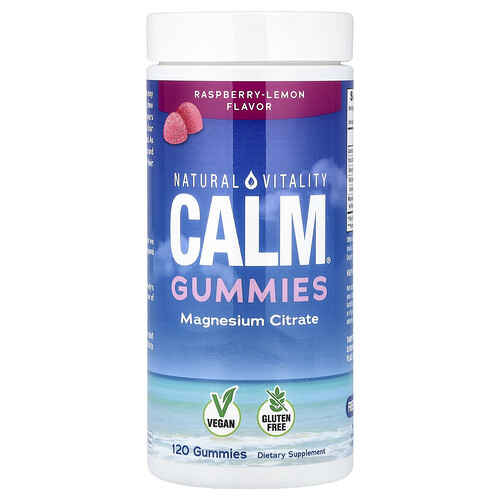
Natural Vitality CALM Magnesium Gummies, Raspberry-Lemon, 120 gummies (83 mg per gummy)
For systems suffering from pill fatigue where compliance is the primary point of failure.
Pros
- Bypasses the psychological friction of swallowing pills.
- Low per-unit dose allows for highly modular intake.
- Pre-measured units require zero prep time.
Cons: Introduces unnecessary sugars and binders into the system. · Low elemental yield requires consuming multiple units.
What to watch: The sugar content and gummy matrix can stick to dental hardware; ensure proper oral hygiene protocols post-deployment.

Protocol for Life Balance
Protocol for Life Balance Magnesium Citrate, 100 tablets (200 mg per tablet)
For users needing a high-density, structural payload in a single, cost-effective unit.
Pros
- High elemental payload per single tablet.
- Dense structural format ensures long shelf stability.
- Highly cost-efficient for long-term maintenance protocols.
Cons: Hard tablets have the slowest mechanical breakdown time. · Large physical footprint can cause swallowing bottlenecks.
What to watch: Tablets require optimal stomach acid for breakdown; users with compromised digestion may pass the unit unabsorbed.

For individuals who require the smooth transit of a liquid-filled capsule to bypass esophageal friction.
Pros
- Softgel matrix glides through the upper GI tract easily.
- Hermetically sealed to prevent compound oxidation.
- Complex blend targets multiple absorption pathways.
Cons: Complex blends obscure the exact ratio of magnesium types. · Gelatin casing may violate specific dietary protocols.
What to watch: The 500 mg payload is massive; deploying this without a gradual ramp-up will likely overwhelm intestinal transport proteins.

Kirkman Labs
Kirkman Labs Chewable Vitamin B6 with Magnesium, Natural Tropical Fruit Punch, 120 tablets
For pediatric or sensitive systems requiring logistical co-factors to force magnesium into the cells.
Pros
- B6 acts as a biochemical wrench, driving magnesium intracellularly.
- Chewable format breaks down the payload before it hits the stomach.
- Engineered specifically for sensitive physiological systems.
Cons: Requires mechanical chewing, leaving a chalky residue. · Lower primary magnesium yield compared to dedicated supplements.
What to watch: Vitamin B6 toxicity is a real operational hazard; do not stack this with other heavy B-complex supplements.
| Product | Price | Rating | Best for |
|---|---|---|---|
| BioEmblem Magnesium Glycinate with Zinc Picolinate, 90 vegetarian capsules | €25.24 | ★ 4.7/5 · 43 reviews | For users requiring a highly bioavailable, capsule-based payload that targets neurological calm without digestive disruption. |
| NaturesPlus KalmAssure Magnesium Powder, Refreshing Pink Lemonade, 408 g | €26.04 | ★ 4.7/5 · 574 reviews | For individuals who need scalable, fast-acting dosing to bypass the mechanical breakdown phase of hard pills. |
| Natural Vitality CALM Magnesium Gummies, Raspberry-Lemon, 120 gummies (83 mg per gummy) | €27.23 | ★ 4.7/5 · 2,491 reviews | For systems suffering from pill fatigue where compliance is the primary point of failure. |
| Protocol for Life Balance Magnesium Citrate, 100 tablets (200 mg per tablet) | €18.15 | ★ 4.8/5 · 527 reviews | For users needing a high-density, structural payload in a single, cost-effective unit. |
| Nobi Nutrition Magnesium Complex, 500 mg, 60 softgels | €14.50 | ★ 4.7/5 · 65 reviews | For individuals who require the smooth transit of a liquid-filled capsule to bypass esophageal friction. |
| Kirkman Labs Chewable Vitamin B6 with Magnesium, Natural Tropical Fruit Punch, 120 tablets | €30.58 | ★ 4.9/5 · 123 reviews | For pediatric or sensitive systems requiring logistical co-factors to force magnesium into the cells. |
The market is flooded with poorly engineered compounds that fail to cross the intestinal barrier. If the active ingredient doesn't reach the target tissue, you are just funding expensive waste management. The objective here is simple: identify the exact delivery mechanisms—capsules, powders, gummies, and tablets—that bypass digestive bottlenecks and stabilize neurological function.
Why does the structural form of magnesium matter for sleep?
The structural form dictates the payload delivery speed and the gastrointestinal collateral damage. If you choose a poorly chelated form or an inefficient delivery vehicle, the magnesium pulls water into the colon instead of crossing into the bloodstream, causing laxative effects rather than neurological sedation.
We are looking at a strict triage protocol based on dose form. Powders offer rapid dissolution and bypass the breakdown phase required by hard tablets. Capsules protect the compound through the stomach acid, deploying the payload in the upper intestine. Gummies and chewables sacrifice some payload space for binding agents but offer compliance for systems (patients) that reject pills. You must match the delivery mechanism to your specific gastrointestinal tolerance and operational needs.
How do you triage a broken sleep cycle with supplements?
You triage a broken sleep cycle by first identifying whether the failure is in sleep onset or sleep maintenance, and then deploying the correct magnesium payload. Magnesium is a baseline structural requirement, not a pharmaceutical sedative; it repairs the biological hardware so the software can power down.
Identify the bottleneck: Are you failing to fall asleep, or waking up at 3 AM? Powders hit the system faster for onset issues. Check the compound: Glycinate is bound to an amino acid that acts as an inhibitory neurotransmitter. It is the heavy machinery for sleep repair. Citrate is functional but carries a higher risk of digestive disruption. Monitor the feedback loop: A supplement is not a medical cure. If your sleep architecture remains fractured after a two-week deployment, you need to escalate the issue to a medical professional. Supplements cannot override severe clinical pathology.
What are the supply chain bottlenecks of oral magnesium?
The primary bottleneck of oral magnesium is the intestinal absorption limit, which caps how much elemental magnesium can enter the bloodstream at one time. Flooding the system with a massive single dose overwhelms the transport proteins, resulting in immediate excretion.
To bypass this, you have to engineer your dosing schedule. Split the payload: Divide the total daily requirement into smaller, manageable deployments across the evening. Account for co-factors: Vitamins like B6 act as logistical support, actively pulling magnesium into the cells where it is needed. Avoid interference: Calcium and magnesium compete for the same absorption pathways. Do not deploy them simultaneously if your primary objective is neurological sedation.
Verdict: Which is the best magnesium for sleep?
For immediate structural repair of sleep architecture, the BioEmblem Magnesium Glycinate capsules represent the most efficient, low-risk deployment. The glycinate payload bypasses the standard gastrointestinal bottlenecks, ensuring the compound reaches the nervous system without triggering laxative failures. If pill fatigue is compromising your compliance, pivot to the NaturesPlus KalmAssure powder for rapid, scalable dosing.
This article is not medical advice. Food supplements replace neither a balanced diet nor treatment — if you have symptoms, your doctor decides.
Ad · affiliate links · If you buy through these links, we earn a commission.