How Frontline Health Workers Bridge the Gap in India’s Polio Eradication Efforts
The Guardian reports on women travelling into India’s most remote communities to protect children against polio, a reminder that immunisation depends not only on vaccines but also on the people who…
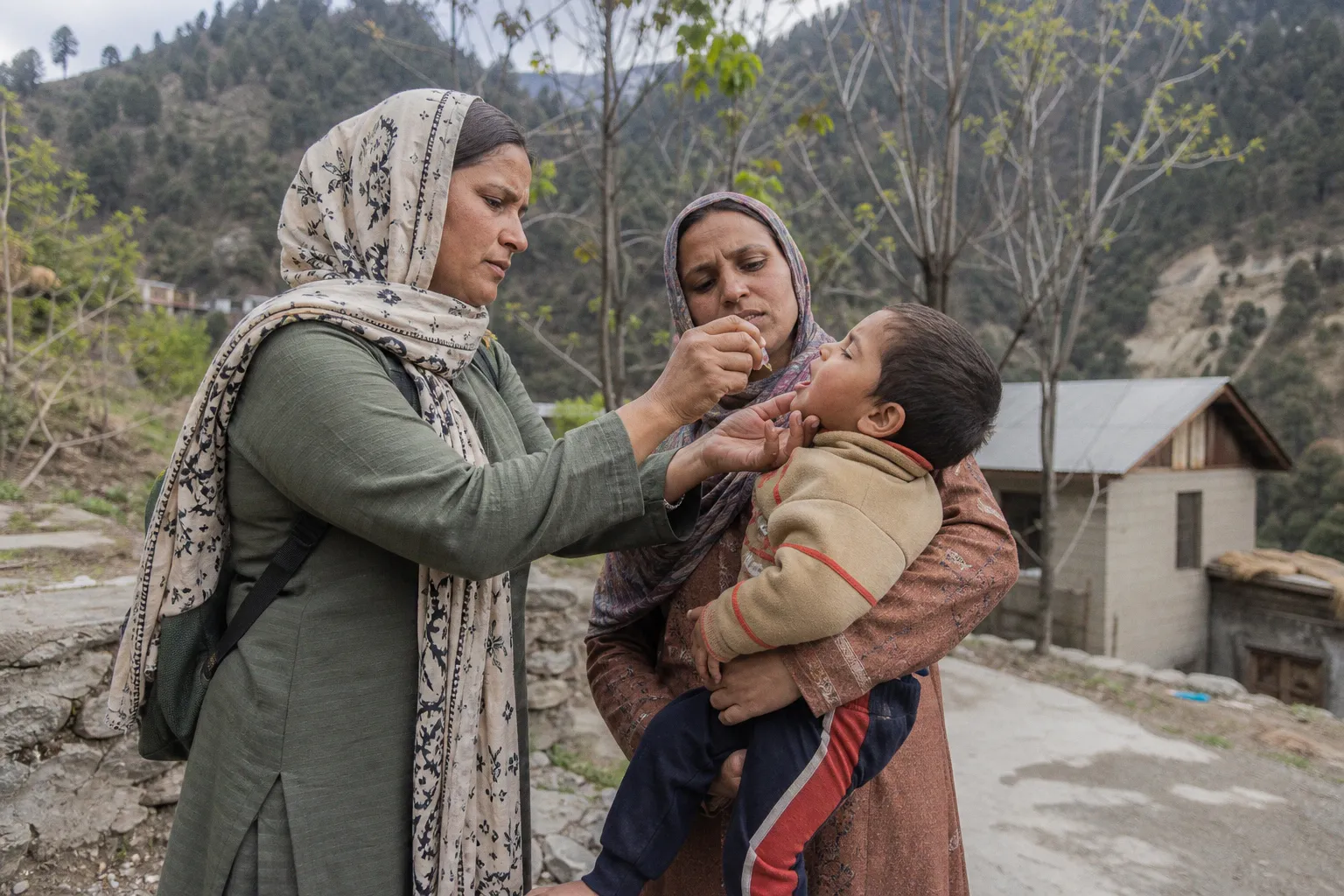
The Guardian reports on women travelling into India’s most remote communities to protect children against polio, a reminder that immunisation depends not only on vaccines but also on the people who can reach families beyond the usual care pathway. The story is especially relevant for district-level health planning: a programme may exist nationally, yet access still depends on whether frontline workers can connect with children in difficult-to-reach settlements. For families, the practical question is simple but important—how can they confirm when and where vaccination is available?
The last mile is part of the intervention
Polio prevention is often discussed through national campaigns, coverage figures and eradication milestones. The Guardian’s report brings the focus back to the patient: the child who may live far from a paved road, a permanent clinic or a predictable health-service schedule.
That perspective matters across India. In community practice, we see how distance can quietly become a clinical risk. Families may be willing to vaccinate but still miss an opportunity because they are moving seasonally, live in difficult terrain, lack timely information or cannot reach a facility on the day services are offered. A vaccination team that travels to the community is therefore not an optional extra; it is part of making the programme usable for the people it is intended to protect.
The report specifically highlights women health workers involved in reaching India’s remotest populations. Their work also illustrates a wider truth about public health: trust and continuity are built by people who know how to speak with families, answer concerns and return to communities that formal services can easily overlook.
What families and local teams should check
The available report does not provide a district-by-district schedule or details of individual campaign arrangements, so families should confirm the local plan rather than rely on assumptions. A practical conversation with an accredited frontline worker, sub-centre or primary health facility should establish:
- whether a polio vaccination activity is planned for the child’s area;
- where families should go if the team does not reach their settlement;
- how the child’s vaccination record will be checked and updated;
- what to do if the family is travelling or living temporarily outside its usual district.
Parents and caregivers should keep any immunisation card or other child-health record available during contact with health workers. If a record is missing or incomplete, the safest next step is to ask the local health team how the child’s status should be verified, rather than making a decision based on memory alone.
For health workers, the lesson is equally concrete: outreach plans need to reflect how communities actually live. Mapping remote households, coordinating with local workers and communicating dates in advance can be as important to the care pathway as the clinical act itself.
Why this story belongs in maternal and child health
Polio vaccination is a child-health intervention, but it sits within the same district systems that families rely on throughout pregnancy, birth and early childhood. When outreach is strong, one point of contact can help connect households with broader services. When remote communities remain outside the practical reach of the system, several opportunities for preventive care may be missed.
A headline cannot tell us how every district is performing, and the available evidence does not support wider conclusions about coverage or barriers. What it does show is the importance of looking beyond the facility. For families, the route forward is to ask local health workers about the next vaccination opportunity and keep the child’s records accessible. For programme managers, the question is whether the care pathway reaches the last household—not only the nearest clinic.