How Hexavalent Vaccines Could Transform India's Childhood Immunisation Schedule
According to The Hindu, the study suggests that adding the hexavalent vaccine to the existing programme could streamline childhood immunisation and reduce the number of injections an infant receives…
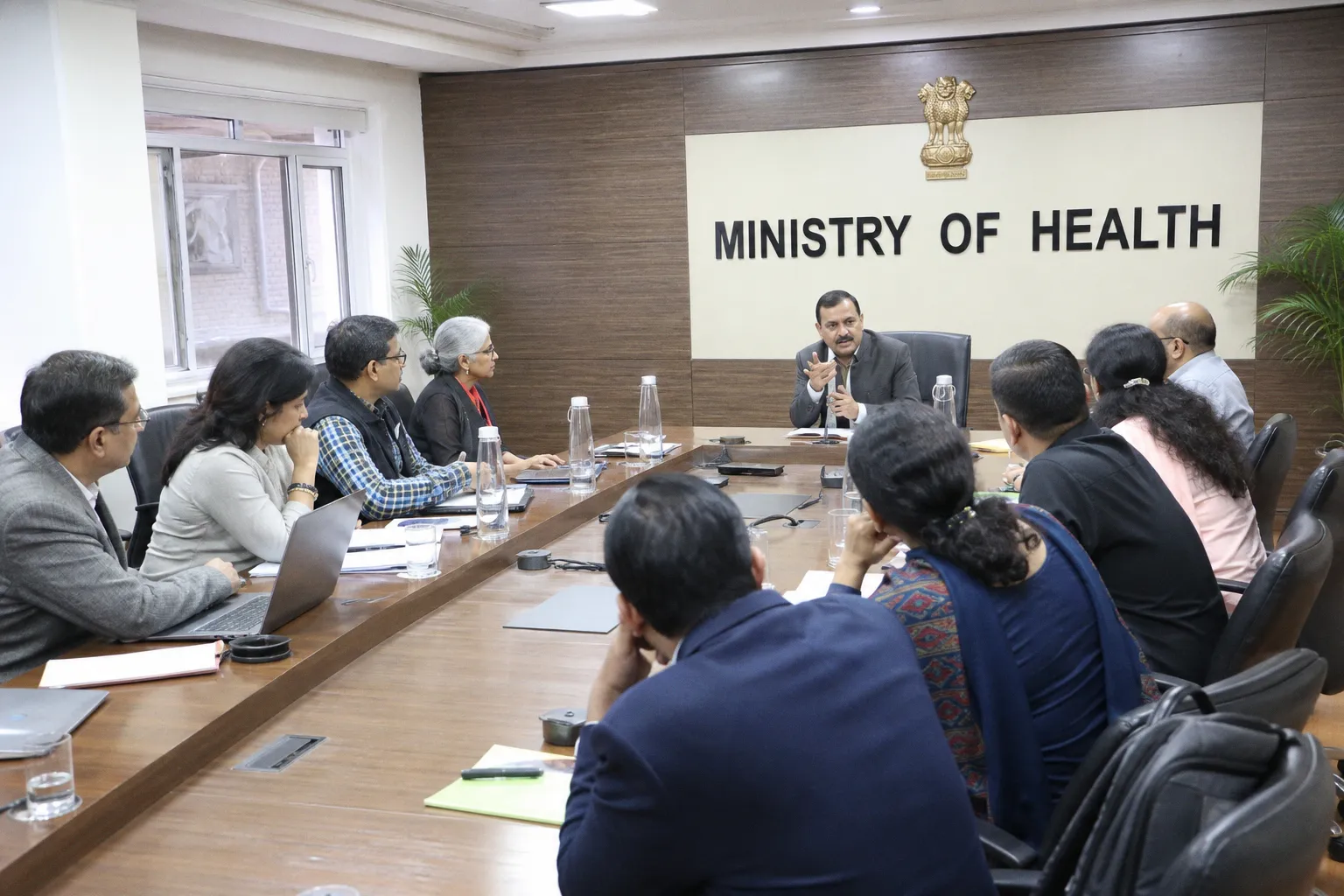
On my busiest clinic days, I've watched exhausted mothers line up with infants strapped to their chests, waiting through a tangle of appointments and injections that wear them down before the baby has even learned to crawl. So when I read that the Union Health Ministry has been leading a study on whether India should fold a hexavalent — a six-in-one — vaccine into the Universal Immunisation Programme, my first thought was less about the science and more about those women in the queue. Fewer injections in those first fragile months could mean the difference between a family that completes the schedule and one that quietly drops off after the second or third visit.
What the study is actually pointing at
According to The Hindu, the study suggests that adding the hexavalent vaccine to the existing programme could streamline childhood immunisation and reduce the number of injections an infant receives during the first year. The pitch is efficiency: consolidate protection against several diseases into a single shot, and the system carries less logistical weight, the cold chain handles fewer vials, and the family spends less time in transit. In a country where our immunisation schedule already asks parents to return again and again — sometimes across districts, sometimes by foot — that compression matters on the ground, not just on paper.
Why this matters for the bedside view
What I keep returning to is the human texture of adherence. A mother who has walked two hours to an Anganwadi, queued with a feverish toddler, and been told she must come back next week for one more needle is a mother who starts weighing whether the next visit is worth it. A six-in-one product doesn't remove every barrier — cost, cold-chain integrity at the last mile, parental consent, staff training — but it pulls one heavy thread out of the load. It also frees up the health worker's hands and attention for counselling, for the growth chart, for the questions a new mother is too shy to ask out loud.
What to keep watching
The study is just the opening move. Before this becomes policy on the ground, clinicians and programme officers will want clarity on how a hexavalent introduction sits alongside existing antigens, how catch-up schedules are reshaped, and how states with the weakest coverage — often the same ones where every extra visit costs a family a day's wages — are prioritised. For now, it's a hopeful signal from the Ministry, and one worth keeping on the radar as the conversation moves from paper to primary health centres.