How India Can Scale Proven Breastfeeding Support at the District Level
As the World Health Organization urged ahead of World Breastfeeding Week 2026 (August 1–7), the bottleneck in breastfeeding support is no longer a knowledge problem — it's a logistics and funding…
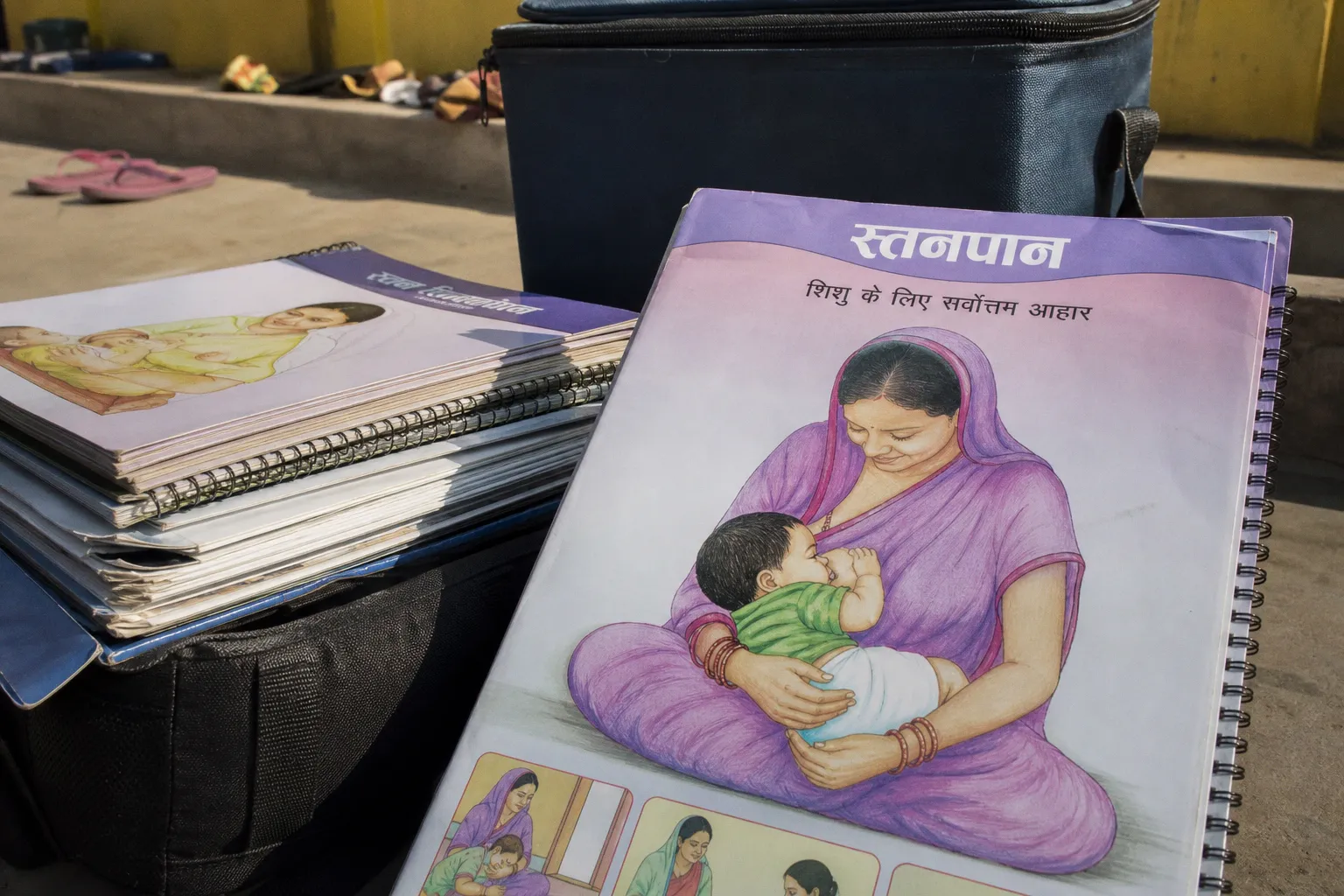
As the World Health Organization urged ahead of World Breastfeeding Week 2026 (August 1–7), the bottleneck in breastfeeding support is no longer a knowledge problem — it's a logistics and funding problem, and district health systems across India sit squarely in the middle of it. WHO's message, tied to this year's theme "Breastfeeding for a Sustainable Start in Life: Strengthen What Works," is blunt: the evidence exists, the interventions are mapped, and what is missing is the operational throughput to get trained counsellors, baby-friendly facility standards, and community-level support actually running at scale — not as pilots, but as routine service.
The gap between evidence and infrastructure
WHO's core diagnosis is structural, not clinical. The interventions — skilled breastfeeding counselling, Baby-friendly hospital accreditation, healthcare worker training, and community support for mothers — are well documented. What is failing is the supply chain that delivers them: too few trained counsellors per facility, inconsistent accreditation enforcement, and postnatal support that effectively ends the moment a mother walks out the clinic door. WHO framed the challenge directly — identifying effective interventions is no longer the problem; investing in them at scale is. For a country running District Level Household Surveys that consistently surface early-initiation and exclusive-breastfeeding shortfalls, that framing cuts straight to the operational core. The DLHS instrument already exists to measure whether the gap closes or persists. What it cannot measure is whether political and budgetary will matches the scale of the problem.
What needs to scale — and what to watch on the ground
The ask from WHO is layered, and each layer maps to a concrete system fix:
- Expand access to skilled breastfeeding counselling — actual personnel on payroll at PHC and CHC level, not weekend workshops that produce certificates no one follows up on.
- Train more healthcare workers with refresher cycles built into supervisory routines, not one-off orientations that fade after the funding cycle ends.
- Strengthen Baby-friendly hospitals so accreditation translates into ward-level practice — feeding policy, rooming-in, and lactation support that staff have time to deliver.
- Invest in maternity care capacity and workplace breastfeeding policies so mothers returning to work are not pushed into early weaning by default.
WHO also called on governments, healthcare providers, employers, communities, and families to act together — a reminder that no single node in the system can fix this alone.
The signals worth tracking
For anyone running a district health programme or a clinic-level quality audit, three signals will tell you whether this WHO push actually translates into movement on the ground:
- Whether state health budgets reallocate toward postnatal counselling staffing — not training budgets, but sanctioned posts.
- Whether Baby-friendly hospital audits move from paper compliance to bedside observation, with corrective loops that close.
- Whether district-level DLHS indicators on early initiation and exclusive breastfeeding shift in the next survey cycle.
If those signals do not move, the WHO appeal risks becoming another awareness cycle with no throughput gain — and the next DLHS round will say so plainly.