How Migration Disrupts Childhood Immunization Access in India
A new cross-sectional study out of MDPI Vaccines puts a number on a failure that frontline health workers in India have been flagging for years: children of mothers who migrated within the last three…
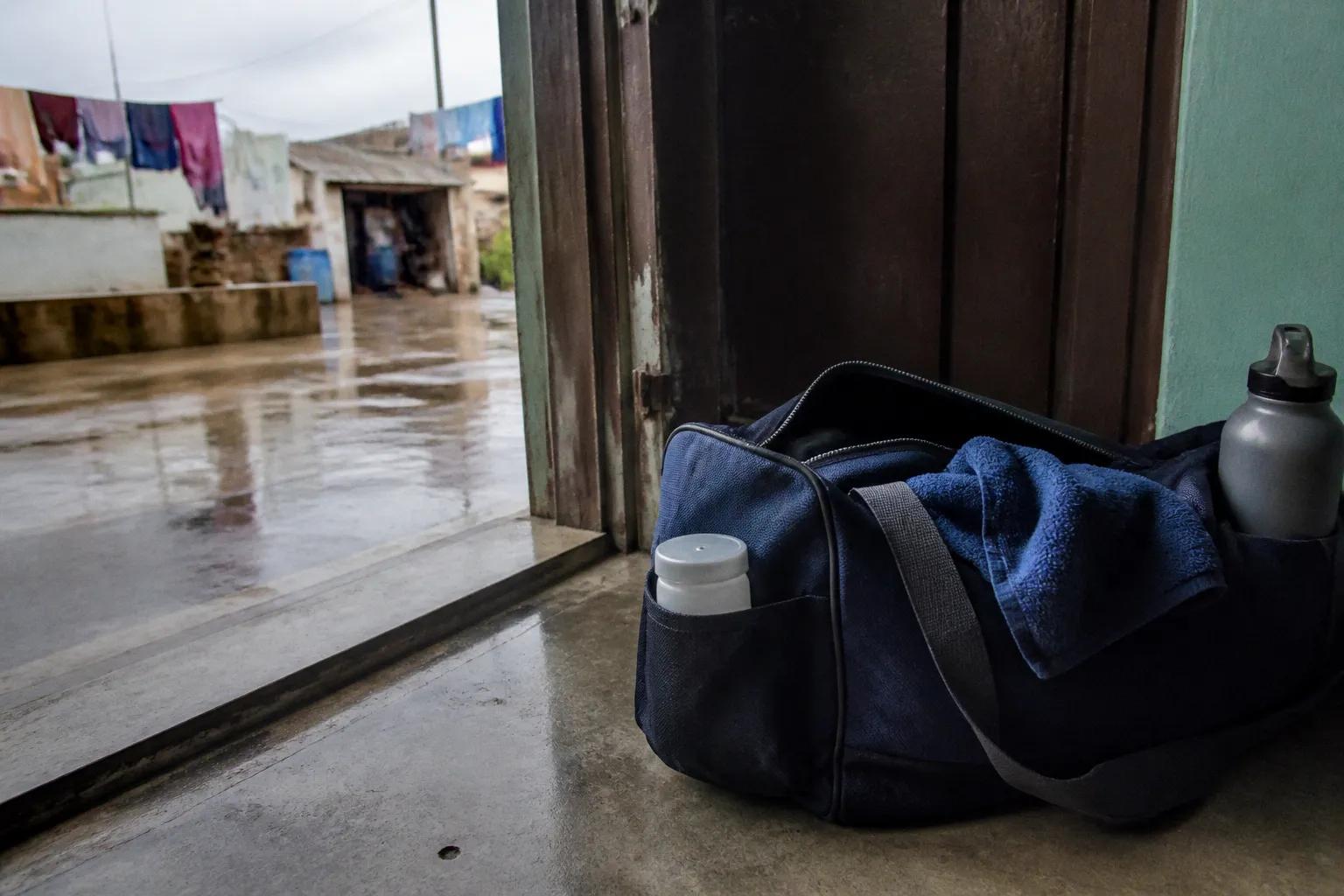
A new cross-sectional study out of MDPI Vaccines puts a number on a failure that frontline health workers in India have been flagging for years: children of mothers who migrated within the last three years are significantly less likely to be fully immunized. The research, built on NFHS-5 data, identifies a 17 percentage-point gap in full immunization coverage between children of migrant and non-migrant mothers — a gap that translates into hundreds of thousands of children slipping through the routine immunization net every year.
The Bottleneck, Mapped
The mechanism is not mysterious. When a family relocates — for work, for marriage, for survival — the child exits one anganwadi catchment and enters another. Vaccination cards get lost. Due dates get missed. The mother, often the sole point of household contact with the health system, is stretched thin: new address, new ASHA worker, new facility, no portable record. The study's finding that recent migration (under three years) is the strongest predictor tells you everything about the timeline of that disruption. The system does not fail at birth. It fails at handover.
This is a logistics problem dressed up as a behavioral one. Migrant mothers are not refusing vaccines. They are navigating a fragmented supply chain that does not recognize them as customers.
What the Data Demands
The 17-point gap is not a counseling deficit. It is a registry deficit. Until migrant families have portable, transferable immunization records — and until sub-centers are funded to actively track incoming children rather than passively wait for them to walk in — the gap will persist. Three structural fixes worth pushing for at the district level:
- Digitize and link. A unified child immunization registry accessible across states, keyed to the mother, not the address. The mother's phone number, not the PHC pin code, should be the anchor.
- Active inbound tracking. When a new family registers at an anganwadi, an automatic 30-day trigger should pull the child's vaccine history and schedule any missed doses.
- Mobile outreach in migrant corridors. Construction sites, brick kilns, brick-and-tile clusters, and seasonal farm labor settlements need their own outreach calendar — not a one-off camp, but a recurring schedule synced to the due-date list.
Why This Matters Now
India's immunization infrastructure was built for a static population. NFHS-5 has now quantified exactly how much that assumption is costing. The good news: the fix is not new technology or new funding lines. It is a redesign of the handoff. The bad news: without pressure at the district and state level, the same fragmented system will keep producing the same 17-point gap in NFHS-6.