Beyond Access: Why Quality of Care is the New Frontier for Maternal Health in India
The WHO Regional Office for Africa reports that in Kenya, poor-quality healthcare now kills more women and newborns than a lack of access to services.
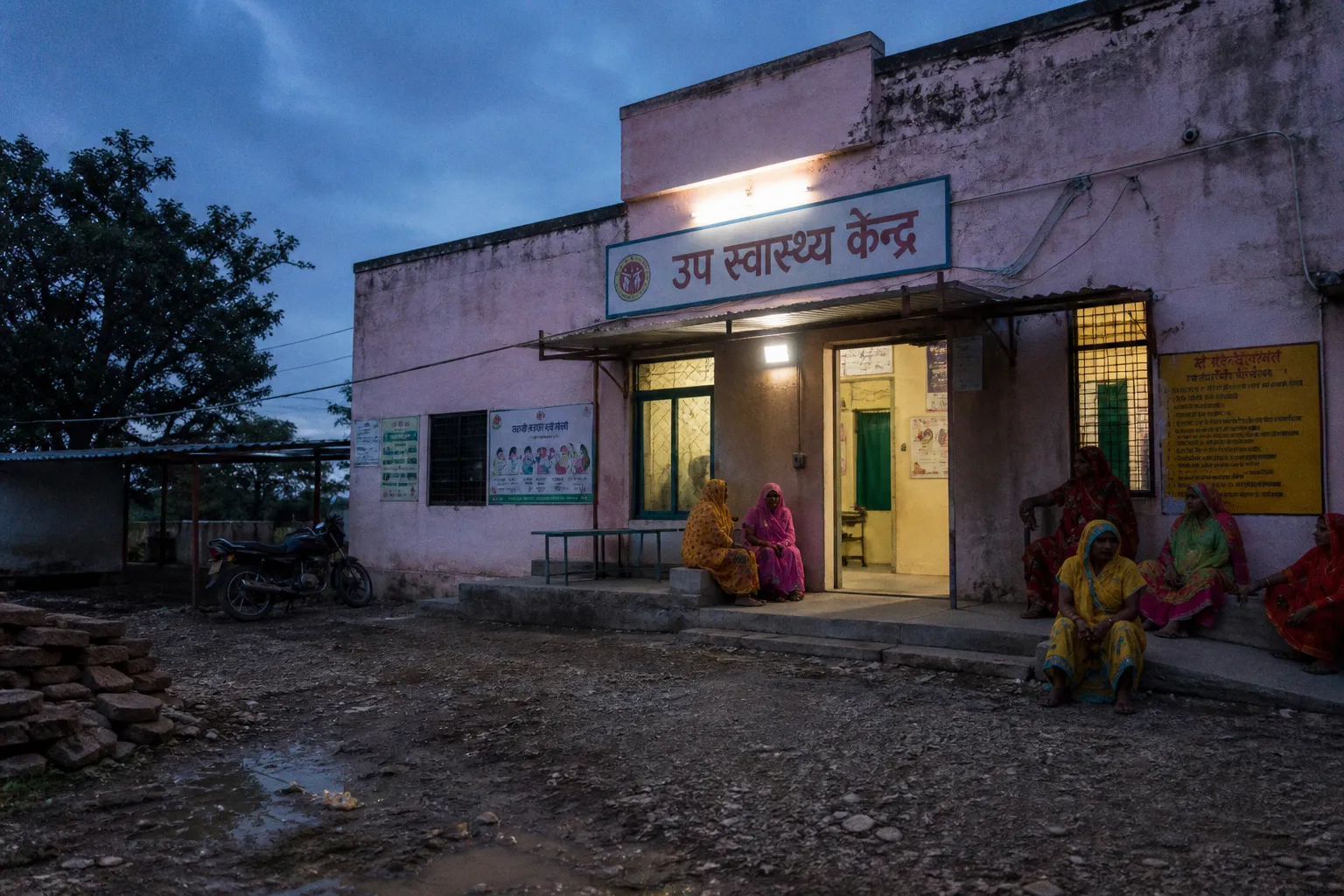
For India's district-level Reproductive and Child Health (RCH) infrastructure, that finding is not a foreign headline — it is a mirror held up to the same systemic failure modes already bleeding through our facilities. The bottleneck has moved from the road to the labour room.
The diagnosis nobody wants to print
For two decades, the dominant narrative in maternal health blamed distance, transport, and population coverage for maternal mortality. The Kenya finding inverts that frame: the facility exists, the road reaches it, the patient arrives — and the system still kills. Poor-quality care now outweighs access gaps as a driver of deaths. This is a structural indictment, not a capacity story.
The WHO report names the failure bluntly: clinical standards and safety gaps inside health facilities. Translated into district-level operations, that means labour rooms running on broken triage protocols, emergency obstetric kits running on empty shelves, and referral chains that function on paper but collapse across night shifts and weekend rotations. India's CHCs, PHCs, and sub-centres carry the same load-bearing cracks. What Kenya's data does is make the failure mode quantifiable — and therefore fixable.
The supply chain is the surgery
If quality is the killer, the prescription is operational, not aspirational.
- Protocol enforcement, not protocol printing. Labour room checklists must function as live tools — checked, signed, audited weekly — not laminated posters that collect dust above the delivery table.
- Emergency drug supply integrity. Oxytocin, magnesium sulfate, and antibiotics need temperature-monitored cold chains, validated stock registers at district stores, and last-mile delivery that does not evaporate into the grey market.
- Supervision loops, not inspection counts. A district hospital mentor must physically mentor — scrubbing case sheets, reviewing Caesarean indications, debriefing near-misses — not just sign visit logs.
- Audit-and-feedback cycles that name outcomes. Stillbirth rate, neonatal asphyxia incidence, maternal death audit completion — these must surface in monthly block meetings, with corrective actions tracked and closed, not filed.
What to watch in the next quarter
The Kenya report sets a benchmark that Indian state RCH officers cannot ignore: the quality-of-care audit cycle must move beyond structural inspection (does the building exist, does the equipment sit there) into outcome-linked supervision (did the mother survive, did the baby breathe). District programme officers should expect the next round of supervisory pressure to land on three metrics — labour room functional status, emergency drug stock-out days, and completed maternal death audits — because those are exactly the failure modes the WHO data exposes.
Kenya did the autopsy. The rest of us can still do the surgery.