Haryana Mandates Integrated Mother-Newborn Care Protocols by November 1
Haryana has set a November 1 deadline for rolling out integrated mother-newborn care across its public health facilities, according to a recent report in The Times of India.
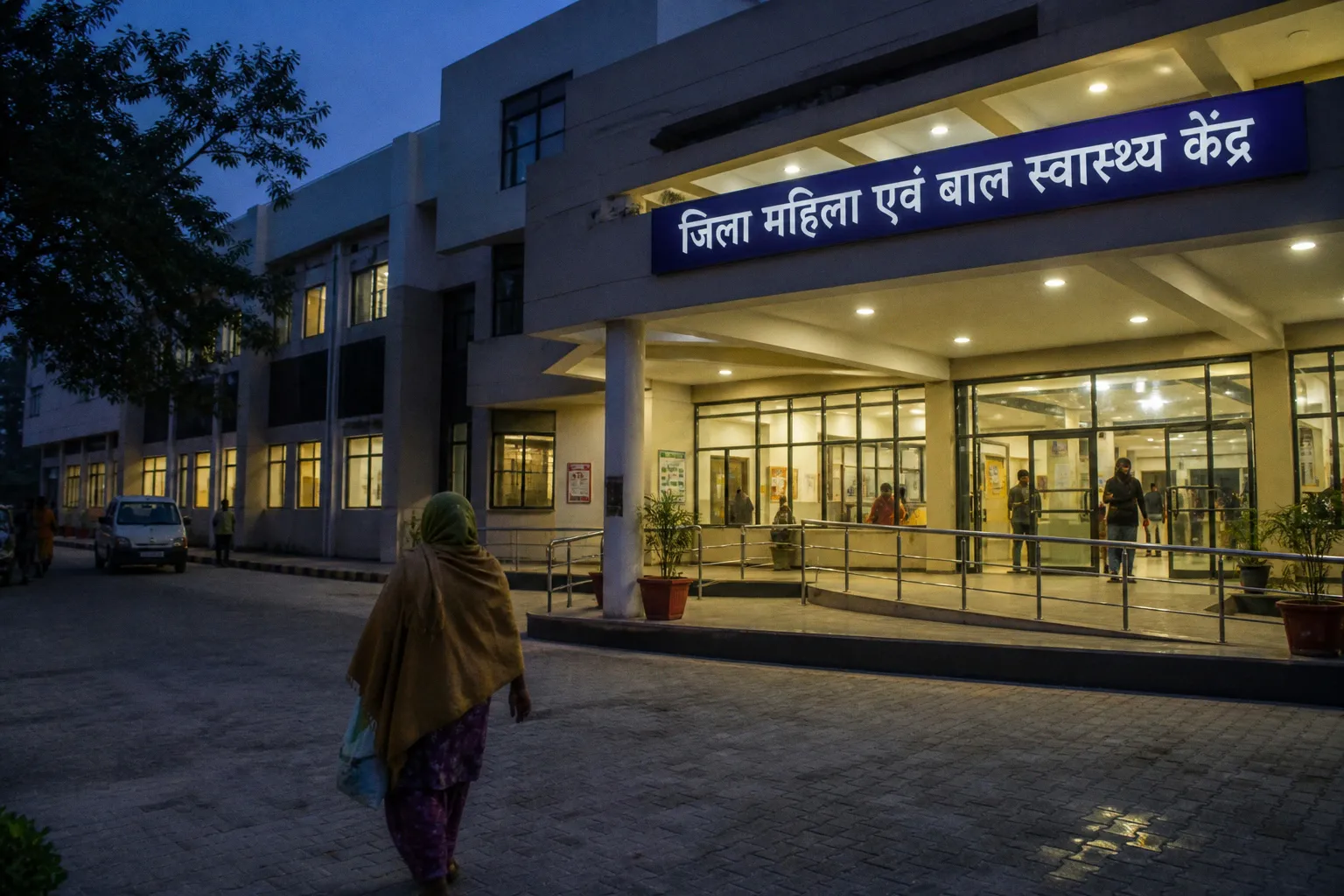
For those of us working in maternity wards and community clinics across India, this is the kind of policy signal that can reshape a patient's experience from the moment labour begins through the first critical weeks at home.
What "integrated" actually changes at the bedside
In my own shifts, the gap I see most often is not clinical skill — it is the handoff. A mother is monitored through delivery, the newborn is stabilised, and then the two are essentially managed as separate cases by separate teams, with separate records, separate discharge counselling, and sometimes separate follow-up dates. An integrated pathway, the kind Haryana appears to be mandating, asks the system to treat the dyad as a single unit: skin-to-skin initiation in the same room, joint monitoring of vital signs, a unified discharge checklist that screens the mother for postpartum haemorrhage warning signs while simultaneously screening the baby for feeding adequacy and jaundice. When that is done well, outcomes on both sides tend to improve — and when it is done poorly, we see the kind of fragmentation that leaves new mothers unsure who to call at 3 a.m.
Why this matters for the patient journey
For a pregnant woman in a Haryana district hospital, the November 1 target is not an abstract administrative milestone. It changes what she can reasonably expect to be asked before she goes home: whether her bleeding is being tracked alongside the baby's weight, whether her lactation support is timed with the newborn's latch assessment, whether her family planning options are discussed in the same conversation as the baby's immunisation schedule. From a counselling standpoint, that is enormous. Too often, the mother's own recovery is the part that falls off the checklist once the baby is declared stable. Integrated care, in the form Haryana is moving towards, makes that much harder to do.
What to watch as the date approaches
The November 1 target is the headline, but implementation is where maternal health policy either takes root or quietly evaporates. Practitioners and district health officers should look closely at whether facilities receive updated standard treatment protocols, whether nursing in-service training covers the joint assessment workflow, and whether referral linkages between SNCUs and postpartum wards are formally documented rather than left to individual initiative. Families, for their part, can ask their facility a simple question at the next antenatal visit: will my care and my baby's care be reviewed together? The answer, in a few weeks, will tell us whether this mandate has truly landed.
External reference for readers navigating maternal health services across Haryana can be found in the district-level maternal care directory.