Systemic Barriers to Reproductive and Perinatal Care for Autistic Individuals
review published in the Health and Human Rights Journal — "Autonomy, Disability, and Reproductive Justice" — names a gap I have been seeing at the bedside for years: autistic people are quietly…
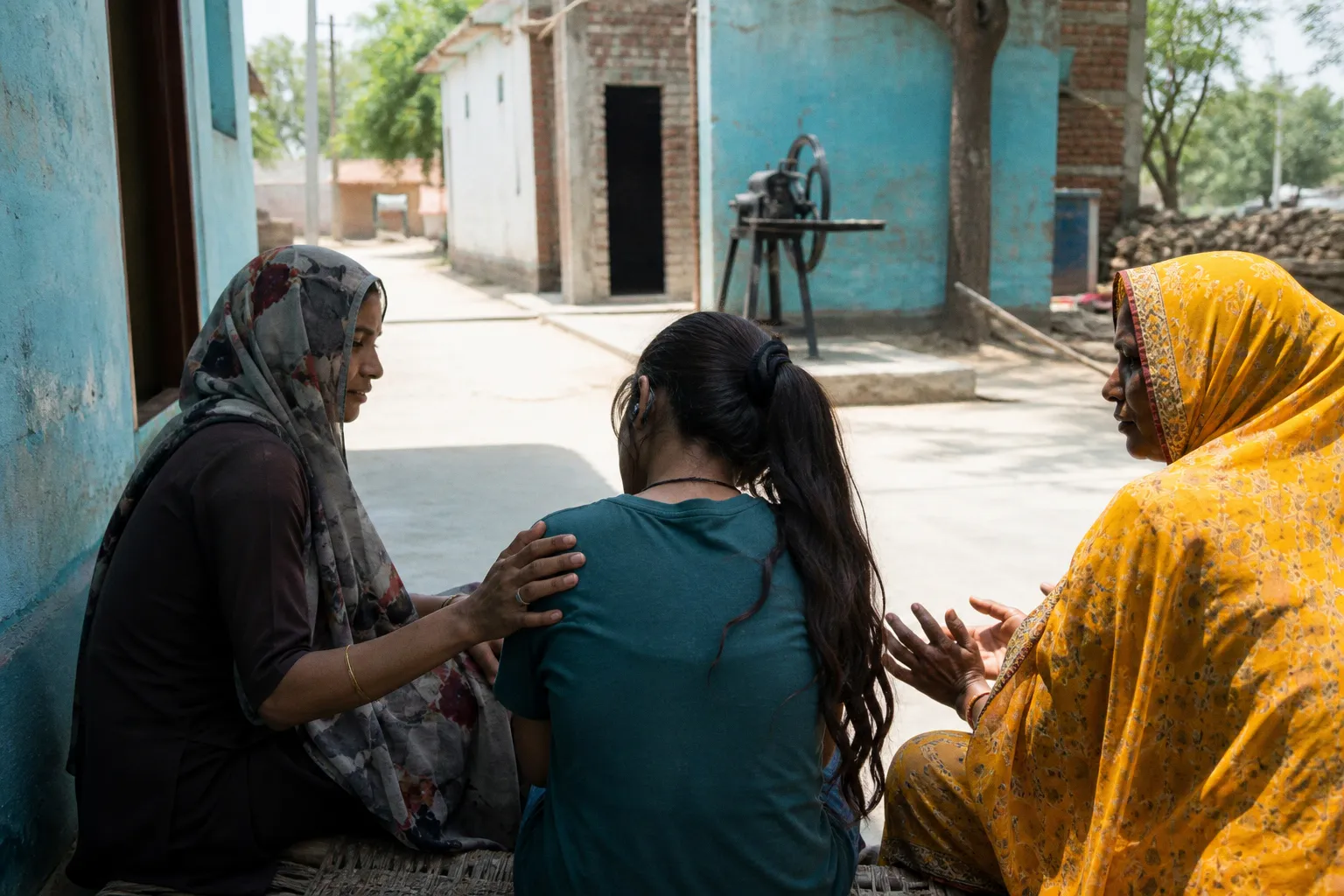
review published in the Health and Human Rights Journal — "Autonomy, Disability, and Reproductive Justice" — names a gap I have been seeing at the bedside for years: autistic people are quietly pushed out of reproductive and perinatal care by systems built around neurotypical norms. It is a finding our clinics cannot afford to keep overlooking.
What the review actually found
Following the Joanna Briggs Institute methodology and PRISMA-ScR reporting guidelines, the authors searched four databases and surfaced only seven studies that met their criteria. That scarcity alone is worth sitting with. Across those studies, the barriers named were not patient failures but structural ones: inaccessible communication practices, sensory-hostile clinical environments, fear of stigma around disclosing autism, a lack of reasonable adjustments, and inflexible service models. These translated, in the included studies, into distress, reduced participation in decision-making, diminished trust in providers, and, in some cases, avoidance of care altogether. Just one of the seven studies looked directly at abortion access for autistic people — a gap the authors flag as substantial given how central abortion is to reproductive rights and justice.
Why this matters on our wards
For clinicians working in district hospitals, medical college OPDs, and community health programmes, the review offers a framing I have found true again and again: these are systemic failures, not individual ones. A crowded antenatal OPD, a written-only consent process, a rigid appointment slot, and assumptions about how a patient "should" describe pain can each quietly push an autistic pregnant person out of the care continuum. When the room changes — quieter waiting area, longer appointment, visual supports, explicit consent checking — engagement tends to change with it. The Convention on the Rights of Persons with Disabilities, which the authors invoke, frames access to sexual and reproductive health care as integral to the right to health; for us, that principle translates into concrete adjustments at the clinic door, not one-off favours extended at the receptionist's discretion.
What to take back to your team
Three things worth carrying into Monday morning. First, audit your intake and consent processes for sensory and communication assumptions — written forms, fast-paced verbal triage, and group counselling formats all exclude in predictable ways. Second, build reasonable adjustments into standing practice, documented and visible to the whole team, rather than leaving them to individual goodwill. Third, notice the evidence gap the authors highlight and treat it as a research invitation, particularly around pregnancy loss care, abortion access, and perinatal support for autistic people in low- and middle-income country settings.
A complementary thread running through the global SRH literature right now reinforces the same underlying message. A BMJ Global Health analysis modelled pleasure-based sexual and reproductive health programmes for 15–24-year-olds across 99 low- and middle-income countries and projected an estimated incremental cost of $1.6 billion over ten years, with projected benefits including 4.3 million pregnancies averted and a return of roughly $23 for every $1 spent. For us, the takeaway sits alongside the review: reproductive justice is not only about who can reach a clinic. It is about who is met with care that fits them once they get there.